TRT in Toronto at $66/mo
How ready are you to start treatment? *
Why Beyoung Health?

Free Lab
Requisition

Average
Google Rating

Fast Online Assessment

Licensed Medical Practitioners
Free Lab
Requisition
Average
Google Rating
Fast Online Assessment
Licensed Medical Practitioners

Most men notice the shift gradually. Strength plateaus despite consistent training. Mornings feel heavier. Motivation that once came easily now requires negotiation with yourself. Often the issue isn’t discipline or age alone; it’s hormonal, and it shows up in lab work before it shows up in the mirror.
Beyoung Health runs TRT Toronto therapy built around diagnostics, not assumptions. Our testosterone replacement therapy Toronto program begins with full blood work and a clinical review, then matches each patient to a protocol that fits their physiology, goals, and medical history.
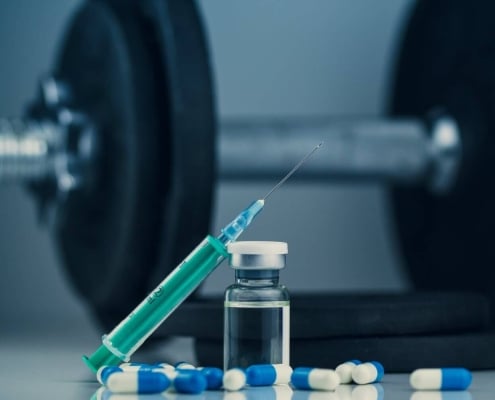
Replacement testosterone therapy is a physician-prescribed hormonal treatment for men whose natural production has dropped below a clinically healthy threshold. At our TRT clinic Toronto patients are evaluated on symptoms and biomarkers together because low numbers alone don’t always warrant treatment and normal numbers don’t always rule it out. Depending on those findings, a low testosterone treatment Toronto plan may involve intramuscular injections or alternative delivery routes. Outcomes vary by baseline, lifestyle, and how consistently therapy is monitored.
No waiting rooms. No commute. Just care.
Your care team, ready when you need them.
Real improvement, not just a prescription.
Low testosterone rarely announces itself. Instead, it erodes daily function slowly, and most men attribute the changes to stress or aging before considering hormones. However, recognizing the pattern early often means better outcomes. Common low testosterone symptoms men Toronto report include the following:
TRT eligibility Toronto depends on matching symptoms and lab-confirmed low testosterone. Neither alone is enough. Men applying for low testosterone treatment in Toronto typically start with blood work to measure total and free testosterone, followed by a full health review. A valid diagnosis requires a deficiency confirmed with blood work on two separate morning draws.
TRT may not be appropriate for men who:
Because testosterone deficiency in Toronto men presents differently depending on age and lifestyle, our team evaluates each case individually.

Testosterone naturally declines with age, but modern lifestyle factors often accelerate the process.
Many men experience low testosterone years earlier than expected without realizing it’s the root cause.

Low testosterone impacts far more than sex drive and often goes unnoticed.
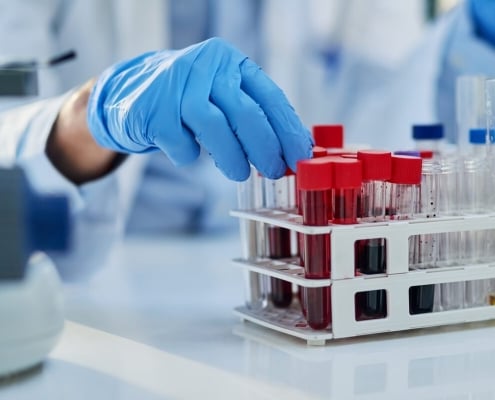
Blood testing is the only reliable way to accurately confirm low testosterone levels.

Testosterone Replacement Therapy restores hormone levels to a healthy, physiological range.
Treatment plans are personalized using labs, symptoms, and long-term health goals.

When properly supervised, TRT is considered safe for suitable candidates.
All treatment decisions are guided by ongoing clinical data to support long-term health and safety.


When testosterone production drops below a functional threshold, the effects may reach further than most men expect. Fatigue and reduced endurance often appear first. Over time, some men can experience slower muscle recovery, mood shifts, and difficulty maintaining focus during routine tasks. This pattern has a clinical name: hypogonadism.
For men seeking hypogonadism treatment Toronto, identifying these changes early can shape which testosterone deficiency treatment path a provider recommends and how quickly progress may follow.
Research suggests that low testosterone can impair both physical stamina and cognitive processing. A systematic review in the European Journal of Endocrinology found that low endogenous testosterone may be associated with reduced performance on certain cognitive tests in older men. Meanwhile, the Urology Care Foundation notes that fatigue, decreased motivation, and diminished exercise tolerance are among the most commonly reported signs.
For men considering low T treatment, these overlapping symptoms often reinforce each other, which is why a structured clinical evaluation matters before starting any protocol.
The ADAM questionnaire helps identify whether your symptoms may point toward declining testosterone. It covers common patterns like reduced energy, lower libido, mood changes, and declining physical performance.
The ADAM test for low testosterone is a screening tool. A positive result on this androgen deficiency test in Toronto signals that further evaluation may be warranted, but it cannot replace lab work. Confirming testosterone deficiency requires a blood draw, typically two separate morning samples measured by a qualified provider.
If your answers suggest a concern, our team can arrange a testosterone screening questionnaire review alongside full hormonal blood work.






When testosterone returns to a clinically healthy range, the body often responds across multiple systems at once. Still, no two patients follow the same trajectory, and outcomes depend on starting levels, overall health, and monitoring consistency.
After treatment begins, some men may notice that everyday tasks and physical activity require less effort than before.
A case study published in the Cureus Journal of Medical Science documented measurable gains in lean body mass and reductions in body fat percentage over an eight-month TRT protocol combined with exercise.
Some men may experience a gradual shift in abdominal fat storage, though the degree of change varies.
A clinical trial published in the JCEM (Pencina et al., 2024) found that TRT may improve sexual desire and erectile function in men with confirmed hypogonadism.
Concentration gaps and slower recall are frequently reported alongside low testosterone, though cognitive responses to treatment vary and require further study.
A controlled clinical study (Wang et al., J Clin Endocrinol Metab) found that testosterone replacement improved mood scores in hypogonadal men over a 60-day treatment period.
Results may vary. Individual outcomes depend on baseline hormone levels, health status, and lifestyle factors.

Comprehensive lab testing to assess your hormone levels.

*Billed quarterly
Meet with a licensed clinician to review results and build your plan.

Fast, secure prescription processing with licensed pharmacies.
Every hormonal treatment involves trade-offs, and TRT is no exception. Before prescribing, a licensed clinician evaluates your full medical profile to determine whether the expected gains outweigh the possible risks.
Older research sent mixed signals about heart risk and testosterone therapy. The TRAVERSE trial, which followed over 5,000 hypogonadal men, found no significant rise in major cardiac events compared to placebo. Even so, periodic cardiovascular check-ins remain part of any responsible protocol.
Testosterone may accelerate prostate cell activity. Routine PSA checks and physical exams allow providers to catch shifts early and adjust the plan accordingly.
Men with a history of obstructive sleep apnea should flag this before starting therapy, because TRT can intensify nighttime breathing disruptions in susceptible individuals.
Elevated hematocrit is one of the more common lab findings during TRT. Scheduled blood draws track this marker so providers can intervene before clot risk climbs.
Incorrect dosing may lead to fluid retention or breast tissue tenderness. Consistent lab follow-up and careful titration keep these effects manageable for most patients.
Risks are assessed individually by a licensed clinician before starting treatment.


When testosterone reaches a stable, clinically appropriate range, changes tend to surface gradually across several areas of daily life. However, the pace and degree of improvement depend on baseline health, treatment consistency, and individual physiology.
Some men report that routine physical tasks and exercise recovery feel noticeably easier within the first months of testosterone therapy. Results vary by fitness level and overall health.
Testosterone therapy results in some men include sharper focus and improved recall, though cognitive responses differ from patient to patient.
As hormone levels stabilize, some men notice improved confidence and more consistent mood. These shifts may also support personal relationships, though individual experiences vary considerably.
Taken together, these incremental changes can contribute to a broader sense of capability and engagement in daily routines, work, and personal connections.
Individual results may vary based on baseline health and treatment adherence.
Selecting a TRT Toronto provider is a medical decision, not a consumer one. At Beyoung Health, every protocol operates under the medical supervision of licensed healthcare providers who specialize in hormone optimization.
No two patients share the same hormonal profile. Our testosterone replacement therapy Toronto team designs each plan around your lab results, symptom pattern, health history, and treatment goals.
Before therapy begins, we run a full panel: total and free testosterone, hematocrit, PSA, metabolic markers, and thyroid function. Follow-up labs are scheduled at regular intervals so your provider can adjust dosing based on real data, not guesswork.
Our clinicians stay current with published guidelines from the Endocrine Society and peer-reviewed trial data. Treatment decisions at our hormone optimization clinic in Toronto reflect what the research supports, not trends.
We walk you through the reasoning behind every prescription, lab order, and dosage adjustment. Informed patients tend to stay consistent with their protocols, which can improve long-term outcomes.
Choosing Beyoung Health, the best TRT clinic Toronto, means choosing a team that prioritizes diagnostic accuracy, ongoing oversight, and honest communication about what testosterone therapy in Toronto, ON, can and cannot do for your health.


















































What does TRT do to your body?
TRT works to bring testosterone back into a healthy physiological range. For men with confirmed deficiency, this may translate into gradual shifts in energy, body composition, libido, and mental focus. The degree of change varies widely. Your provider will set expectations based on your blood work and health profile before treatment starts.
Is TRT legal in Toronto?
Yes. Testosterone replacement therapy is a regulated, prescription-only treatment in Toronto, ON. Only licensed healthcare providers can prescribe it after confirming deficiency through clinical evaluation and laboratory testing. Self-administration without medical oversight is not permitted.
Is TRT safe?
When supervised by a qualified clinician, TRT can be a reasonable option for men with documented low testosterone. Like all hormonal treatments, it requires baseline screening and ongoing lab monitoring. Whether it’s appropriate for you depends on your medical history and current health markers.
How much does TRT cost in Toronto?
Pricing varies by treatment plan. At Beyoung Health, approximate costs include medical supervision at around $66 per month, which covers consultations and blood work. Testosterone medication typically falls between $40 and $70 for a three-month supply, though actual pharmacy pricing may differ. Supplementary medications depend on clinical need. Contact us for a detailed estimate.
Does TRT help build muscle?
Testosterone plays a role in lean tissue maintenance. Men with confirmed deficiency who combine TRT with consistent resistance training and adequate nutrition may notice improvements in body composition over time. Outcomes are not universal, and your clinician will help frame realistic goals tied to your hormonal baseline.
Do you need to stay on TRT for life?
Duration depends on the root cause of your deficiency and how your body responds. Some men benefit from ongoing therapy, while others may taper or discontinue under clinical guidance. Your provider reassesses the plan at regular intervals to determine whether continued treatment remains appropriate.
Can TRT affect heart health?
Earlier observational data raised questions about cardiovascular risk. However, the large-scale TRAVERSE trial found no meaningful increase in major cardiac events among monitored hypogonadal men. At Beyoung Health, heart health is evaluated before prescribing and tracked throughout treatment as a standard safeguard.
How soon can I expect results from TRT?
Timelines differ between individuals. Some men report early shifts in energy and mood within weeks. Changes in body composition or sexual function often take several months of steady treatment. Your clinician will outline a realistic timeline during your initial consultation.
Can I stop TRT once I start?
Stopping therapy may cause testosterone to drop back toward pre-treatment levels, potentially returning earlier symptoms. Never adjust or discontinue your protocol without discussing it with your provider first. A supervised taper or transition plan reduces the risk of hormonal rebound.
What happens if I miss a dose of TRT?
One missed dose is unlikely to derail your progress, but consistency matters. Avoid doubling up to compensate. Reach out to your clinician promptly for specific guidance on resuming your schedule without disrupting your treatment rhythm.
Is TRT covered by OHIP or insurance in Ontario?
OHIP does not generally cover TRT medications directly, although some diagnostic blood work and physician consultations may qualify. Private insurance coverage for hormone therapy varies by plan and provider. We recommend confirming your benefits before beginning treatment and discussing payment options with our team.
What is the ADAM test, and should I take it?
The ADAM (Androgen Deficiency in Aging Males) questionnaire is a screening checklist, not a diagnostic tool. It highlights symptom patterns that may suggest declining testosterone. A positive result does not confirm deficiency on its own. Laboratory blood work is the necessary follow-up, and your clinician will interpret both together before recommending next steps.