Does Red Meat Increase Testosterone?
A steak after a hard workout. Beef as the centerpiece of a high-protein diet. The idea that red meat and testosterone go hand in hand is deeply embedded in male fitness culture. Yet the clinical picture is considerably more nuanced than that association suggests. So does red meat increase testosterone, or is this one of those nutritional beliefs that sounds more convincing than the evidence actually supports? Here is what the research shows.
What Testosterone Needs From Diet
Hormonal health is a systemic output, not a nutrient equation. Testosterone production begins with a signal from the hypothalamic-pituitary axis: the brain triggers a hormonal cascade that travels to the testes, where specialized cells convert cholesterol into testosterone through several enzymatic steps. For that process to run well, multiple conditions need to be met simultaneously.
Adequate caloric intake matters. So does total dietary fat, since steroid hormones are synthesized from fat-derived substrates. Micronutrient status affects enzyme function throughout the process. Body composition shapes how much testosterone stays active versus getting converted into other hormones. Sleep duration directly affects how much testosterone the body produces overnight, when most daily output occurs.
Diet functions within this system as a prerequisite layer, not a control dial. Nutritional gaps can pull testosterone down. Filling those gaps can bring it back. But in a man whose diet already meets his body’s requirements, adding more of any particular food will not push hormone levels higher. Men’s health depends on the whole system working, not on any single ingredient doing the heavy lifting. This is the distinction that most popular content about foods that increase testosterone consistently glosses over.
What Red Meat Provides Nutritionally
Framing red meat as a testosterone food misidentifies its actual role. A more accurate way to think about it: unprocessed red meat supplies several nutrients without which testosterone production runs into problems.
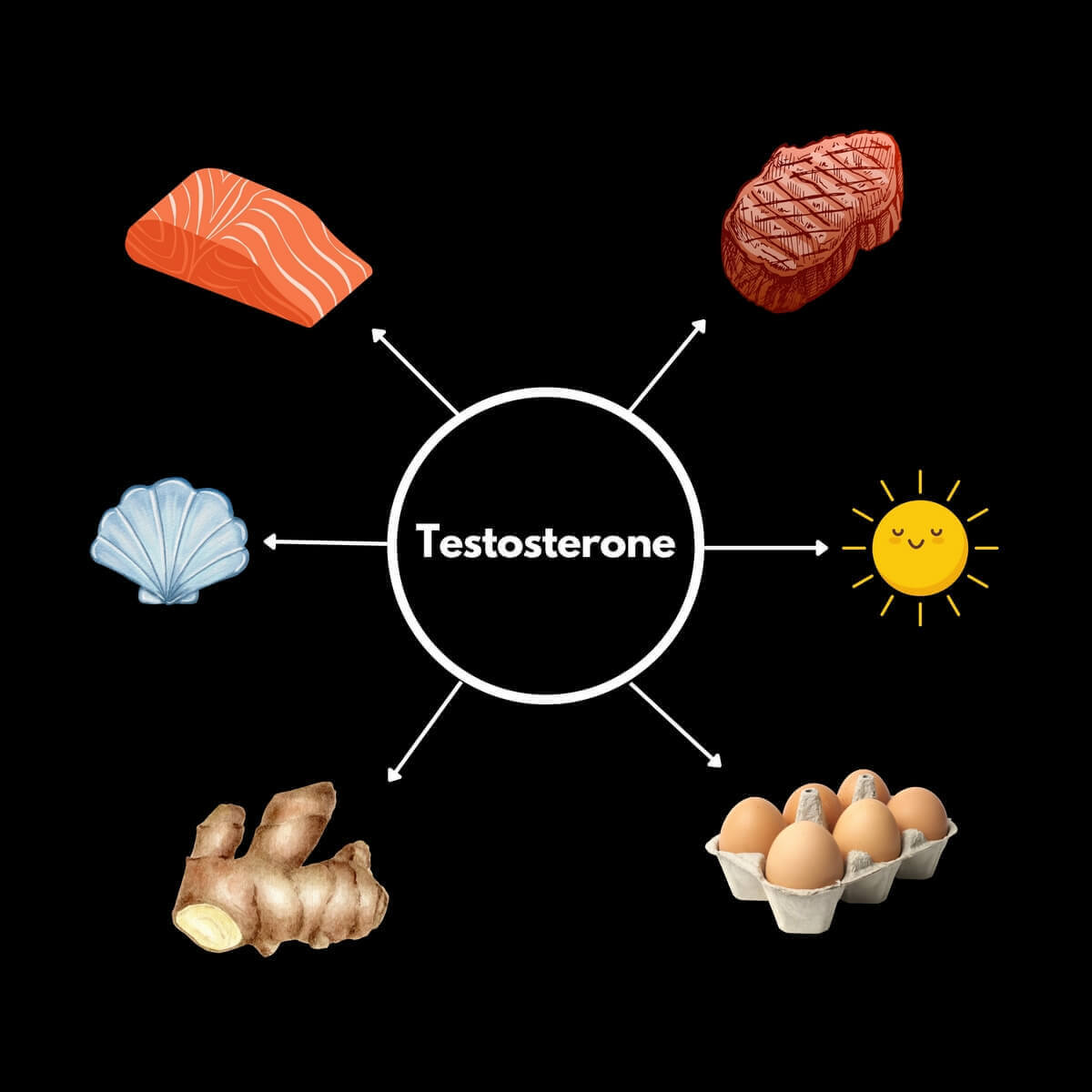
Zinc is the most clinically relevant. A 1996 investigation published in Nutrition (Prasad et al.) put this relationship to a direct test across two groups. Young men whose zinc intake was deliberately restricted over 20 weeks showed a significant drop in serum testosterone. Separately, older men with marginal zinc insufficiency who received supplementation for six months saw their testosterone levels roughly double. The takeaway is specific: insufficient zinc disrupts testosterone synthesis, and restoring adequate intake can reverse that disruption. Red meat is one of the better dietary sources of zinc, alongside shellfish and seeds.
Heme iron is another contribution. Unlike the iron found in plant foods, heme iron from animal sources crosses the gut wall at a substantially higher rate. Adequate iron supports the oxygen-carrying capacity of the blood, and its deficiency produces an energy and vitality decline that is easy to conflate with low testosterone symptoms without proper blood testing. Vitamin B12, densely concentrated in beef and lamb, plays a comparable role: it underpins neurological function and red cell production, and its depletion creates a fatigue profile that obscures what is actually going on hormonally.
Protein rounds out the picture. Both the hormonal system and lean muscle maintenance draw on a steady amino acid supply. Red meat provides a complete profile of essential amino acids, though eggs, fish, and dairy offer the same.
Does Red Meat Actually Increase Testosterone?
Given the nutrients above, it seems reasonable to expect that red meat testosterone levels would rise with higher consumption. The clinical data does not consistently bear that out.
Researchers at Harvard School of Public Health (Afeiche, Williams, Gaskins et al., 2014) enrolled 189 young American men in a cross-sectional study and measured their full hormonal profiles: total and free testosterone, LH, FSH, estradiol, inhibin B, and SHBG. Dietary intake was categorized into processed red meat, unprocessed red meat, organ meat, poultry, and fish. After accounting for age, body weight, activity levels, and other relevant variables, neither unprocessed red meat nor total meat intake showed any statistically significant relationship with testosterone in any direction.
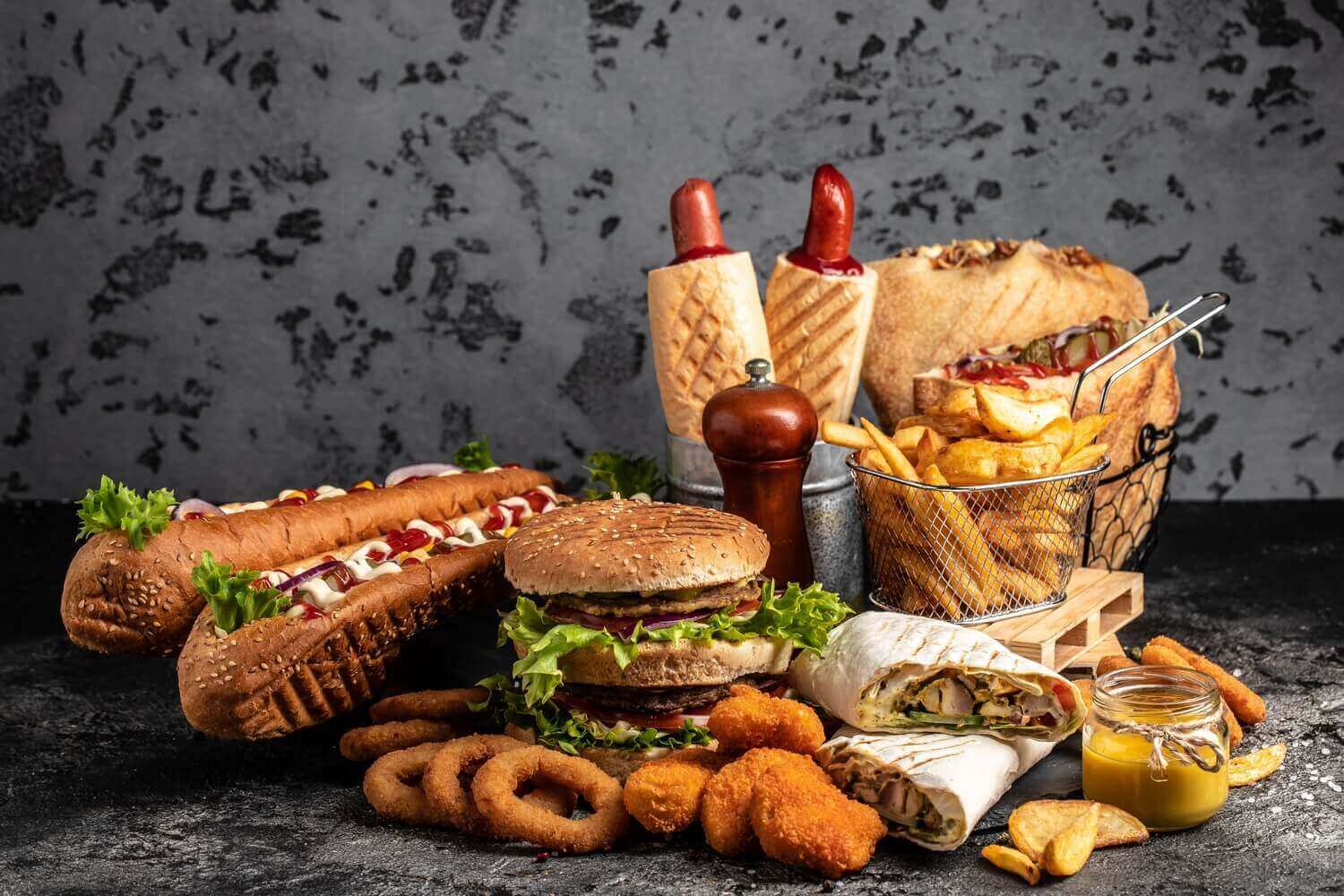
A separate investigation from the University of Kentucky, published in the Journal of Primary Care and Community Health (2014), surveyed 147 men aged 45 and older. Those whose self-reported diets centered on red meat, fried foods, and fast food showed lower testosterone compared to men eating more fish, poultry, and produce. The study could not separate red meat from the other poor dietary choices in that group, so it does not indict red meat specifically. What it does confirm is a pattern seen across this research area: overall dietary quality tracks with hormonal health far more reliably than the presence or absence of any one food.
The bottom line on does eating red meat boost testosterone: for men eating an already adequate diet, the answer is no. Where eating red meat may genuinely move the needle is in men with genuine nutritional deficits, particularly in zinc, where improving overall intake can restore suppressed hormone levels toward their normal range.
Risks of Relying Too Heavily on Red Meat
When red meat becomes the centerpiece of a man’s diet rather than one element among many, several problems follow.
Processed varieties are where the evidence is sharpest. Regular intake of sausages, cured meats, and deli products has appeared alongside worse male reproductive outcomes in multiple independent studies. The 2020 JAMA Network Open study of young Danish men showed that a dietary pattern built around processed meat, fast food, and refined carbohydrates correlated with significantly lower sperm counts compared to a pattern centered on fish, poultry, and produce. The issue is not beef or lamb per se. It is what these products contain after processing: higher saturated fat, additives, and potentially residues from synthetic compounds used in industrial livestock production.
Beyond processed meat, there is a broader hormonal cost to dietary narrowness. A plate dominated by animal protein tends to squeeze out the foods that round out hormone health. Magnesium-rich leafy greens, omega-3-dense oily fish, fiber from legumes and whole grains, and the antioxidant load of varied fruit and vegetables all contribute to the metabolic conditions testosterone production depends on. Reducing a man’s health to his protein intake misses most of this picture.
Cardiometabolic function connects directly to testosterone. Chronically elevated blood sugar, accumulating visceral fat, and systemic inflammation each disrupt the hormonal axis that regulates testosterone output. Diets heavy in processed meat and low in plant diversity tend to push all three in the wrong direction. Moderation is not a compromise. It is what biology requires.
Better Diet Patterns for Hormone Health
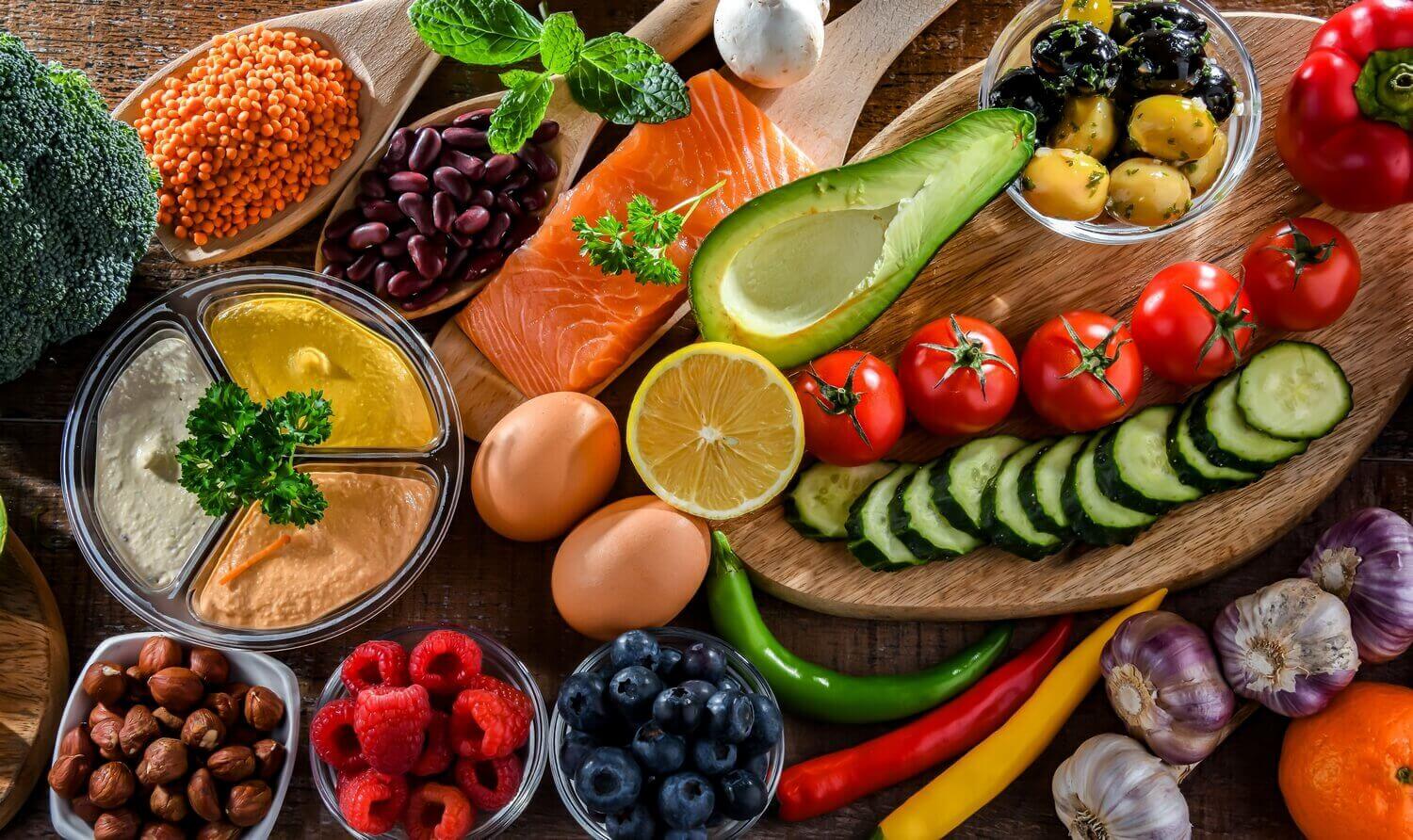
Testosterone responds to the overall nutritional environment, not to any individual item within it. The dietary pattern consistently associated with better hormonal and reproductive outcomes across research is one that draws from multiple food categories rather than prioritizing any single one.
In practical terms this means building meals around varied protein sources: oily fish like salmon and mackerel, eggs, pulses, and moderate amounts of unprocessed fresh red meat. It means including healthy fats from extra virgin olive oil, nuts, and avocado, since the steroidogenesis pathway requires fat-derived substrates and healthy fats support hormone balance directly. It means covering zinc and other micronutrients through shellfish, seeds, red meat, and legumes. And it means giving enough plate space to vegetables, whole grains, and fruit to keep oxidative stress low and insulin sensitivity intact, both of which feed into testosterone regulation.
Where body composition is a factor, fat loss around the abdomen tends to produce more measurable hormonal improvement than any dietary addition. Excess visceral fat raises the activity of an enzyme that converts testosterone into oestradiol, and reducing it reverses that process. Our articles on the best diet for men looking to manage weigh and on losing weight with TRTexplore this further.
When Low Testosterone Needs Medical Evaluation
Dietary improvement can close nutritional gaps that suppress testosterone. It cannot address clinical hypogonadism, a condition where the endocrine system itself is underperforming regardless of what the man eats. No zinc-rich meal plan resolves a dysfunctional pituitary signal or primary testicular failure. Men who try to self-manage persistent hormonal symptoms through food choices alone tend to delay the assessment they actually need.
Persistent low energy, declining libido, reduced muscle mass, mood changes, and fertility concerns all warrant a blood test rather than a dietary experiment. Symptoms of low testosterone overlap with thyroid dysfunction, sleep apnoea, anaemia, and depression, which makes clinical testing the only reliable way to distinguish between them. Testosterone is typically measured in the morning on at least two separate occasions. Our guide on doctors who can help with low testosterone covers which specialist to approach and what that evaluation involves.
FAQ
Q: Does red meat boost testosterone naturally?
Moderate consumption of unprocessed red meat has not been shown to raise testosterone above normal levels in men who already eat a varied, adequate diet. Red meat supplies several nutrients that support normal hormone production, so improving overall nutritional quality may help restore testosterone if a deficiency was suppressing it. That is different from boosting levels in a man already meeting his nutritional needs.
Q: Is zinc in red meat important for testosterone?
Zinc is a confirmed prerequisite for normal testosterone production. When intake falls short, testosterone production drops. Red meat is a meaningful source of dietary zinc, though shellfish, seeds, and legumes also contribute. Getting zinc from food rather than high-dose supplements is generally safer, as excess zinc supplementation can interfere with copper absorption and cause other adverse effects.
Q: Can diet alone fix low testosterone?
When low testosterone traces back to poor nutrition or metabolic dysfunction, improving diet quality can make a real difference. When the underlying issue is clinical hypogonadism related to the endocrine system itself, dietary adjustment is not sufficient. A blood test is the appropriate first step before drawing conclusions about cause and treatment.
Q: Is processed meat different from fresh red meat when it comes to testosterone?
Yes, meaningfully so. Multiple independent studies associate processed meat specifically with worse sperm parameters and poorer reproductive health markers. Fresh unprocessed red meat does not consistently show the same negative associations. The difference likely relates to saturated fat load, processing additives, and the potential accumulation of endocrine-disrupting compounds in processed animal products.
Q: What matters most for testosterone: diet or lifestyle?
Sleep, body composition, and consistent physical activity each show larger and more direct effects on testosterone than dietary choices. Diet creates the nutritional foundation those other factors operate on. A poor diet undermines all of them. A good diet cannot compensate for chronic sleep deprivation, a sedentary lifestyle, or significant excess body weight.
Summary
Red meat contains zinc, protein, heme iron, and vitamin B12, all of which support the conditions needed for testosterone production. Where nutritional gaps are suppressing output, improving diet quality, including through moderate red meat intake, may help restore normal hormone levels. However, clinical studies measuring red meat testosterone levels directly find no evidence that higher consumption raises testosterone in men already eating adequately. Processed red meat carries consistent associations with worse reproductive markers across multiple studies. Does eating red meat boost testosterone? Not on its own, and not beyond what adequate nutrition already provides. Sustained hormonal health requires overall dietary quality, healthy body composition, good sleep, and, when symptoms are present, a proper medical evaluation.
References
- Zinc Status and Serum Testosterone Levels of Healthy Adults — Nutrition (Prasad et al., 1996)
- Association of Dietary Patterns With Testicular Function in Young Danish Men — JAMA Network Open (Nassan et al., 2020)
- Meat Intake and Reproductive Parameters Among Young Men — Epidemiology (Afeiche et al., 2014)
- What’s the Beef With Red Meat? — Harvard Health Publishing
- UK Researchers Find Correlation Between Unhealthy Diets and Testosterone Levels — University of Kentucky
- Vitamin D and Male Sexual Function — International Journal of Endocrinology (Tirabassi et al., 2018)