Can Low Testosterone Cause Insomnia?
Three in the morning. Wide awake again, no obvious reason, tired but unable to get back to sleep. For many men, this pattern goes on for months before anyone runs a hormone panel. Poor sleep and declining testosterone tend to get investigated separately. In clinical practice, though, they are often two sides of the same problem.
What Testosterone Does for Sleep and Overall Recovery
Ask most men what testosterone does, and they will mention muscle or sex drive. Both answers miss where the hormone does most of its actual work.
Overnight is when testosterone output concentrates. The body does not produce it evenly across the day. Production builds in the hours after falling asleep, tied to how well the brain moves through its normal nighttime cycles. Interrupt those cycles consistently, and the hormonal output for the next day starts from a lower point.
This matters because testosterone does more than regulate physical performance. It supports tissue repair during rest, moderates inflammatory signals from physical exertion, and helps maintain the neurological balance behind mood and motivation. When this overnight process gets repeatedly cut short, the deficits compound. A man rarely notices the change on any given day. Over several months, effort costs more than it used to, recovery from training takes longer, and mental clarity requires more deliberate effort.
None of these changes announce themselves as hormonal. They overlap entirely with what chronic poor sleep from any cause produces. That overlap puts low testosterone insomnia in a diagnostic gray zone where testing, not guesswork, is the only reliable way forward.
Can Low Testosterone Cause Insomnia?
The honest clinical answer is it can contribute. But the way it tends to present is not what most people expect.
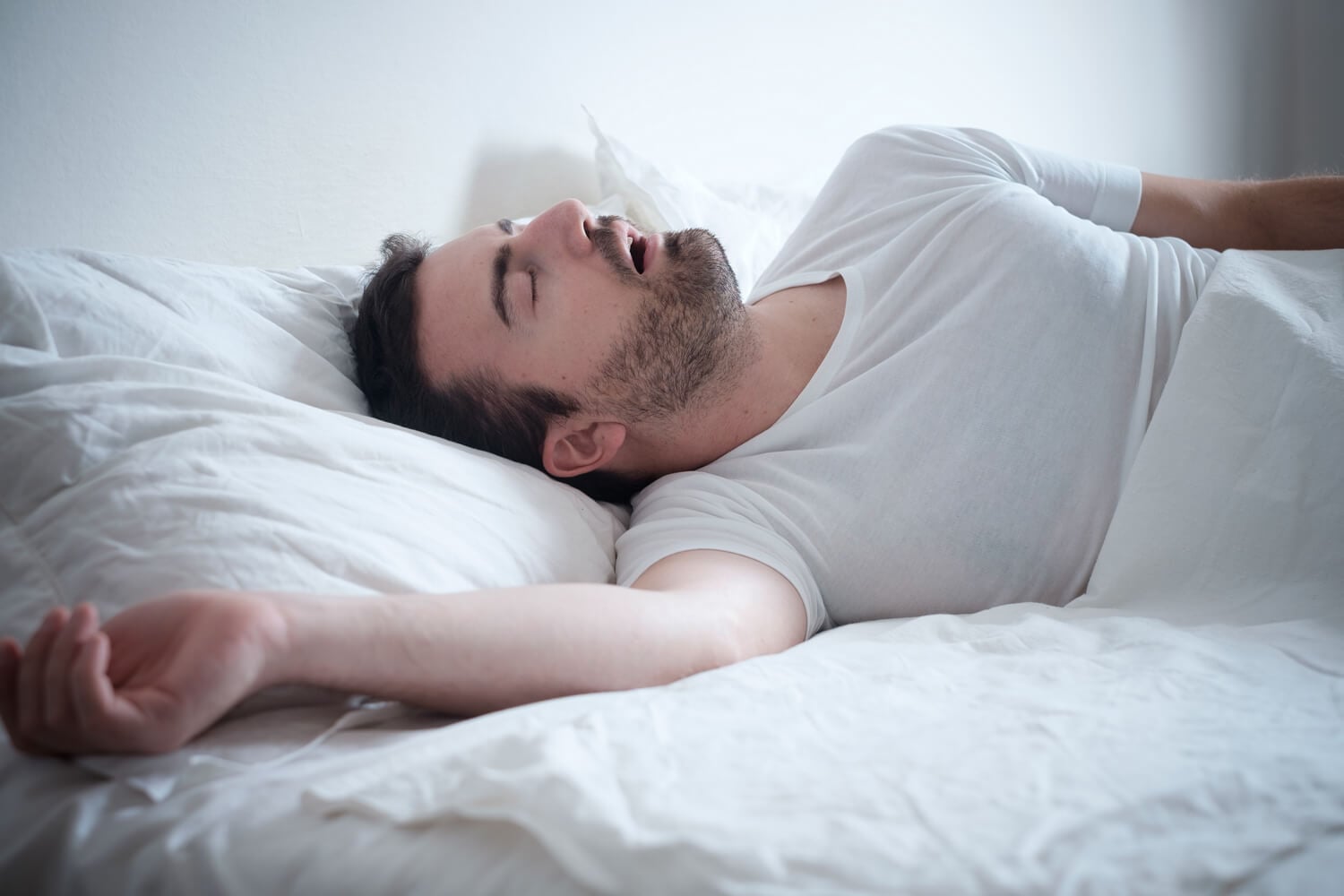
Testosterone deficiency rarely prevents a man from falling asleep. What gets disrupted instead is the second half of the night. Sleep starts normally, then fragments. A man wakes at two, three, or four in the morning feeling alert rather than drowsy. He spends time in a half-awake state that provides none of the physical restoration of genuine rest. He gets out of bed having logged enough hours but feeling as though none of them counted.
The question of does low testosterone affect sleep is complicated by its bidirectional nature. Clinical data shows that shortening nightly rest to around five hours for seven consecutive days drives testosterone down by approximately ten to fifteen percent in otherwise healthy men. To put that in perspective, the same hormonal drop typically takes ten or more years through natural aging alone. On the other side of the equation, men carrying a confirmed testosterone deficit tend to get less genuine overnight recovery. Their nights fragment more readily, especially in the hours before waking.
So the question of low testosterone insomnia does not have a simple directional answer. Hormonal deficiency can degrade rest quality. Inadequate rest can suppress hormonal output. Once either gets established, it tends to reinforce the other. That is why the symptom pattern in these men often worsens gradually rather than appearing suddenly.
Broken sleep and morning head pain often arrive together, so it also helps to know whether low testosterone can cause headaches.
Other Sleep Problems That May Overlap With Low Testosterone
Before attributing disrupted sleep to hormones, it helps to consider how many other conditions produce an almost identical picture.
Stress, Anxiety, and Depression
Sustained psychological pressure raises cortisol. Elevated cortisol directly interferes with the hormonal signaling chain that governs testosterone production. A man presenting with low T on a blood test alongside poor sleep and low motivation may have stress physiology as the primary driver rather than any hormonal deficiency. Anxiety tends to produce early-morning waking and unrefreshed sleep through mechanisms unrelated to androgens. Depression sits in a similarly ambiguous position: it impairs nighttime rest and links to reduced testosterone in some men, with neither clearly preceding the other in many cases.
Obstructive Sleep Apnea
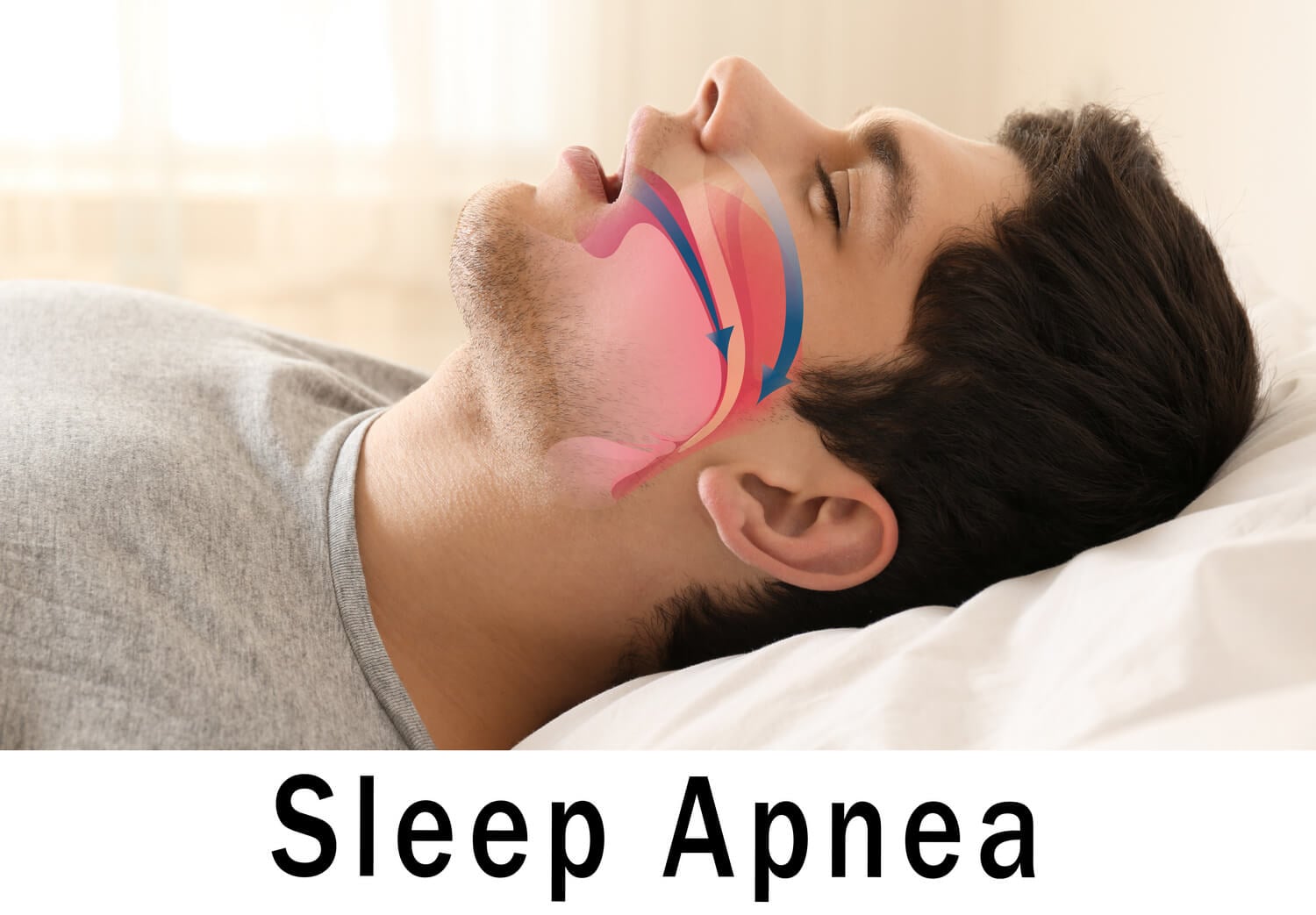
Among the conditions that can low T cause sleep problems to be confused with, obstructive sleep apnea deserves the most clinical attention. Repeated breathing interruptions across the night stop the body from reaching and sustaining the deeper phases of rest where hormonal recovery occurs. Data across multiple studies shows that men with moderate to severe breathing disruption during sleep carry lower androgen levels than those who breathe normally overnight. The suppression scales with severity: the more frequently breathing stops, the lower testosterone tends to run. A study published in the Archives of Sexual Behavior examined 207 men and found that both testosterone levels and erectile function declined significantly as apnea severity increased.
A man whose bloodwork shows low testosterone alongside fatigue, poor libido, and disrupted nights may actually be dealing with unmanaged apnea. Starting hormonal treatment before addressing the breathing issue tends to miss the actual problem entirely.
Lifestyle and Other Factors
Shift work, regular alcohol use, excess body weight, and certain medications each suppress hormonal output and disrupt nighttime rest through separate pathways. Aging adds another layer: testosterone naturally declines at roughly one to two percent per year from the mid-thirties onward. Sleep changes in older men often reflect both normal hormonal aging and compounding lifestyle factors rather than a single treatable deficiency. Excess body fat compounds this further. Fatty tissue converts testosterone into estrogen through aromatization, quietly reducing circulating androgen levels while also raising the risk of breathing-related sleep disruption.
It is also worth stating directly: insomnia alone does not indicate a hormonal problem. Poor sleep is one of the most common complaints in general practice and has dozens of potential causes. A man experiencing disrupted nights with no other recognizable signs of hormonal decline is far more likely dealing with stress, lifestyle, or an unrelated medical issue than with testosterone deficiency. The hormonal angle only warrants serious investigation when sleep disruption arrives as part of a wider cluster of changes.
Symptoms of Low Testosterone to Watch For
Isolated insomnia with no other accompanying complaints is a weak signal for testosterone deficiency. The picture that warrants hormonal investigation looks different: a cluster of changes assembling quietly over months, with sleep disruption as one thread among several.
Energy tends to shift first. Not ordinary tiredness after a hard week, but a persistent ceiling effect. Available output sits lower than it used to, regardless of how much rest the night delivered. Physical sessions that once felt manageable now require a deliberate push. Recovery stretches longer. Body composition drifts toward more abdominal fat and less lean mass without meaningful changes in diet or activity.
Mood changes follow a recognizable arc. Emotional flatness is more common than outright distress. Enthusiasm narrows. Motivation for previously rewarding activities requires more effort. Concentration becomes less reliable, especially for tasks needing sustained focus. Some men describe a general loss of forward momentum with no clear cause.
Libido typically declines after fatigue and mood changes get established. Sexual interest and, in some cases, erectile function may both be affected. For a closer look at how testosterone treatment may affect sexual health, Beyoung Health’s article on how TRT affects libido covers the evidence clearly. Besides, get to know about Losing an Erection During Sex.
Within this fuller picture, low testosterone and insomnia in men are one data point rather than a defining feature. Its clinical significance rises considerably when it appears alongside several of the other changes above.
How to Check Whether Low Testosterone Is Part of the Problem
A blood test is the only reliable way to know whether testosterone is contributing to a man’s symptoms. Symptom-based assessment alone carries a high error rate. Too many other conditions produce the same complaints.
Timing matters for accuracy. Testosterone output follows a steep daily curve. It peaks in the early morning and drops considerably through the afternoon. Blood drawn at two in the afternoon may return a reading that understates the actual baseline, creating a false impression of deficiency. Morning testing, ideally between seven and ten, on two separate occasions before any treatment decision, reflects current clinical guidance.
The link runs in both directions. In a small study, a week of five-hour nights lowered daytime testosterone by 10 to 15% in healthy young men, so see how sleep and timing shift testosterone before reading too much into one result.
The number also needs context. Two men with identical readings can have entirely different clinical situations depending on age, symptoms, body composition, and hormonal profile. A low-range result in a symptomatic forty-five-year-old carries different weight than the same number in an asymptomatic man of the same age. Beyoung Health’s resource on the doctor who can help with low testosterone outlines which clinician is best placed to evaluate these findings.
Evaluating sleep independently before drawing hormonal conclusions matters equally. Screening for breathing-related disruption, reviewing sleep habits, and considering mood disorders should all come before any hormonal intervention. A testosterone reading that looks low because of an untreated sleep condition will not improve through hormone treatment alone.
When TRT May Help and When It May Not
Testosterone replacement therapy addresses confirmed androgen deficiency. It does not treat insomnia. Framing it as a sleep solution tends to produce clinical disappointment and missed diagnoses.
For men with established deficiency, restoring testosterone to a normal physiological range may bring indirect improvements in nightly rest. Clinical review data indicates that men with genuine androgen deficiency who brought their levels back into the normal range through replacement doses, not above it, reported meaningful gains in how rested they felt and how well their nights held together. The effect was real but modest, and it only showed up when the hormonal deficit was confirmed upfront.
When anxiety, depression, apnea, or behavioral patterns drive poor sleep, TRT and sleep outcomes run largely independent of each other. Each of those conditions has its own treatment pathway. Introducing testosterone therapy alongside an unaddressed root cause tends to produce incomplete results. The mechanism generating the disruption stays active regardless of what happens to hormone levels.
Beyoung Health’s article on whether testosterone replacement therapy really works covers realistic outcomes, monitoring requirements, and appropriate candidate selection. Any testosterone treatment requires a prescription and ongoing clinical supervision. Unmonitored use carries specific risks, including potential worsening of undiagnosed breathing-related disruptions, which clinical guidelines flag as a contraindication.
Frequently Asked Questions
Q: Can low testosterone directly cause insomnia?
It can contribute, though not in the way most people picture. Testosterone deficiency tends to chip away at rest quality rather than blocking sleep at the start of the night. What gets reported in clinical evaluations are fragmented nights, early-hour waking, and mornings that feel unproductive despite enough hours logged. For most men, low T acts as one piece of a wider hormonal picture rather than the primary cause on its own.
Q: Does testosterone therapy improve sleep?
For men with a confirmed deficiency, getting testosterone back into a normal range may support modest gains in how well nights feel and how deeply the body recovers. This matters most when a hormonal deficit is established upfront, not assumed. Outside of genuine deficiency, TRT has no clinical standing as a treatment for sleep problems. It does not replace proper evaluation of conditions like apnea or anxiety-driven insomnia.
Q: What are the signs of low testosterone besides insomnia?
What clinicians see regularly in hormonal evaluations includes fatigue that persists despite adequate rest, a drop in libido and sexual performance, slower physical recovery, a shift in body composition toward more abdominal fat and less lean tissue, reduced motivation, and difficulty maintaining concentration. These changes tend to build over months without a clear trigger. Most men put them down to getting older or being busy before anyone checks their hormone levels.
Q: Should I get my testosterone checked if I cannot sleep?
If sleep disruption arrives alongside persistent fatigue, shifting libido, mood changes, or declining physical output, then a morning testosterone test is worth requesting. Sleep trouble on its own is too non-specific to point confidently toward a hormonal cause. Testing becomes more justified when several recognizable signs from the broader low T picture show up at the same time.
Q: Can sleep deprivation lower testosterone?
Yes, and faster than most men realize. Cutting nightly rest to around five hours for just one week produces a testosterone drop of roughly ten to fifteen percent in healthy men. Researchers who documented this noted the scale of decline was similar to what the body loses over an entire decade of normal aging. That finding is why sleep sits at the same level of clinical importance as hormone optimization when evaluating men’s health, not below it.
Summary
Asking can low testosterone cause insomnia leads to an answer that runs in two directions at once. Hormonal deficiency can erode the quality of overnight rest, leaving men exhausted despite time in bed. Shortened or disrupted sleep pushes testosterone output down in return, deepening the hormonal picture. Obstructive apnea, anxiety, and depression each produce a symptom cluster so similar to low T that clinical testing is the only dependable way to separate them. Getting clarity means blood work at the right time of day, an independent look at sleep, and a clinician who evaluates the whole picture rather than a single data point.
If this pattern sounds familiar, book a consultation with our clinical team to get a clear, tested answer instead of guessing.
References:
- The Relationship Between Sleep Disorders and Testosterone in Men — Asian Journal of Andrology (Wittert, 2014)
- Disruption of the Nocturnal Testosterone Rhythm by Sleep Fragmentation in Normal Men — Journal of Clinical Endocrinology (Luboshitzky et al., 2001)
- Effect of 1 Week of Sleep Restriction on Testosterone Levels in Young Healthy Men — JAMA (Leproult and Van Cauter, 2011)
- A Clinical Perspective of Sleep and Andrological Health — Journal of Clinical Endocrinology and Metabolism (Liu, 2019)
- Erectile Dysfunction and Sexual Hormone Levels in Men With Obstructive Sleep Apnea — Archives of Sexual Behavior (Zhang et al., 2016)