How to Get Rid of Acne From Testosterone
Understanding the Link Between Hormones and Skin
Many people who start hormone therapy or notice hormonal shifts ask how to get rid of acne from testosterone. Testosterone, whether naturally produced or prescribed as part of hormone replacement therapy, directly affects skin oil production. While this hormone plays an essential role in muscle growth, energy, and sexual health, it can also overstimulate sebaceous glands. This excess oil clogs pores and creates an environment for acne to thrive.
Unlike teenage acne that often clears with over-the-counter solutions, testosterone-driven acne is persistent. It affects men, women, and even nonbinary individuals undergoing hormone treatment. Knowing the cause is critical because the treatment plan must address both the hormone trigger and the skin’s needs.
This article explains why testosterone causes acne, practical steps for treatment, medical options, and myths such as can low testosterone cause acne. By the end, you’ll have a clear roadmap to manage testosterone acne effectively.
Why Testosterone Can Trigger Acne
Testosterone influences sebaceous glands, which produce sebum. In normal amounts, sebum moisturizes and protects skin. However, high levels of testosterone push glands into overdrive, creating oily skin. Excess oil mixes with dead skin cells, blocks pores, and fosters bacterial growth.
This chain reaction explains why acne often flares during puberty, when natural testosterone peaks. The same process occurs in adults receiving testosterone replacement therapy (TRT). For some, acne appears within weeks of starting therapy. For others, it develops after dosage adjustments.
The challenge is that hormone-related acne doesn’t always respond to simple cleansers. Because the source is hormonal, it usually requires a multi-step approach combining skincare, lifestyle, and sometimes medical adjustments. That’s why many seek guidance on how to get rid of acne from testosterone beyond drugstore products.
Recognizing Hormonal Acne Symptoms
Not all acne comes from hormones, so identifying hormone-driven patterns matters.
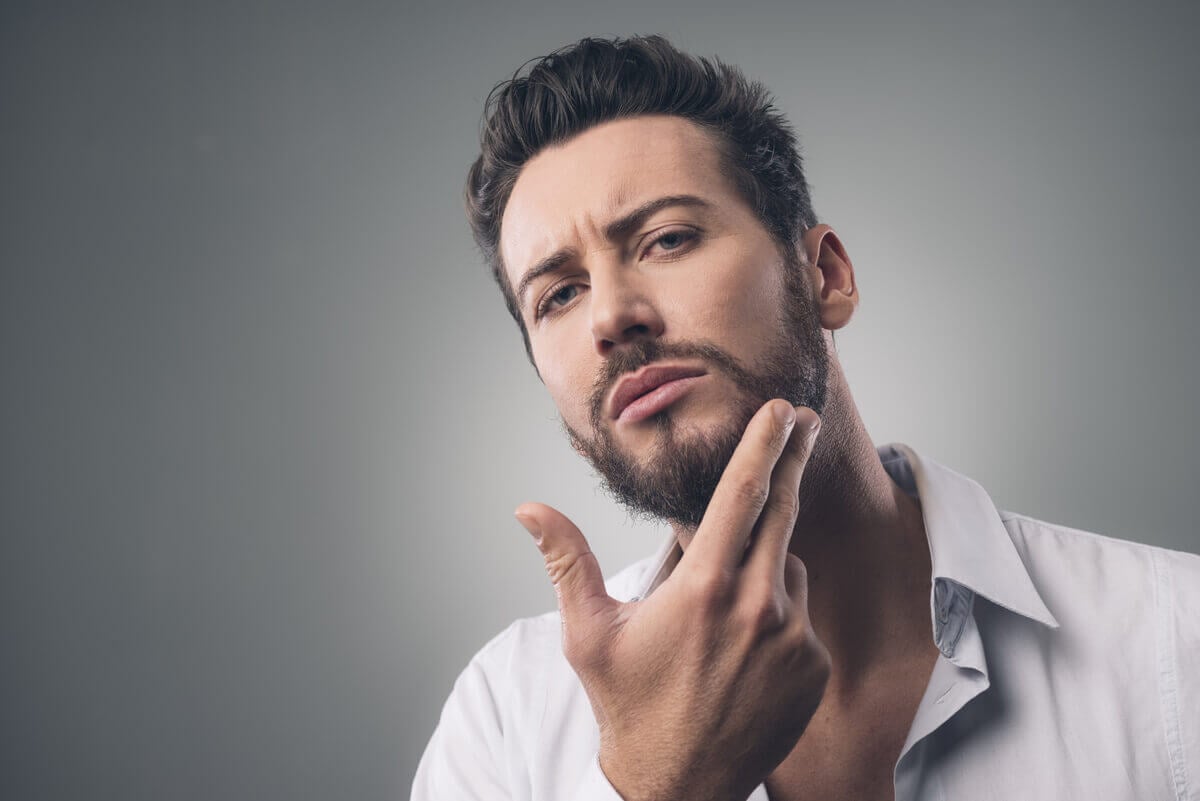
- Location: Jawline, chin, chest, shoulders, and back are common.
- Type: Cystic acne, which is painful, deep, and inflamed, often signals hormone involvement.
- Timing: Breakouts worsen around dosage changes or natural hormonal cycles.
If these patterns match your acne, focusing on testosterone as the driver will help you find the right treatment.
How to Get Rid of Acne From Testosterone With Skincare
Skincare forms the foundation of acne management. Although hormones trigger excess oil, daily habits control how much that oil clogs pores.
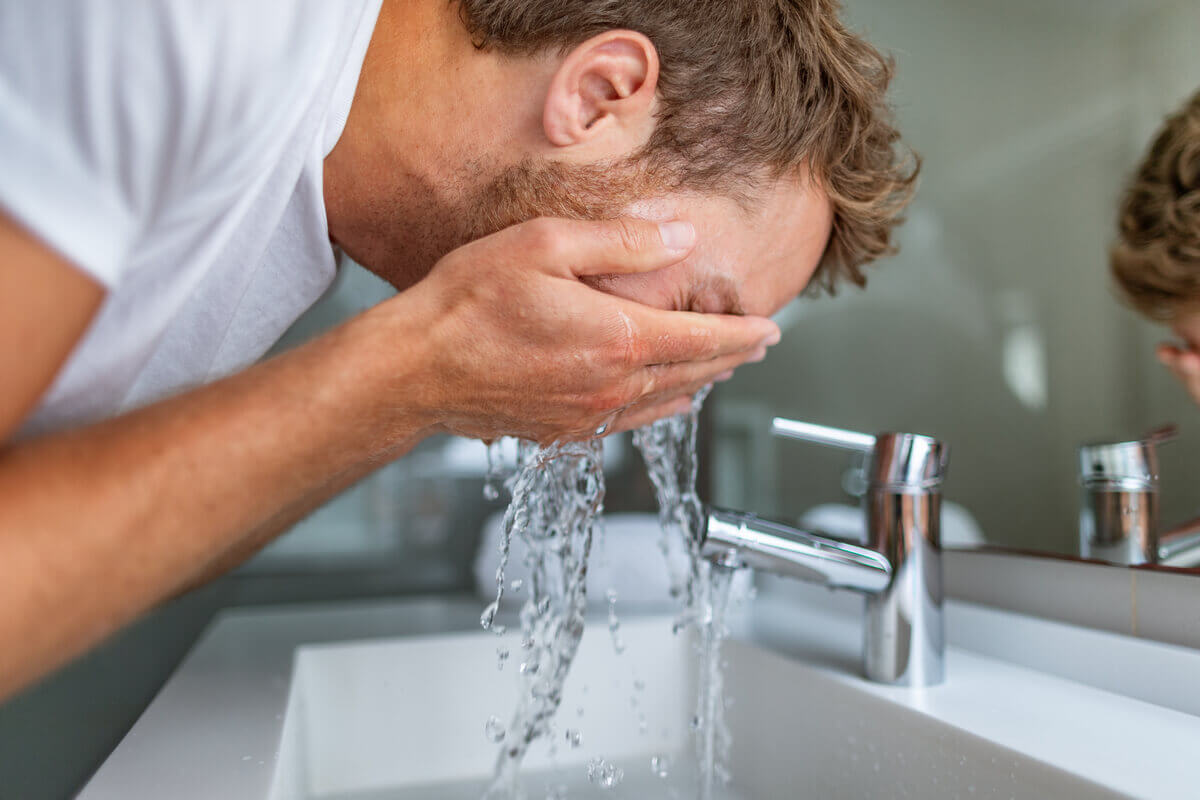
- Cleanse Twice Daily: Use a gentle, sulfate-free cleanser. Harsh scrubs strip the skin, causing rebound oiliness.
- Exfoliate Properly: Salicylic acid penetrates pores and dissolves oil, while glycolic acid removes surface buildup. Use these two to three times weekly.
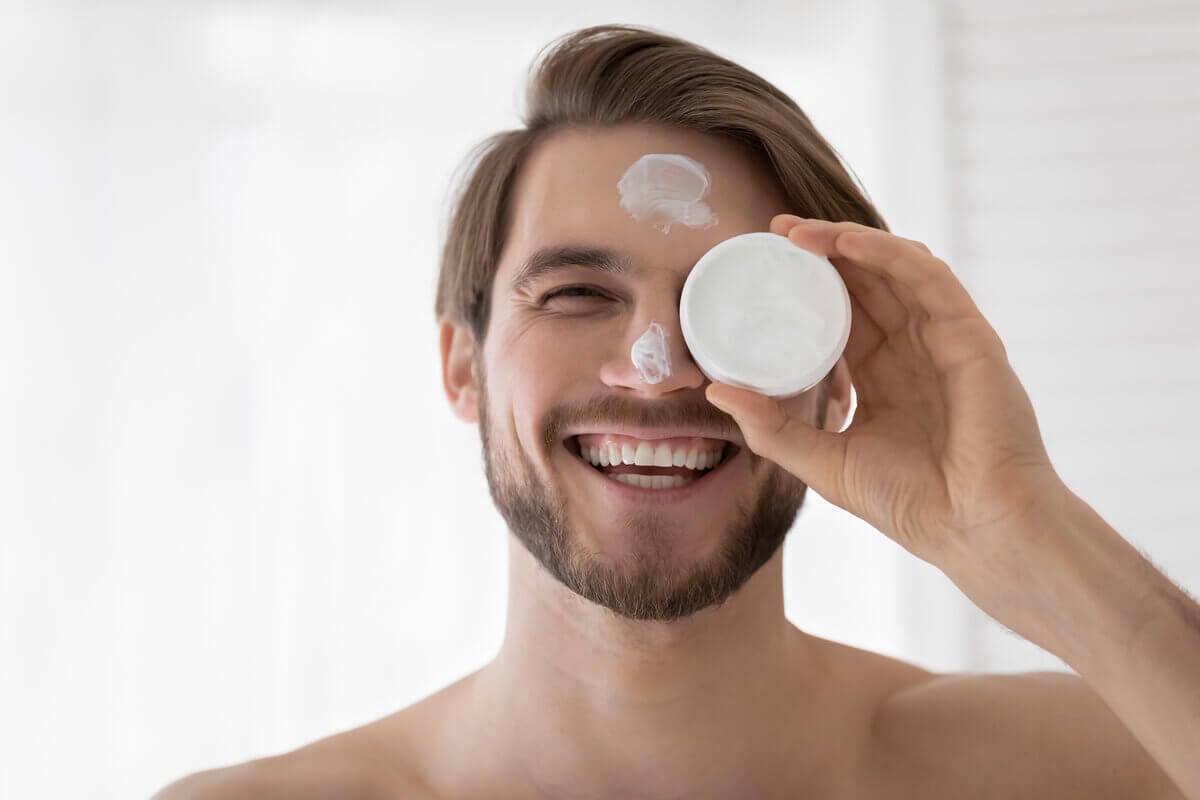
- Moisturize Daily: Non-comedogenic moisturizers prevent dryness and irritation, which can make acne worse.
- Apply Sunscreen: Sun exposure triggers inflammation and worsens scars. Choose oil-free, broad-spectrum SPF.
Consistency is key. Results typically appear after six to eight weeks of a routine. People often give up too early, but patience is essential when learning how to get rid of acne from testosterone.
Medical Treatments for Testosterone-Related Acne
When skincare isn’t enough, medical options provide targeted relief. Dermatologists often prescribe treatments based on severity.
- Topical Retinoids: Vitamin A derivatives like tretinoin or adapalene unclog pores and regulate cell turnover.
- Topical Antibiotics: Reduce acne-causing bacteria and inflammation.
- Oral Antibiotics: For moderate to severe cases, oral antibiotics like doxycycline can be prescribed short-term.
- Oral Retinoids (Isotretinoin): Used for severe cystic acne when other treatments fail.
- Hormone Adjustments: In some cases, adjusting TRT dosage or delivery method can stabilize acne without stopping therapy.
Medical treatment is not one-size-fits-all. A dermatologist evaluates skin type, severity, and hormone levels before recommending solutions.
Lifestyle Adjustments that Support Clearer Skin
Hormone-driven acne isn’t solved by skincare and prescriptions alone. Lifestyle influences flare-ups, making healthy habits essential.
- Diet: Reduce processed foods, sugar, and dairy, which may worsen oil production. Add zinc-rich foods, omega-3 fatty acids, and antioxidants.
- Exercise: Improves circulation and reduces stress, but shower promptly after sweating to prevent pore blockage.
- Sleep: Poor sleep disrupts hormone balance. Aim for 7 to 9 hours per night.
- Stress Management: Stress raises cortisol, which can indirectly worsen acne. Mindfulness, yoga, or simple breathing exercises help maintain balance.
Because acne is a visible condition, improving overall health has both physical and emotional benefits.
Can Low Testosterone Cause Acne?
Most people assume only high testosterone triggers acne, but the question can low testosterone cause acne also arises. The answer is yes, though less directly.
Low testosterone disrupts hormonal balance by shifting ratios between estrogen, progesterone, and androgens. These imbalances can stimulate oil production or worsen skin inflammation. Additionally, low testosterone sometimes increases cortisol, which indirectly triggers breakouts.
Although uncommon, low testosterone acne exists and requires lab testing for confirmation. If you suspect hormone imbalance, consult a healthcare provider for a complete panel.
Common Mistakes to Avoid
When people research how to get rid of acne from testosterone, they often try methods that backfire:
- Washing too frequently, stripping skin oils.
- Using multiple harsh treatments at once.
- Skipping moisturizer because the skin feels oily.
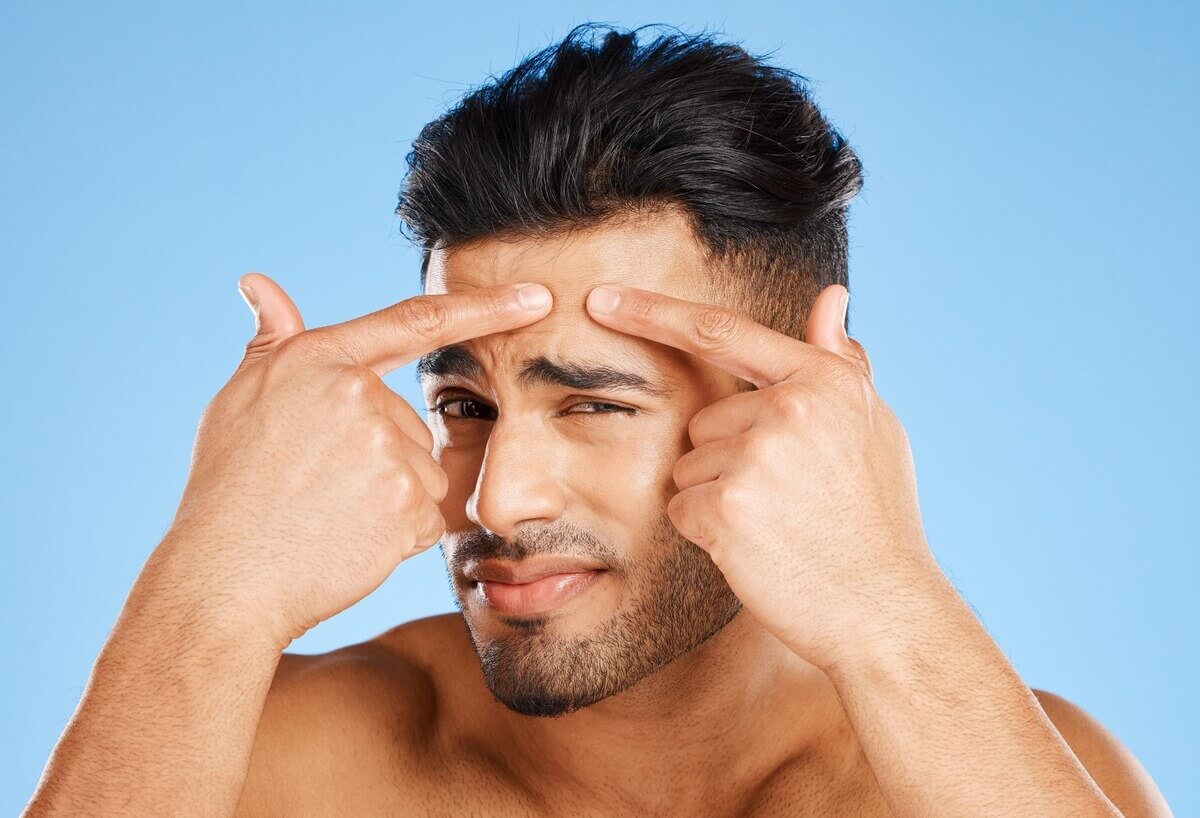
- Picking at pimples, leading to scars and infections.
Avoiding these mistakes protects your skin barrier and allows treatments to work effectively.
How Different Testosterone Delivery Methods Affect Acne
The way testosterone enters the body also changes acne risk.
- Injections: Cause hormone peaks that trigger oil production. Splitting doses can reduce this effect. Read more about How Often to Inject Testosterone for Best TRT Results.
- Gels or Patches: Provide steadier levels but sometimes irritate skin at application sites.
- Pellets: May trigger flare-ups during the first few weeks before stabilizing.
Discussing delivery methods with a doctor helps find an option that balances health benefits with manageable side effects.
Body Acne And Gym Habits
Testosterone acne often extends beyond the face. Chest and back breakouts are common, especially for athletes. Gym routines can worsen acne through sweat, friction, and dirty equipment.
- Wear loose, breathable clothing.
- Shower immediately after workouts.
- Use benzoyl peroxide body wash to reduce bacteria.
- Wash gym towels and clothing frequently.
These steps reduce flare-ups and support a full plan for how to get rid of acne from testosterone.
Long-Term Outlook
The good news: acne from testosterone is rarely permanent. Most cases improve with consistent management. Some people see breakouts fade as hormone levels stabilize, while others require ongoing support.
Modern dermatology provides solutions for all severity levels, from topical creams to advanced laser therapies. The key is persistence and willingness to combine skincare, medical treatment, and lifestyle adjustments.
Taking Control of Testosterone Acne
Managing hormone-driven breakouts starts with understanding the cause. Knowing how to get rid of acne from testosterone means combining skincare, lifestyle, and sometimes medical treatment. For most, this multi-step plan leads to clearer skin within months.
And while it’s less common, remember that low testosterone can also cause acne. Testing and personalized care ensure the right solution for each case.
Clear skin is not out of reach. With steady effort, support, and smart strategies, you can control testosterone-related acne and regain confidence.
Frequently Asked Questions
Do Different Testosterone Delivery Methods Change Acne Risk?
Yes. Injection peaks can spike oil production, so acne may flare in the first 48 to 72 hours after a shot. Splitting doses into smaller injections helps. Gels and patches give steadier levels, though some users still break out at application sites. Pellets may trigger flare-ups at first but stabilize later.
How Can I Tell If It Is Fungal Acne, and What Should I Do?
Fungal acne looks like small, itchy, same-size bumps on the chest, forehead, and back. It does not form whiteheads like bacterial acne. Using a ketoconazole or zinc pyrithione wash helps, and avoiding heavy oils prevents flare-ups.
What Gym and Sports Habits Prevent Body Acne?
Wear loose, moisture-wicking fabrics. Shower after workouts, use benzoyl peroxide body wash, and keep gym gear clean. Place a towel between your skin and gym benches to reduce bacteria transfer.
Which Diet Tweaks Have the Best Evidence for Acne?
Low glycemic foods help balance insulin and reduce oil production. Replace whey protein with pea or soy protein if acne worsens after shakes. Skim milk correlates with acne more than yogurt or cheese. Omega-3s and zinc also support clearer skin.
How Should I Layer Products, and How Long Until I See Results?
Morning: cleanser, treatment (benzoyl peroxide or salicylic acid), moisturizer, and sunscreen. Night: cleanser, retinoid, and moisturizer. Improvements usually show in 6–8 weeks, with clearer skin in 12 weeks.