Healthy Diet Grocery List at Any Age for Better Living
A healthy diet grocery list is more than a piece of paper. It acts as your roadmap to balanced eating. Without one, shopping often becomes impulsive. People grab snacks, processed foods, and sugary drinks that harm long-term health. However, with a structured list, you make choices that support energy, longevity, and disease prevention.
Moreover, building the right list works at every stage of life. Children, young adults, and older people each benefit from nutrient-rich selections. Transitioning from random shopping to a grocery list for a healthy diet plan ensures you meet your body’s needs consistently. As a result, mealtimes become healthier, more enjoyable, and less stressful.
Benefits Of Using A Grocery List for Healthy Diet Plan
First, a healthy diet grocery list saves time. You no longer wander aisles without direction. Instead, you follow a set plan and finish shopping faster. Second, it prevents waste. Because you buy only what you need, fewer items spoil in the fridge. Third, it supports budget control. Healthy eating does not mean expensive eating. With smart planning, you buy in season, in bulk, or on sale.
Additionally, research shows that written lists help people stick to goals. In this case, following a grocery list for a healthy diet plan leads to better nutrition. Over weeks, small consistent actions create big health improvements.
How To Create A Smart Nutrition Grocery List
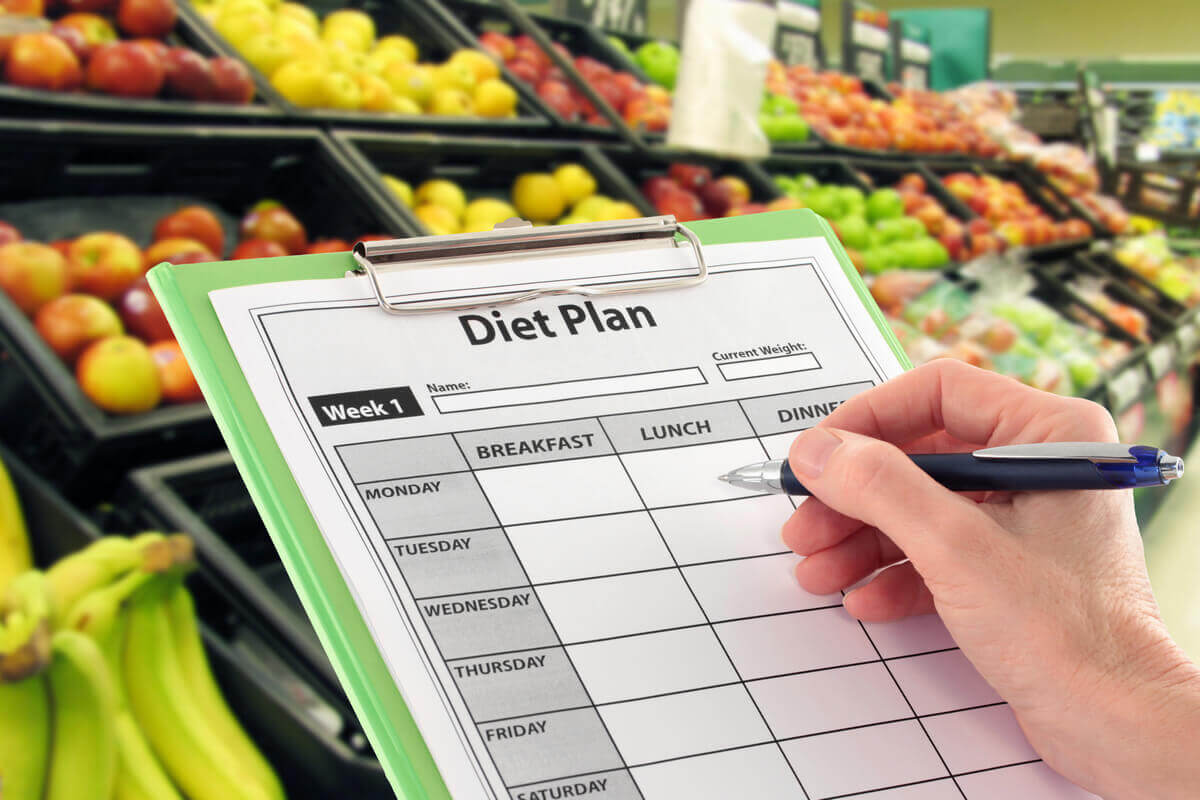
Creating a nutritious meal shopping list starts with your goals. Do you want to lose weight, build muscle, or improve energy? Your answer guides your choices. For example, someone focused on weight loss may emphasize vegetables, lean proteins, and whole grains. On the other hand, an athlete may require higher protein and complex carbohydrates.
To begin, divide your list into categories. Common sections include produce, proteins, dairy alternatives, whole grains, and pantry staples. Furthermore, add healthy fats and hydration items like olive oil and herbal teas. This structure makes shopping smooth and prevents missing essentials.
Essential Foods For Every Grocery List for Healthy Diet Plan
Certain foods belong on every healthy diet grocery list regardless of age. Fresh fruits provide vitamins, fiber, and antioxidants. Leafy greens like spinach and kale support bone health. Whole grains such as brown rice and quinoa deliver energy that lasts. Lean proteins like chicken, fish, beans, and lentils, aid muscle repair. Meanwhile, nuts and seeds add healthy fats crucial for brain function.
Additionally, fermented foods like yogurt, kefir, and kimchi enhance gut health. Hydration also matters. Water, sparkling mineral water, and unsweetened teas should appear on your grocery list for healthy diet plan. These staples serve as the foundation for balanced meals.
Check out How Men Can Speed Up Metabolism for Faster Weight Loss.

Balanced Diet Grocery List For Children
Children require nutrient-dense foods for growth and brain development. A smart nutrition grocery list for kids should include colorful fruits, vegetables, and whole grains. Adding foods like apples, carrots, and oats ensures strong immunity and energy for school. Furthermore, dairy or fortified alternatives provide calcium for bones.
Protein is another key element. Eggs, chicken, and plant-based options like beans build muscle. Snacks matter too. Instead of chips, choose air-popped popcorn or fruit slices. In short, parents who use a grocery list for healthy diet plan protect their children from early lifestyle diseases and set lifelong habits.

Teens’ and Young Adults’ Grocery List for Healthy Diet Plan
Teenagers and young adults often face irregular schedules and heavy demands from school or work. Therefore, their healthy diet grocery list should focus on easy yet nourishing foods. Portable snacks like bananas, almonds, and whole-grain wraps help maintain energy between classes or shifts.
Additionally, hydration plays a big role. Teen diets often include sodas and energy drinks. Replacing these with infused water or herbal teas reduces sugar intake. Protein is vital too, especially for active students. Lean meats, legumes, and dairy alternatives build strength and aid recovery. A grocery list for healthy diet plan designed for this age group prevents fatigue and supports focus.
Adults’ Grocery List for Healthy Diet Plan
Adults juggle work, families, and other responsibilities. As a result, quick but balanced options matter. An adults’ grocery list for healthy diet plan should feature pre-washed salad greens, frozen vegetables, and whole-grain bread. These items make fast meals possible without sacrificing nutrition.
In addition, protein should be varied. Fish like salmon add omega-3s for heart health, while beans and lentils provide affordable plant protein. Snacks also need attention. Rather than chips, try roasted chickpeas or yogurt with berries. With the right grocery list for healthy diet plan, adults can balance convenience and wellness.

Balanced Diet Grocery List For Older People
Older people benefit greatly from a structured healthy diet grocery list. Nutrient absorption often decreases with age, so food quality becomes critical. Include soft fruits like bananas and berries, which are easier to chew and digest. Leafy greens, fortified cereals, and dairy alternatives help maintain bone strength.
Furthermore, hydration is sometimes overlooked. Older people should add soups, herbal teas, and water-rich fruits to their grocery list for a healthy diet plan. High-fiber foods like oats and lentils also aid digestion. By carefully selecting foods, older adults can preserve energy, mobility, and mental clarity.
Budget-Friendly Grocery List for Healthy Diet Plan
Healthy eating does not need to drain your wallet. A budget-friendly grocery list for healthy diet plan emphasizes seasonal produce, store brands, and bulk staples. Carrots, cabbage, and potatoes often cost less yet supply essential nutrients. Buying beans, rice, and oats in large bags saves money over time.
Additionally, frozen fruits and vegetables are affordable and long-lasting. They retain most nutrients and prevent waste. Planning meals around sales also helps. When you build a grocery list for healthy diet plan with cost in mind, you avoid financial stress while still eating well.
How To Stick To Your Healthy Diet Plan
Making a list is one step, but following it is another. To stay on track, eat before shopping. Hunger increases impulse buying. Next, shop the outer aisles first. That is where most fresh foods are located. Processed items fill the middle aisles. Therefore, sticking to the perimeter reduces unhealthy temptations.
Another method is online grocery shopping. By ordering online, you avoid visual triggers that lead to extra purchases. Furthermore, meal prepping reinforces discipline. Cooking meals in advance ensures your grocery list for a healthy diet plan translates into daily practice.

Sample One-Week Healthy Diet List
Here is an example of a one-week healthy diet grocery list:
- Fruits: bananas, apples, oranges, blueberries.
- Vegetables: spinach, broccoli, carrots, sweet potatoes.
- Proteins: chicken breast, salmon, eggs, chickpeas.
- Grains: brown rice, quinoa, whole-grain bread.
- Dairy alternatives: almond milk, Greek yogurt.
- Snacks: nuts, seeds, hummus, popcorn.
- Beverages: water, green tea, herbal infusions.
This sample can be adjusted to family size, preferences, and goals. Ultimately, any grocery list for a healthy diet plan should remain flexible yet structured.
Customizing Your Healthy Diet Grocery List For Support Needs
Every person is unique. Some may need gluten-free foods. Others may require low-sodium options. Customizing your balanced diet grocery list ensures safety and comfort. For example, someone with diabetes benefits from whole grains, legumes, and fiber-rich vegetables. Conversely, those with high blood pressure may avoid processed meats and salty snacks.
Furthermore, allergies demand careful choices. Replacing dairy with soy or oat milk is common. In each case, planning prevents health issues and makes eating enjoyable. A grocery list for a healthy diet plan is always adaptable.
Building Habits Around Your Grocery List for Healthy Diet Plan
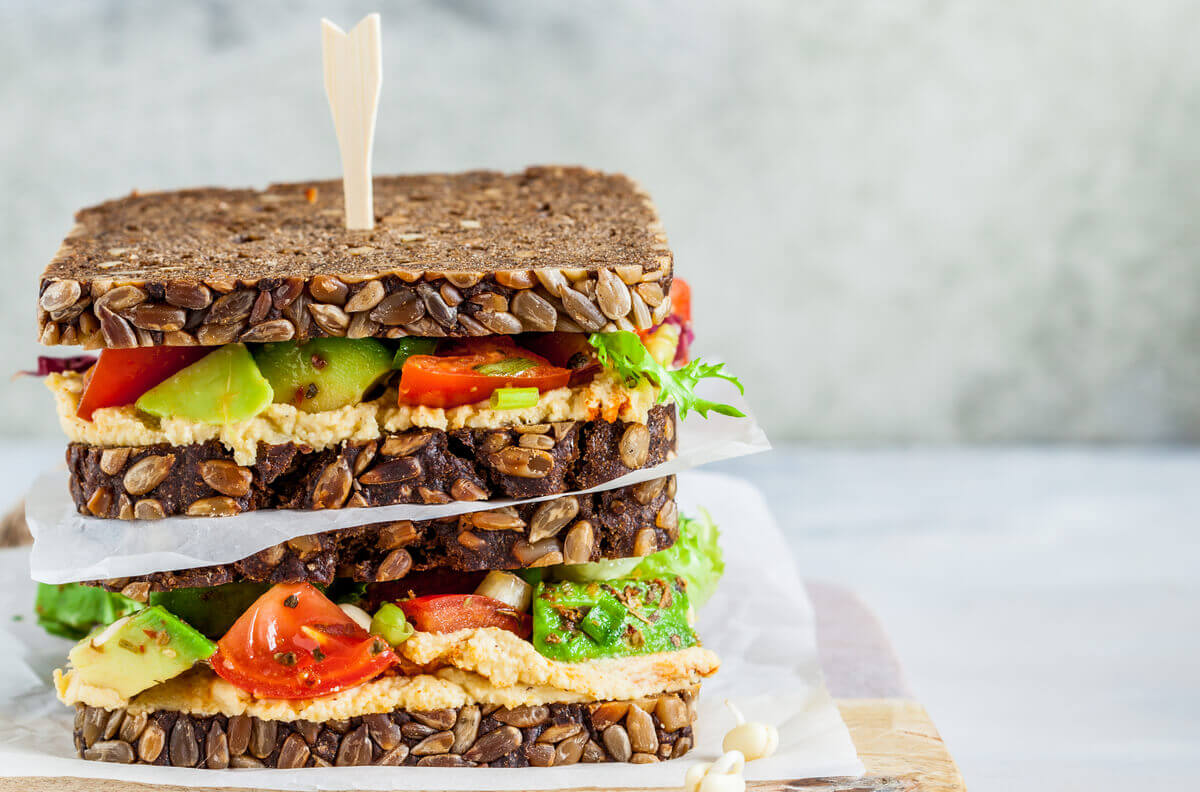
Consistency builds results. Writing a balanced diet grocery list weekly creates routine. Over time, shopping becomes automatic. You naturally head toward whole foods instead of processed ones. Meal planning goes hand in hand with your list. When breakfast, lunch, and dinner are mapped out, stress declines.
In addition, involve the family. When children help create the grocery list for a healthy diet plan, they learn responsibility and nutrition basics. Spouses or roommates also stay engaged, making healthy eating a team effort. Small actions repeated over months transform health.
Frequently Asked Questions
Q: How often should I update my nutritious meal shopping list?
A: You should update your balanced diet grocery list every week. Seasonal produce changes often, and rotating items keeps meals interesting. Regular updates also help you take advantage of sales and ensure freshness.
Q: Can I use a balanced diet grocery list for meal prepping?
A: Yes, a grocery list is one of the best tools for meal prepping. By planning ahead, you can buy the exact portions of proteins, grains, and vegetables you need. This reduces food waste and makes cooking more efficient.
Q: What are some healthy pantry staples to always keep on the list?
A: Essential pantry staples include canned beans, lentils, oats, brown rice, olive oil, and herbs or spices. These items last a long time, cost little, and can turn fresh produce into quick, balanced meals.
Q: How do I adjust a balanced diet grocery list for weight loss?
A: For weight loss, focus on low-calorie, nutrient-dense foods such as leafy greens, lean proteins, and high-fiber grains. Avoid sugary drinks and processed snacks. A grocery list for healthy diet plan built around portion control and whole foods will naturally support weight management.
Q: Is it better to buy fresh or frozen items for a balanced diet grocery list?
A: Both fresh and frozen foods can be part of a healthy diet grocery list. Fresh produce is ideal when in season, but frozen fruits and vegetables are just as nutritious. They also reduce waste since they last longer in the freezer.
Explore How Intermittent Fasting Helps Men Lose Weight.
Final Thoughts On Wellness Grocery List At Any Age
At every stage of life, a balanced diet grocery list provides structure and direction. It saves time, cuts costs, and supports better nutrition. By customizing your list for children, adults, or older people, you meet unique needs while keeping meals balanced. Furthermore, sticking to your grocery list ensures consistency and reduces temptation.
Ultimately, the path to wellness begins in the grocery store. A simple list becomes a powerful tool for energy, strength, and longevity. No matter your age, choosing wisely today shapes a healthier tomorrow. Start your next shopping trip with a healthy diet grocery list and experience the benefits in every meal.