The Best Weight Loss Strategies for Women: What Really Works
When it comes to achieving and maintaining a healthy body, the best weight loss strategies for women go beyond diet fads and extreme workouts. For long-term results, women need practical, science-backed methods tailored to their unique physiology and lifestyle. From understanding hormonal influences to building sustainable habits, this guide breaks down what truly works. Whether you’re aiming to shed a few pounds or start a full-body transformation, the strategies below offer a clear and empowering path to success.
Understanding the Female Body and Weight Loss
Before jumping into any plan, it’s essential to understand how a woman’s body responds to weight loss. Hormones like estrogen, progesterone, and insulin play key roles in metabolism, fat storage, and hunger. These hormones fluctuate throughout the month and over the years. This is especially true during perimenopause and menopause.
Because of these changes, women often experience plateaus or slower progress compared to men. However, knowing how to work with your body, not against it, can make all the difference. Choosing the best weight loss strategies for women means accounting for these natural shifts and adapting your routine as needed.
Explore Weight Loss Myths: Debunking Misconceptions.
Caloric Deficits: A Core Weight Loss Strategy for Women
Crash diets promise quick results, but they often lead to weight gain and muscle loss. A more effective approach is creating a moderate caloric deficit. This means eating slightly fewer calories than your body needs while maintaining proper nutrition.
Use a calorie tracking app to monitor intake, but avoid obsessing over every bite. Focus on consistency rather than perfection. Many women succeed by reducing portions, cutting sugary drinks, and limiting ultra-processed foods. Transitioning to whole foods can also reduce calorie intake without increasing hunger.
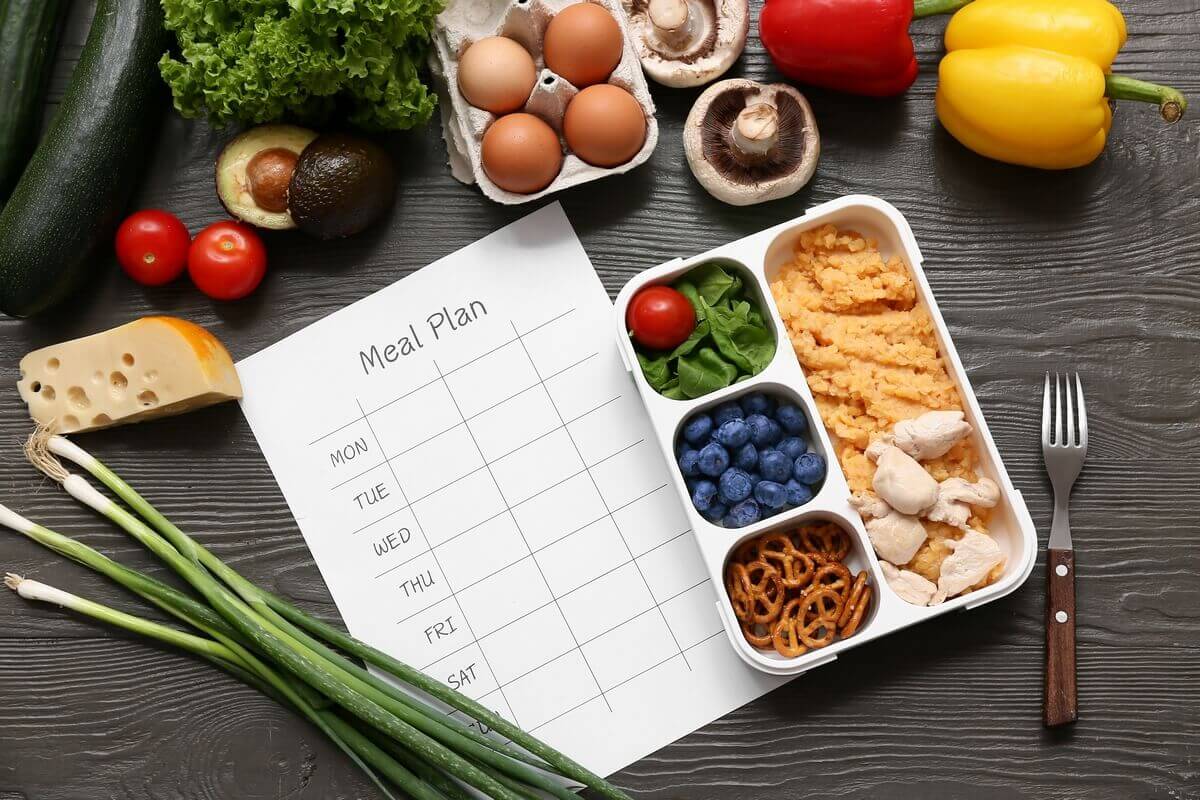
Why High-Protein Meals Are Among the Best Weight Loss Strategies for Women
Protein is a powerhouse for weight loss. It keeps you full longer, supports lean muscle, and boosts metabolism through the thermic effect of food. That means your body burns more calories digesting protein than it does carbs or fats.
Women aiming for fat loss should consume at least 0.8 to 1.2 grams of protein per pound of lean body mass. Include protein with every meal. Eggs for breakfast, chicken or tofu at lunch, Greek yogurt as a snack, and fish or legumes for dinner. This strategy supports muscle maintenance and reduces cravings.
Strength Training: One of the Top Weight Loss Strategies for Women
Cardio alone isn’t the most efficient method for fat loss. Strength training, on the other hand, helps build lean muscle. Muscle burns more calories at rest, so you boost your resting metabolic rate and improve body composition.
Unfortunately, many women avoid lifting weights due to outdated myths about getting bulky. In reality, women typically don’t produce enough testosterone to bulk up easily. Instead, strength training helps tone the body, increase confidence, and support long-term fat loss. Starting with two or three sessions per week can make a noticeable difference.
Whole-Food Eating: A Natural Weight Loss Strategy for Women
One of the most sustainable weight loss strategies for women is shifting toward a whole-foods-based diet. This includes fruits, vegetables, lean meats, legumes, nuts, seeds, and whole grains.
Whole foods are nutrient-dense and more satisfying than their processed counterparts. They help regulate blood sugar, reduce inflammation, and support hormonal balance. Over time, your taste buds will adapt. You’ll start craving healthier options naturally. Transitioning doesn’t have to be drastic. Start by replacing one processed meal a day with a whole-food alternative.
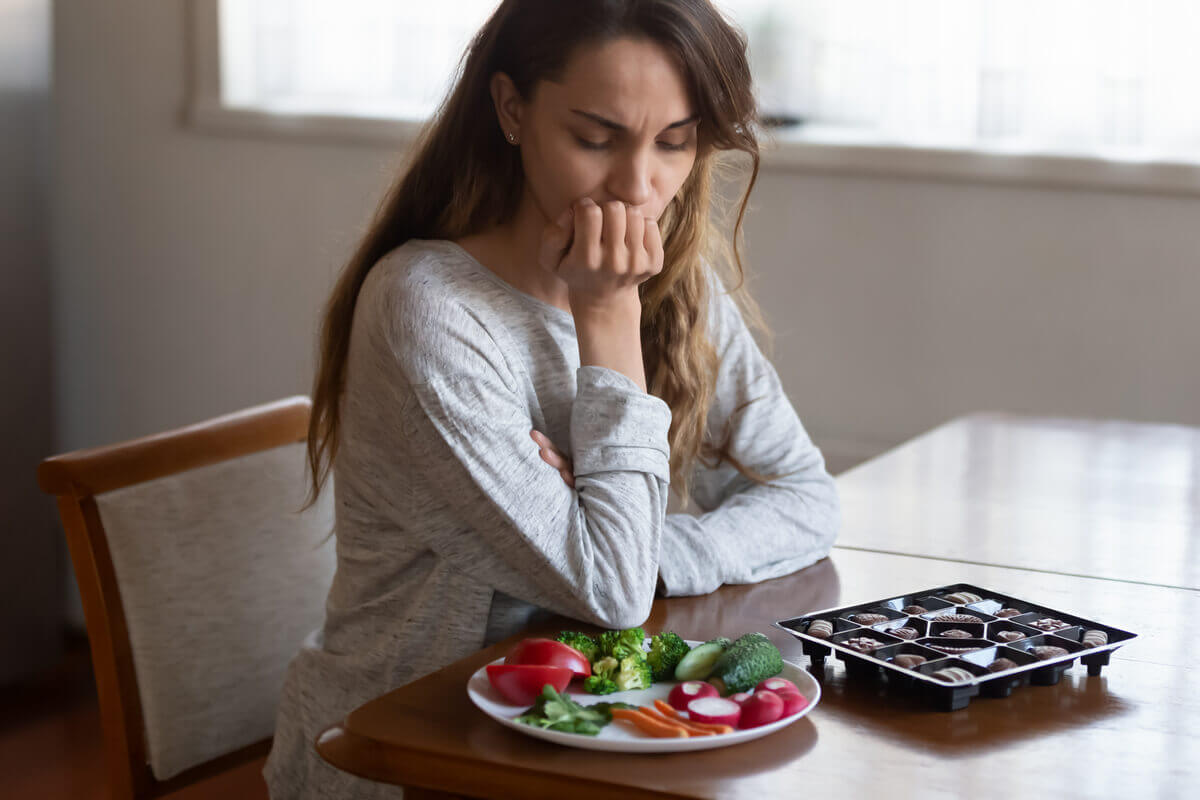
Emotional Eating and Stress Management for Effective Weight Loss in Women
Stress, boredom, and emotional triggers can lead to overeating, especially in women. Cortisol, the stress hormone, also contributes to belly fat storage and sugar cravings. To combat this, it’s essential to build emotional resilience and create non-food outlets for stress.
Try journaling, meditating, walking, or calling a friend when cravings hit. Being aware of emotional eating patterns is the first step to managing them. Long-term success often comes from addressing mental health and developing coping strategies alongside physical habits.
Tracking Progress Without the Scale: A Smart Weight Loss Strategy
Relying solely on the scale can be misleading. Water retention, hormonal fluctuations, and muscle gain can mask fat loss. Instead, use multiple tools to measure success. Consider photos, clothing fit, body measurements, and energy levels.
Women who focus only on weight can become discouraged. This often leads to quitting. A broader view allows for better motivation and long-term consistency. Remember, body recomposition – losing fat while gaining muscle – won’t always reflect dramatic scale changes, but it transforms how you look and feel.
Check out How to Measure Weight Loss Beyond the Scale.
Quality Sleep as One of the Best Weight Loss Strategies for Women
Sleep is one of the most underrated best weight loss strategies for women. Poor sleep disrupts hunger hormones like ghrelin and leptin. This makes you more likely to overeat. It also reduces your ability to resist cravings and stay consistent with workouts.
Aim for at least 7 to 9 hours of sleep each night. Create a relaxing bedtime routine. Avoid screens before bed and keep your sleep environment cool and dark. Prioritizing sleep can make every other strategy more effective.

Hydration Habits That Support Weight Loss Strategies for Women
Drinking enough water boosts metabolism, reduces hunger, and supports digestion. Many women mistake thirst for hunger, leading to unnecessary snacking.
Start your day with a glass of water and aim to drink consistently throughout the day. Herbal teas and water-rich foods like cucumbers or watermelon also contribute to hydration. If you’re active, increase your fluid intake to compensate for sweat loss. Staying hydrated is a simple yet powerful tool in your weight loss journey.
Carbohydrate Balance in Healthy Weight Loss Strategies for Women
Carbohydrates aren’t the enemy. In fact, healthy carbs, such as sweet potatoes, brown rice, quinoa, and berries, provide fiber, energy, and essential nutrients.
Instead of cutting out carbs entirely, focus on balancing your macronutrients. A well-rounded plate includes protein, healthy fats, and smart carbs. This balance helps stabilize blood sugar and prevents energy crashes. Low-carb diets work for some women. However, long-term success usually comes from moderation, not elimination.
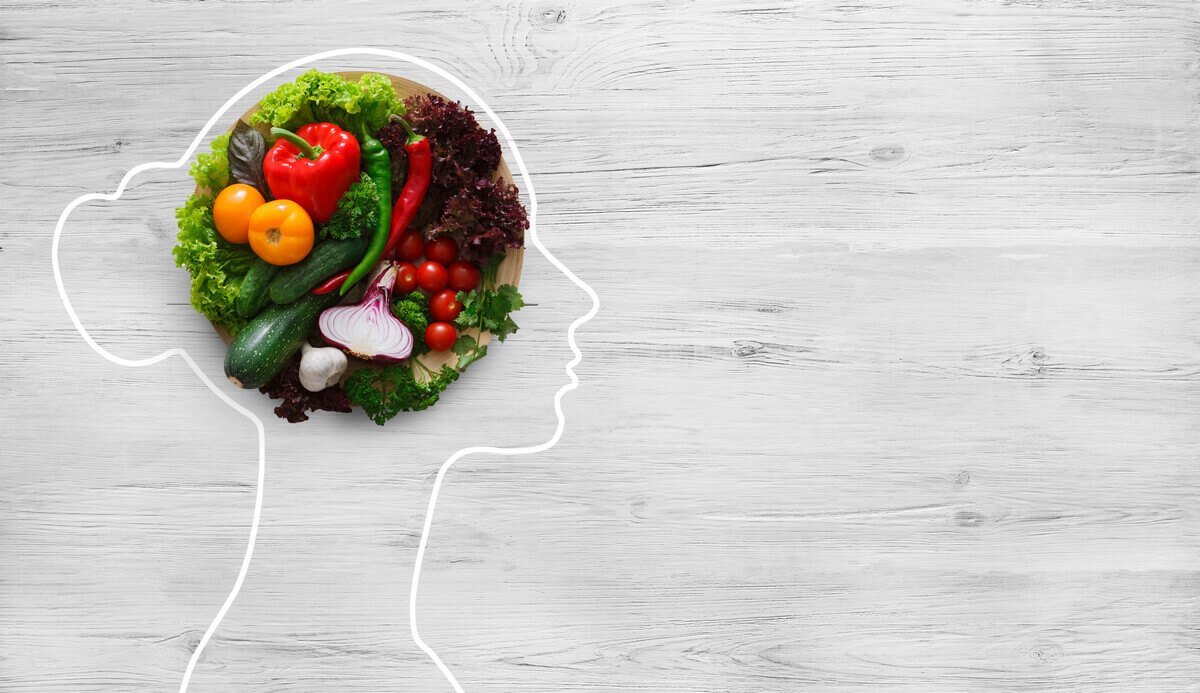
Mindful Eating: A Simple Yet Powerful Weight Loss Strategy
Mindful eating helps you reconnect with your hunger and fullness cues. Many women eat on autopilot, often while distracted by phones or television. Slowing down during meals allows you to enjoy food, recognize satisfaction, and avoid overeating.
Chew slowly, savor every bite, and avoid multitasking during meals. Pausing halfway through your plate to check your fullness level can prevent overconsumption. This simple habit encourages a better relationship with food and supports consistent weight loss.
Social Support Systems That Boost Weight Loss Strategies for Women
Social support can significantly improve your weight loss outcomes. Whether it’s a friend, coach, or online community, having someone to share your journey with increased accountability and motivation.
Women who involve others in their goals are more likely to stay on track. You don’t need a massive network. Even one supportive person can make a big difference. Celebrate wins together, troubleshoot setbacks, and keep each other inspired along the way.
Meal Prep as a Practical Weight Loss Strategy for Busy Women
Meal planning eliminates guesswork, reduces impulsive eating, and helps you stay on track with your nutrition goals. When healthy options are available and convenient, you’re less likely to reach for fast food or snacks.
Take time each week to plan your meals and prep ingredients. Cook in bulk, store meals in portions, and carry snacks when you’re on the go. The more prepared you are, the easier it becomes to follow through. This habit can save you time, money, and calories over time.
Why Skipping Meals Hurts Long-Term Weight Loss Strategies
Skipping meals can backfire. Many women skip breakfast in an attempt to cut calories, but this often leads to overeating later in the day. A balanced breakfast helps kickstart metabolism and sets a positive tone.
Include protein, fiber, and healthy fats in your first meal. This combo keeps you full and satisfied, reducing the chances of bingeing later. Starting the day with proper nutrition also helps regulate blood sugar and improves focus and energy.
Tailoring Weight Loss Strategies to Your Age and Hormones
Weight loss strategies aren’t one-size-fits-all. What works for a 25-year-old may not work for a woman in her 50s. Hormonal shifts, metabolic changes, and lifestyle factors all influence your needs.
If you’re postpartum, perimenopausal, or navigating menopause, consider speaking with a healthcare provider. They can guide you through customized weight loss strategies for women based on your hormones, health conditions, and goals. Personalization often makes all the difference.
Consistency Over Perfection in the Best Weight Loss Strategies for Women
Perfection is not the goal. Consistency is. Life will always bring events, holidays, stress, and challenges. The key is staying on track most of the time and bouncing back quickly when life gets in the way.
Missing a workout or having an indulgent meal won’t derail your progress. What matters most is your overall pattern. Use setbacks as learning experiences. Don’t use them as excuses. Adopting this mindset allows you to keep going without guilt or shame.
Prescription Weight-Management Options for Women
For women who haven’t achieved sufficient results with nutrition, activity, and behavior change alone, certain injectable prescription therapies may offer additional support.
How they work
These therapies mimic gut hormones that help regulate appetite and blood sugar. They can slow gastric emptying, enhance fullness, and reduce cravings, which may make a reduced-calorie plan easier to follow. Most are once-weekly injections; your clinician will determine the dose and schedule.
Who they may be for
They’re typically considered for adults with:
- BMI ≥30, or
- BMI ≥27 with a weight-related condition (e.g., insulin resistance, hypertension, or PCOS).
They’re not a quick fix and work best when paired with nutrition, physical activity, sleep, and behavior strategies. Coverage varies by insurer and plan; prior authorization is often required.
Safety notes
These prescriptions aren’t appropriate for everyone. A clinician will review your medical history, current medications, and potential risks (e.g., certain endocrine conditions, GI disease, or pregnancy plans) and monitor labs and side effects over time.
If you’re considering prescription support as part of a comprehensive weight-management plan, talk with your healthcare professional to see what’s appropriate for your goals and health profile.
Frequently Asked Questions (FAQ)
Q: What is the most effective weight loss strategy for women over 40?
A: The most effective strategy combines strength training, a high-protein whole-food diet, and hormonal balance support. As metabolism slows and hormones shift, it’s crucial to focus on building muscle, managing stress, and reducing processed foods. Sleep and consistency also become even more important after 40.
Q: How much weight can women realistically lose per week?
A: A healthy and realistic weight loss goal is 0.5 to 1.5 pounds per week. This rate supports fat loss while preserving muscle mass. Rapid weight loss often results in water and muscle loss, which can slow metabolism and lead to weight regain.
Q: Is cardio or strength training better for women trying to lose weight?
A: Both are beneficial, but strength training offers a longer-term advantage by increasing resting metabolism. Cardio burns more calories during the workout, while strength training helps you burn more calories at rest. A balanced plan should include both.
Q: Can women lose weight without counting calories?
A: Yes, many women lose weight by focusing on portion control, eating whole foods, and listening to hunger cues. While calorie tracking can help initially, mindful eating and smart food choices often lead to lasting results without constant logging.
Q: Do hormones really affect a woman’s ability to lose weight?
A: Absolutely. Hormones like estrogen, insulin, cortisol, and thyroid hormones impact fat storage, hunger, and energy levels. Life stages such as pregnancy, perimenopause, and menopause can slow weight loss. Tailoring strategies to your hormonal state can make a big difference.
Conclusion: Making the Best Weight Loss Strategies for Women Work for You
At the end of the day, the best weight loss strategies for women are the ones you can stick to. There’s no magic pill or single diet that works for everyone. Instead, it’s about building habits that support your body, your lifestyle, and your long-term goals. By understanding your unique physiology, prioritizing sleep and protein, strength training, and staying consistent, you create a blueprint for lasting success.
Let these strategies guide you, but make them your own. Empower yourself with knowledge. Build a routine that feels good. Surround yourself with people who support your journey. The path to wellness is personal, and it is absolutely possible.