TRT For Bodybuilding: Its Role In Muscle Growth
If you lift seriously, you have likely heard debates about TRT for bodybuilding. Some lifters say it fixes stubborn plateaus. Others warn that it is not a shortcut. Both views hold pieces of truth.
However, the full picture needs context. Testosterone replacement therapy is a medical treatment for clinically low testosterone, not a mass-gaining hack for healthy people. Nevertheless, when a qualified clinician treats a genuine deficiency, energy, recovery, and training quality can improve. As a result, muscle gain may feel easier and more predictable.
In this guide, we break down how TRT for bodybuilding interacts with training, nutrition, recovery, and health. Moreover, we cover realistic expectations, safety, and common myths so you can make informed decisions with your doctor.
What TRT For Bodybuilding Is And What It Is Not
Testosterone replacement therapy replaces hormones to a healthy physiological range when the body produces too little. Therefore, TRT for bodybuilding should always start with diagnostic labs and a careful medical history. It aims to relieve symptoms such as fatigue, low libido, depressed mood, and poor recovery. In turn, better recovery can support training.
However, TRT for bodybuilding is not the same as using high-dose anabolic steroids for rapid mass. Instead, the goal is normalization, not supraphysiological levels. Because of that, expectations must remain realistic. You will still need smart programming, good sleep, and consistent nutrition. Otherwise, you will waste the potential benefits.
How TRT For Bodybuilding Influences Muscle Growth
Testosterone supports protein synthesis, satellite cell activity, and muscle fiber repair. Consequently, normalized levels can improve training output, work capacity, and recovery. In addition, testosterone supports red blood cell production, which may help endurance between sets. While that sounds simple, TRT for bodybuilding works best when you pair the therapy with progressive overload. Furthermore, strong nutrition and stress control amplify the effect.
Testosterone Replacement Therapy for Muscle Gain

Who Might Consider TRT For Bodybuilding
You might discuss TRT for bodybuilding with a clinician if you have persistent symptoms of low testosterone and repeated morning labs confirm low levels. For example, low mood, low drive, poor sleep, and slow recovery can signal a problem. However, many lifestyle issues mimic low T. Therefore, a doctor should rule out sleep apnea, low calorie intake, overtraining, thyroid issues, and medications. Only then does proper treatment make sense.
TRT For Bodybuilding Vs Steroids
Many people confuse TRT for bodybuilding with steroid cycles. In reality, medical TRT targets a healthy range, while non-medical cycles often exceed it. As a result, the risk profile changes. Under medical supervision, you monitor blood counts, lipids, and blood pressure. Meanwhile, unmonitored cycles raise risks for the heart, liver, and mental health. Therefore, if you need treatment, you should work with a qualified clinician and avoid self-medicating.
Results To Expect From TRT For Bodybuilding
When a lifter with proven deficiency begins TRT for bodybuilding, the first changes usually show up in energy, mood, and sleep. Soon after, training volume and bar speed may improve. Consequently, hypertrophy blocks become more productive. Still, genetics, training age, and adherence drive outcomes. Although some people respond quickly, others see gradual changes over months. In brief, think “steady progress” rather than “overnight transformation.” Moreover, remember that improved recovery sometimes encourages extra volume; you still need deloads.
Delivery Methods And Medical Oversight For TRT For Bodybuilding
Clinicians may prescribe injections, gels, or patches. Each route has pros and cons for convenience, stability, and side effects. Because individual response varies, the best TRT for muscle growth is not a single product; it is the medically appropriate plan that maintains you within a healthy range with minimal side effects. Therefore, TRT for bodybuilding should include regular lab work, symptom tracking, and dose adjustments when necessary. In addition, you should promptly report any unusual symptoms.

Programming Training While On TRT For Bodybuilding
Once health is managed, training drives outcomes. Consequently, TRT for bodybuilding pairs best with structured programming.
- Emphasize progressive overload. Add load, reps, or sets with intent.
- Prioritize compound lifts. Squats, deadlifts, presses, and pulls build most mass.
- Use smart volume. Aim for hard but sustainable work, then assess recovery.
- Periodize. Rotate hypertrophy, strength, and deload weeks.
- Track data. Because you recover better, you might tolerate slightly more volume, but you should raise it gradually.
Moreover, keep reps in reserve honest. While you may feel stronger, overreaching still stalls growth. Therefore, test small increases and watch sleep, soreness, and motivation.
Nutrition Principles That Amplify TRT For Bodybuilding
Even with TRT for bodybuilding, nutrition makes or breaks progress. First, hit daily protein. Aim for a protein target that spreads across meals, and include leucine-rich sources like eggs, dairy alternatives, meat, or tofu. Second, manage calories. If you want size, eat a modest surplus. If you prefer recomposition, eat near maintenance and let improved training quality do the work. Third, fuel with carbs around sessions. Carbs support hard sets and help refill glycogen. Finally, include healthy fats for hormones and satiety.
Moreover, hydration matters. Because intense training increases sweat losses, add electrolytes on hot days. As a result, pump and performance stay reliable late in the session.
Health Monitoring And Possible Side Effects
Because therapy can influence multiple systems, TRT for bodybuilding requires monitoring. Doctors typically check hematocrit, lipids, liver enzymes, and blood pressure. In addition, they review sleep quality and mood. Some people notice acne or oily skin. Others experience water retention. Importantly, TRT can suppress fertility by reducing natural sperm production. Therefore, men who want children should discuss preservation strategies before treatment. Although risks differ by person, regular follow-up reduces surprises.
Legal And Ethical Considerations For TRT For Bodybuilding
If you compete in a drug-tested sport, TRT for bodybuilding may not be allowed. Most anti-doping bodies restrict testosterone. Therefore, you must understand your federation’s rules and therapeutic use exemptions. Even in untested powerlifting or bodybuilding, you should disclose relevant therapies to coaches and meet directors if rules require it. Because consequences can be severe, do your homework before you start.
Lifestyle Habits That Multiply TRT For Bodybuilding Benefits
Therapy cannot replace the basics. Therefore, pair TRT for bodybuilding with rock-solid habits:
- Sleep 7 to 9 hours. Growth happens when you rest.
- Manage stress. Brief breath work between sets helps you reset.
- Limit alcohol. Recovery and sleep improve when intake is low.
- Move daily. Easy walks boost blood flow and reduce soreness.
Moreover, train with partners who respect recovery. As a result, you will push hard without falling into junk volume.

Supplements That Support TRT For Bodybuilding
You do not need a huge stack. Nevertheless, a few options support training:
- Creatine monohydrate. It improves high-intensity performance and lean mass.
- Vitamin D if deficient. It supports overall health.
- Omega-3s. They may help recovery and heart health.
- Caffeine. It boosts focus and power when used wisely.
However, avoid pills that claim to replace TRT for bodybuilding. If you have a genuine deficiency, you need medical therapy and follow-up, not mystery blends.
Common Myths About TRT For Bodybuilding And Muscle
- Myth 1: TRT guarantees huge gains. In reality, TRT for bodybuilding normalizes hormones; training still does the heavy lifting.
- Myth 2: More testosterone means more muscle forever. Instead, more risk often shows up first.
- Myth 3: TRT is only about looks. Actually, mood, sleep, and general vitality often improve when deficiency is treated.
- Myth 4: You can skip deloads. Although recovery improves, connective tissue and the nervous system still need breaks.
Older Lifters And TRT For Bodybuilding
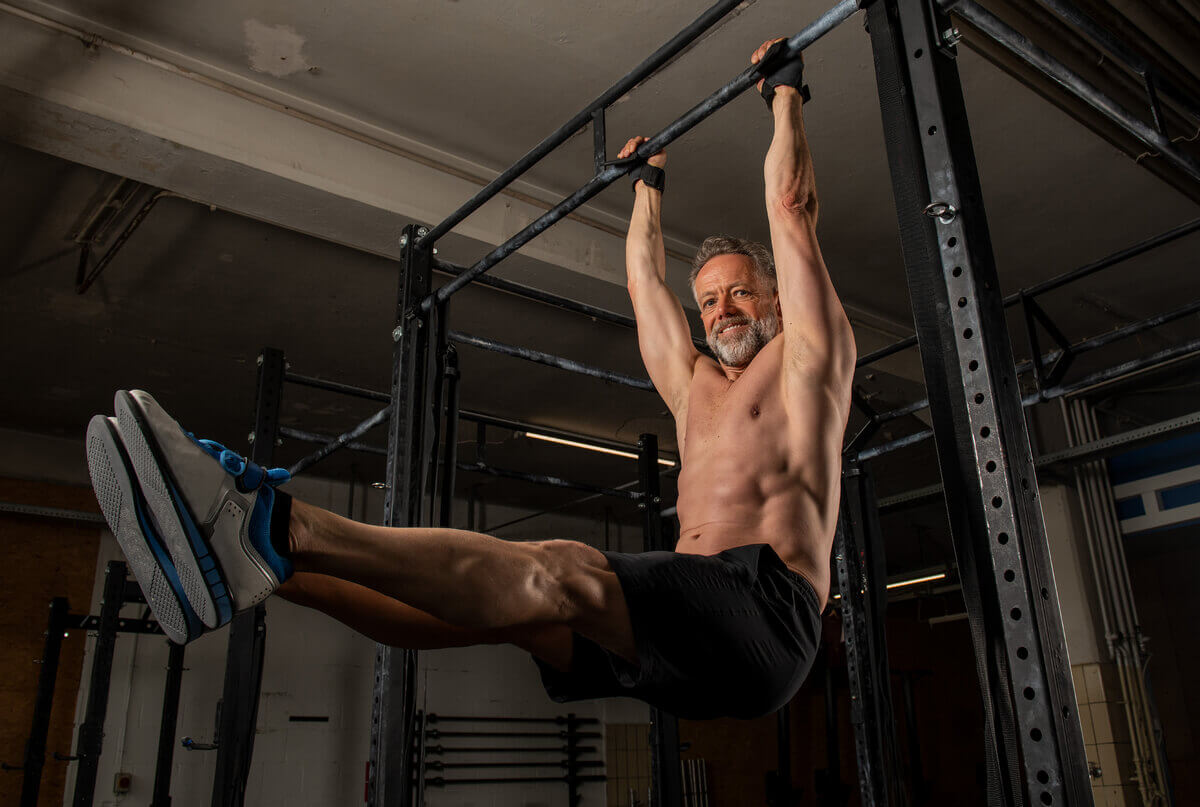
Many masters athletes ask about TRT for bodybuilding because recovery feels slower with age. When true deficiency exists, correcting it can improve training quality, bone density, and motivation. However, older lifters may have more comorbidities. Therefore, monitoring becomes even more important. Moreover, exercise selection should respect joints. As a result, you will keep momentum without flaring aches.
How To Talk To Your Doctor About TRT
A productive medical visit starts with clear goals. Therefore, bring a concise symptom list, training schedule, sleep patterns, and any medications. Ask how TRT for bodybuilding would be evaluated, which labs they order, and how often they monitor you. In addition, ask about fertility, cardiovascular risk, and what lifestyle changes they recommend first. Because shared decisions work best, you should understand the plan, the follow-up schedule, and what success looks like.
What “Best TRT For Muscle Growth” Really Means
People search for the best TRT for muscle growth hoping for a one-size answer. However, the “best” option is the safest, medically supervised plan that restores you to a healthy range and keeps you there. Delivery method, dose, and frequency depend on your labs, symptoms, and preferences. Therefore, you and your clinician should test, adjust, and monitor until you feel well and your labs stay steady. In short, TRT for muscle growth works when it is personalized and responsible.

Sample Week: Train, Recover, Perform
Here is a simple framework that pairs well with TRT for bodybuilding:
- Day 1: Lower Body Strength. Squat focus, hinge accessory, calves, core.
- Day 2: Upper Body Push. Bench focus, overhead press, triceps, delts.
- Day 3: Active Recovery. Easy cardio and mobility.
- Day 4: Lower Body Hypertrophy. Hack squats, RDLs, leg press, ham curls.
- Day 5: Upper Body Pull. Row focus, pull-ups, rear delts, biceps.
- Day 6: Arms and Delts. Pumps, higher reps, short rest.
- Day 7: Rest. Sleep in, walk, stretch.
Moreover, place your highest-carb meals around Days 1, 4, and 5. As a result, you will power through hard sessions and feel better the next morning.
Troubleshooting Your Progress
If TRT for bodybuilding feels underwhelming after several months, step through this checklist:
- Sleep enough. Poor sleep sinks testosterone’s benefits.
- Eat enough. A tiny surplus drives hypertrophy phases.
- Log training. Increase one variable at a time.
- Deload. Every 4 to 8 weeks, back off for a few days.
- Recheck labs. You may need a dose adjustment.
- Manage stress. Daily walks and breath work pay off.
Because progress is multi-factor, a small fix often unlocks a big step forward.
FAQ
Q: Is TRT for bodybuilding legal in tested sports?
A: Usually no. Most federations ban testosterone without strict exemptions. Therefore, you should read your rulebook and ask before you compete.
Q: How fast will I gain on TRT for muscle growth?
A: It varies. However, most people first notice better energy and recovery. As training quality rises, lean mass typically follows over months, not days.
Q: What is the best TRT for muscle growth?
A: The best TRT for muscle growth is the plan that keeps you in a healthy range with minimal side effects under medical care. Therefore, work with your clinician to personalize dose and delivery.
Q: Do I still need deloads on TRT for bodybuilding?
A: Yes. Although recovery improves, connective tissues and your nervous system still benefit from planned breaks. Consequently, deloads protect long-term progress.
Q: Will TRT for bodybuilding hurt fertility?
A: It can suppress sperm production. Therefore, you should discuss fertility plans with your doctor before starting therapy.
Q: Can lifestyle changes fix low T without therapy?
A: Sometimes. Because poor sleep, severe calorie deficits, and overtraining lower testosterone, fixing those can help. Nevertheless, true deficiency still needs medical care.
Q: Does TRT for muscle growth cause water retention?
A: It can for some people. However, your clinician can adjust dosing and monitor labs to reduce unwanted effects.
Putting It All Together
When you treat a genuine deficiency under medical supervision, TRT for bodybuilding can make training feel productive again. You recover better. You push volume with intent. You sleep deeply and eat with purpose. Consequently, muscle and strength trend upward in a steady, sustainable way. Still, therapy is not magic. Because the basics decide your ceiling, you must train hard, follow a plan, and manage stress. In addition, you must monitor health markers and respect competition rules. If you approach TRT for muscle growth with patience and discipline, you set yourself up for long-term progress. In the end, the best TRT for muscle growth is the one that restores your health and lets smart training do its job. And as you keep refining the fundamentals, TRT for bodybuilding becomes a supportive tool rather than the whole story.