The Relationship Between TRT and Exercise
Testosterone is often referred to as the “fuel” that powers physical strength and vitality in men. Yet, as men age, testosterone levels naturally decline, which can lead to a host of issues such as fatigue, reduced muscle mass, and even depression. This is the point at which testosterone replacement therapy (TRT) becomes relevant. But how does TRT therapy connect with exercise? And how does one enhance the benefits of the other? This article dives deep into the relationship between TRT and exercise, focusing on how replacement testosterone therapy can complement your fitness routine and overall well-being.
Introduction to TRT and Exercise
If you’ve ever felt your energy levels drop as you age, or if workouts just don’t give you the results they used to, testosterone could be the missing link. Testosterone replacement therapy (TRT) has become a popular solution for men looking to regain their vitality and improve their exercise performance. But how exactly does TRT affect your workouts? Is it just about more energy, or is there more to the story?
In this article, we’ll uncover the relationship between TRT and exercise and why it might be the key to unlocking a stronger, healthier version of yourself.
What is Testosterone Replacement Therapy?
Testosterone Replacement Therapy involves administering testosterone, either through injections, patches, or gels, to compensate for the natural decline of testosterone levels in men. It’s commonly used by men who suffer from low testosterone levels due to aging, illness, or other factors.
TRT can help increase testosterone to optimal levels, which has a direct effect on various bodily functions like muscle mass, fat distribution, bone density, and mental well-being. In short, it’s not just about boosting energy. It can fundamentally alter the way your body performs in everyday life.
Explore Effects of Testosterone Replacement Therapy.
Common Medications Used in TRT
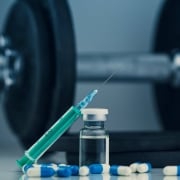
Testosterone replacement can be delivered in several ways. Among the most common are injectable testosterone esters, which release hormone gradually into the bloodstream and are given at regular, clinician-directed intervals. Different ester formulations have slightly different durations of action, which can influence how often injections are scheduled.
In some cases, clinicians may add a fertility-supporting gonadotropin to help maintain testicular function and sperm production, especially in younger patients who wish to preserve fertility.
Dosing schedules, monitoring plans, and add-on therapies should always be personalized and discussed with your prescribing clinician, with regular labs and symptom tracking to guide adjustments.
Check out Reasons a Doctor Would Prescribe TRT Therapy.
How Testosterone Affects Exercise Performance
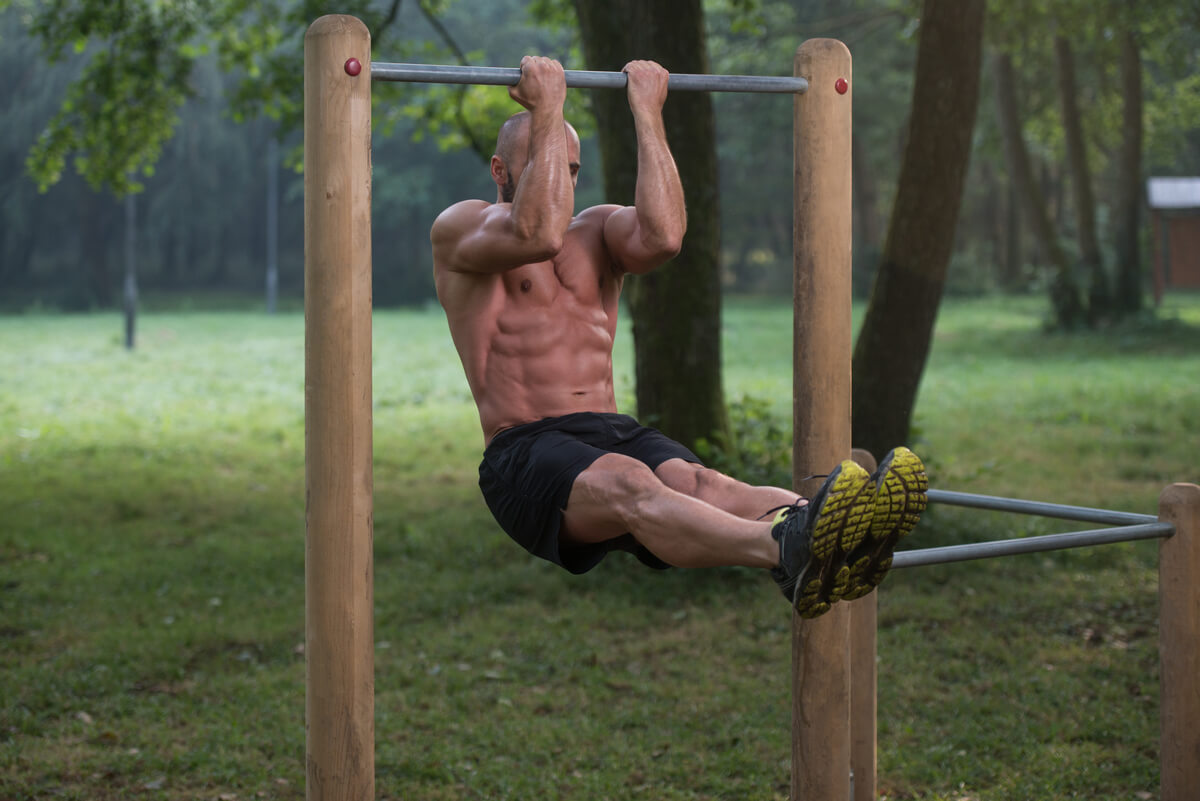
Testosterone is crucial for physical performance. It’s responsible for building muscle, regulating fat, and providing that extra edge during workouts. Men with higher testosterone levels typically have more lean muscle mass and better overall body composition. However, as testosterone levels decline with age, it becomes harder to maintain this level of performance.
This is where TRT therapy can make a big difference. By restoring testosterone levels, it helps to improve muscle mass, strength, and endurance, giving you the ability to push harder during workouts and recover faster afterward.
Benefits of TRT for Exercise
If you’re on TRT and regularly exercising, the benefits can be impressive. Here’s a breakdown of how testosterone therapy for men can enhance your fitness routine:
- Increased Muscle Mass: One of the primary reasons men turn to TRT is to regain the muscle mass they’ve lost over time. When combined with weightlifting or resistance training, TRT can speed up muscle growth.
- Enhanced Fat Loss: Testosterone plays a key role in regulating fat distribution. With TRT, you’ll find it easier to burn fat, especially around the abdomen.
- Improved Strength: Higher testosterone levels lead to improved strength, making it easier to lift heavier weights and achieve new personal bests.
- Better Endurance: Not only does TRT improve muscle mass and strength, but it can also boost endurance, giving you the energy to go the extra mile in your workouts.

Why Exercise is Crucial During TRT
While TRT can provide a significant boost, it’s important to realize that exercise and TRT go hand in hand. Think of TRT as the engine and exercise as the fuel. The more you work out, the more you can maximize the benefits of replacement testosterone therapy. Without exercise, you might not fully experience the physical gains that TRT offers.
Men on TRT who don’t engage in regular physical activity may not see the same results as those who do. Regular workouts, particularly strength training, help your body use the increased testosterone levels more effectively.
Best Types of Exercise for Men on TRT
Not all exercises are created equal when it comes to optimizing your TRT benefits. Here are some of the most effective types of exercises for men on testosterone hormone replacement therapy:
- Weight Training: Lifting weights or doing resistance exercises like squats, deadlifts, and bench presses is ideal for building muscle mass, which is greatly enhanced by TRT.
- High-Intensity Interval Training (HIIT): This type of workout combines short bursts of intense activity with periods of rest. HIIT is great for fat loss and improving cardiovascular health, both of which are enhanced by TRT.
- Cardio: Steady-state cardio, such as running, cycling, or swimming, is important for overall health and endurance. While it might not build muscle like weight training, it can help you stay lean and fit.
TRT and Muscle Growth: A Powerful Combination
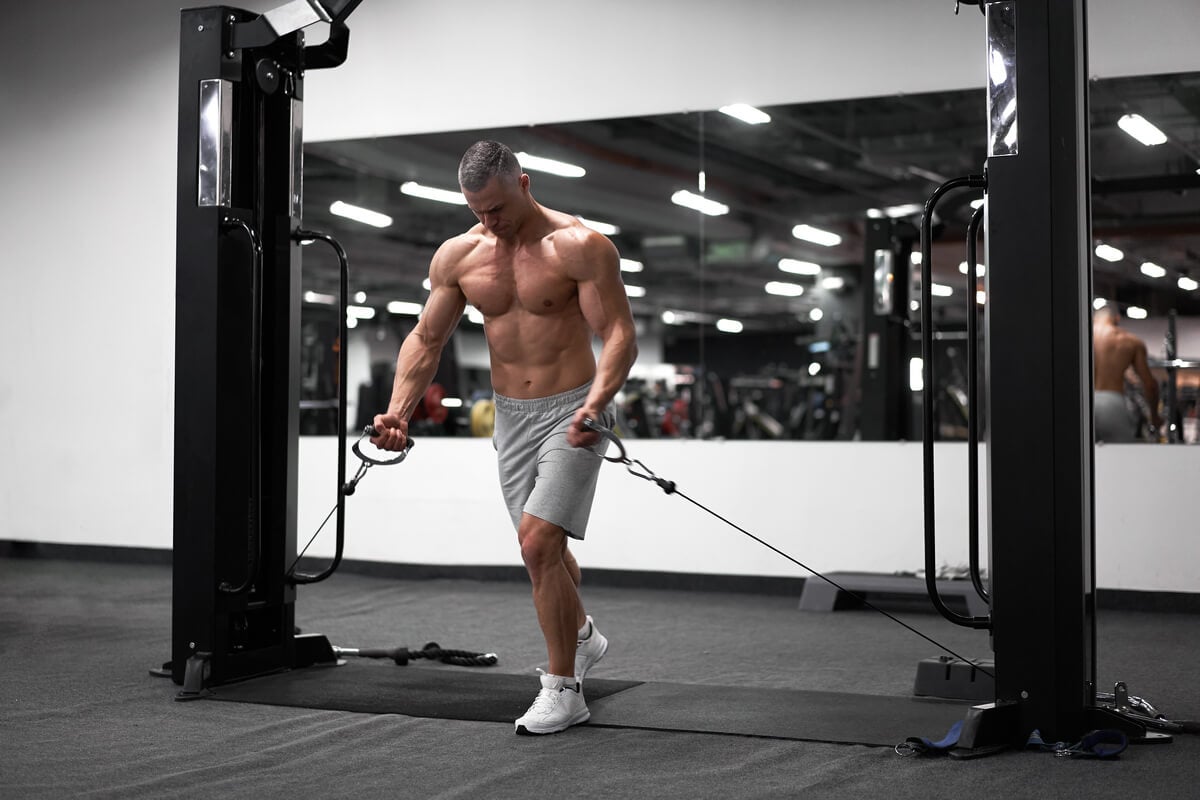
One of the most exciting aspects of TRT for many men is the potential for muscle growth. As testosterone plays a direct role in muscle synthesis, men on TRT often find they can pack on muscle much more easily than before. It’s like having the perfect climate for plants to grow. TRT provides the right conditions for your muscles to flourish, especially when paired with weight training.
Natural testosterone replacement may not offer the same dramatic effects, but for those seeking a more gradual approach, combining natural methods like diet and supplements with exercise can still yield impressive results.
Enhancing Endurance with TRT and Exercise
While TRT is often linked to muscle growth, it also plays a significant role in endurance. Higher testosterone levels improve the efficiency of your cardiovascular system, meaning you can run longer, cycle harder, and push through tougher workouts without hitting the wall as quickly.
If you’ve noticed your stamina decreasing as you age, TRT might be the secret weapon to bringing your endurance back to its peak. Combined with consistent cardiovascular exercise, TRT can help you feel more capable and powerful during your workouts.
How TRT Impacts Recovery After Workouts
One of the underrated aspects of TRT is how it aids in recovery. Following an intense workout, your muscles need to have adequate time to recover and develop. This process is largely driven by testosterone, which signals the body to start rebuilding muscle fibers.
With testosterone hormone replacement therapy, this recovery process is faster and more efficient, meaning you can get back to the gym sooner and keep making progress. Quicker recovery also reduces the risk of injury, allowing you to train harder with fewer setbacks.
If you use ice baths to recover, timing matters. In a 12-week study, men who sat in cold water after each strength session gained less strength and muscle than men who did an active cool-down. Our guide to cold showers and testosterone covers what cold water does and does not do for your hormones.

Diet and TRT: Fueling Your Body for Exercise
While TRT and exercise are a dynamic duo, your diet is the third key component in this equation. To maximize the benefits of TRT and your workouts, you need to fuel your body with the right nutrients:
- Protein: Essential for muscle growth and repair, particularly when you’re on TRT.
- Healthy Fats: Testosterone production is closely linked to fat intake, especially healthy fats like those found in avocados, nuts, and olive oil.
- Complex Carbs: These provide the energy needed for high-intensity workouts and help your body recover afterward.
Proper nutrition not only enhances the effects of TRT but also supports overall health and well-being.
TRT vs. Natural Testosterone Replacement: Which is Better?
For men experiencing low testosterone levels, the question often arises: should you go with TRT therapy or try natural testosterone replacement methods?
While TRT provides fast, noticeable results, natural methods such as improving diet, exercising, and using herbal supplements, can also be effective, particularly for those with only a mild deficiency. However, for men with significantly low testosterone, natural methods may not provide the same dramatic improvement as TRT.
Potential Side Effects of TRT During Exercise
While TRT has numerous benefits, it’s essential to be aware of potential side effects, especially when combined with exercise:
- Fluid Retention: Some men on TRT may experience bloating or fluid retention, which can affect endurance.
- Increased Red Blood Cell Count: TRT can elevate your red blood cell count, leading to potential complications like blood clots during intense exercise.
- Mood Swings: Although TRT often stabilizes mood, some men report irritability, which could impact their motivation for exercise.
Always consult your doctor at Beyoung.Health before starting any testosterone therapy for men and monitor how your body responds.
Tracking Progress: Measuring Results with TRT and Exercise
When undergoing TRT, it’s essential to track your progress, both in terms of your fitness and your overall well-being. Regularly measuring your body composition, strength, and endurance levels will give you a clearer picture of how replacement testosterone therapy is impacting your body.
Use tools like body fat scales, fitness apps, or even old-fashioned progress photos to track your journey.
Conclusion
TRT and exercise go hand in hand to help men reclaim their strength, vitality, and fitness. Whether you’re looking to build muscle, enhance endurance, or simply feel more energized, testosterone hormone replacement therapy can provide the foundation, while exercise amplifies the results. However, like any health intervention, it’s important to do your research, consult your healthcare provider, and approach your fitness journey with balance.
Frequently Asked Questions (FAQs)
Q: How quickly will I see results from TRT combined with exercise?
Most men start seeing noticeable improvements in muscle mass, strength, and energy levels within 3-6 months of starting TRT, especially when paired with regular exercise.
Q: Can I build muscle with TRT alone without exercising?
While TRT helps increase muscle mass, exercising is essential to maximize these gains. Without physical activity, the muscle-building effects of TRT will be limited.
Q: What types of exercise are best for men on TRT?
Weightlifting and resistance training are ideal for building muscle, while HIIT and cardio help improve endurance and fat loss.
Q: Is TRT safe for all men?
TRT is generally safe but isn’t suitable for everyone. It’s crucial to consult your doctor to determine if it’s the right option based on your health profile.
Q: How long do I need to be on TRT to maintain my results?
Once you start TRT, it’s typically a long-term commitment. Your doctor will help you determine the best course for maintaining your testosterone levels and health.