Reasons a Doctor Would Prescribe TRT Therapy
Testosterone replacement therapy (TRT) is a medical treatment used to restore testosterone levels in men who have low testosterone, also known as hypogonadism. This hormone plays a critical role in regulating many essential bodily functions, including muscle mass, bone density, mood, and sexual function. TRT therapy is often prescribed when testosterone deficiency negatively impacts an individual’s quality of life. Below, we explore the most common medical reasons why a doctor would recommend TRT therapy, along with its potential benefits and risks.
Low Testosterone Levels (Hypogonadism)
Low testosterone, or hypogonadism, is one of the primary reasons doctors prescribe TRT. This condition occurs when the body is unable to produce sufficient testosterone, leading to a variety of symptoms. Men can experience hypogonadism due to a range of factors, including age-related testosterone decline, genetic conditions, injury to the testicles, or issues with the pituitary gland.
The condition can be divided into two main types: primary hypogonadism, which involves testicular failure, and secondary hypogonadism, which occurs when there is a problem with the brain’s regulation of testosterone production.
Symptoms of Low Testosterone
Several prominent indicators of low testosterone levels are:
- Chronic fatigue: Men with hypogonadism often feel constantly tired, even after adequate rest.
- Decreased muscle mass: Testosterone is essential for muscle growth and maintenance, and its deficiency can lead to muscle wasting.
- Mood changes: Low testosterone is linked to feelings of depression, irritability, and anxiety.
- Sexual dysfunction: Men with low testosterone may experience reduced libido, erectile dysfunction, and infertility.
- Cognitive difficulties: Some men report difficulties with memory, concentration, and general mental clarity.
TRT for Hypogonadism
For men diagnosed with hypogonadism, TRT therapy is often prescribed to restore testosterone levels to a healthy range. The treatment can come in various forms, including injections, gels, patches, or pellets implanted under the skin. The goal of replacement testosterone therapy is to alleviate the symptoms of low testosterone, leading to improvements in energy, mood, muscle strength, and sexual health. However, regular monitoring by a healthcare provider is crucial to ensure testosterone levels remain balanced and to manage any side effects.
Explore What is Testosterone Replacement Therapy?
Decreased Libido and Sexual Function
A decline in testosterone is often accompanied by a noticeable drop in sexual desire, or libido, which can significantly affect a man’s quality of life. Testosterone is a critical hormone for regulating sexual health, and low levels can lead to reduced interest in sex, as well as difficulties with sexual performance, including erectile dysfunction (ED).

How Testosterone Impacts Sexual Health
Testosterone stimulates receptors in the brain that are responsible for sexual desire and arousal. When testosterone levels drop, these receptors become less responsive, leading to decreased libido. Furthermore, testosterone is essential for the production of nitric oxide, a molecule that helps relax blood vessels and allows blood to flow into the penis, facilitating erections.
TRT and Sexual Function
Doctors often prescribe TRT therapy to men who experience sexual dysfunction related to low testosterone. Restoring testosterone to normal levels through TRT can improve sexual desire and help men achieve and maintain erections more easily. However, it’s important to note that testosterone therapy for men may not address all forms of ED, especially if the root cause is related to cardiovascular health or other non-hormonal issues. In these cases, doctors may suggest additional treatments.
Loss of Muscle Mass and Strength
Testosterone plays a significant role in maintaining muscle mass and strength. As testosterone levels decline, men often experience a decrease in muscle size and strength, even if they continue to engage in physical exercise. This loss of muscle mass can also be accompanied by an increase in body fat, particularly around the abdomen.
Explore Weight Loss Service: Loss of Body Fat with Beyoung Health.

How TRT Helps Restore Muscle Mass
TRT therapy helps to increase testosterone levels, which can lead to improvements in muscle mass and strength. Men on TRT often report enhanced physical performance, better recovery from exercise, and increased stamina. For men who have seen significant muscle loss due to hypogonadism or age-related testosterone decline, TRT can offer a path toward rebuilding muscle and improving overall physical fitness.
Importance of Exercise and Diet in Muscle Maintenance
While TRT can be effective in restoring muscle mass, it’s important for men undergoing therapy to maintain a healthy diet and engage in regular exercise. Resistance training, such as weightlifting, and a diet rich in protein, healthy fats, and vitamins (especially vitamin D and zinc) can support muscle growth and complement the benefits of TRT.
Fatigue and Low Energy Levels
Persistent fatigue and low energy are common complaints among men with low testosterone levels. This fatigue is often described as a lack of motivation, an inability to concentrate, and a general feeling of sluggishness that makes it difficult to perform daily activities.
If tiredness lingers after treatment starts, read why some men stay tired on TRT and which labs help find the cause.
TRT and Energy Levels
Testosterone plays an essential role in regulating energy production. By restoring testosterone levels, TRT can significantly improve overall vitality and mental alertness. Many men report feeling more energetic and capable of handling both physical and mental tasks after beginning TRT therapy.
However, it’s important to consider that fatigue can also result from other factors, such as poor sleep, stress, or underlying medical conditions. For this reason, doctors often perform comprehensive evaluations to determine whether low testosterone is the primary cause of fatigue before prescribing testosterone hormone replacement therapy.
Cognitive Decline and Mood Disorders
Lower testosterone levels can have a considerable impact on mental health. Studies have shown that men with low testosterone are more prone to developing depression, anxiety, and mood instability. In addition to mood disorders, testosterone deficiency can also lead to cognitive difficulties, such as memory loss, trouble focusing, and “brain fog.”
The Connection Between Testosterone and Mental Well-Being
Testosterone influences several areas of brain function, particularly those associated with mood regulation and cognitive abilities. Low testosterone is linked to increased levels of cortisol, the stress hormone, which can exacerbate feelings of anxiety and depression. Additionally, low testosterone may affect the production of dopamine, a neurotransmitter responsible for motivation and pleasure, leading to a decline in overall mood and motivation.
TRT and Cognitive Health
Many men who start TRT therapy report significant improvements in mood and cognitive function. By stabilizing testosterone levels, TRT can help reduce feelings of depression, anxiety, and irritability. Furthermore, testosterone therapy may also enhance memory, concentration, and mental clarity, helping men feel more focused and alert throughout the day.
Osteoporosis and Bone Density Loss
Testosterone plays a vital role in preserving optimal bone density. Men with low testosterone are at increased risk for developing osteoporosis, a condition characterized by weakened bones and an increased risk of fractures. Osteoporosis is more commonly associated with women, but men with hypogonadism or age-related testosterone decline are also vulnerable.

TRT and Bone Health
TRT therapy can help improve bone density by stimulating the production of bone tissue. This is particularly important for older men, who are more prone to bone fractures and osteoporosis-related injuries. By restoring testosterone levels, TRT can help prevent further bone loss and reduce the risk of fractures.
However, for men with advanced osteoporosis, TRT alone may not be sufficient. Doctors may recommend additional treatments, such as calcium and vitamin D supplements or bisphosphonates to strengthen bones and prevent further deterioration.
Treatment of Andropause (Male Menopause)
Andropause, often referred to as “male menopause,” describes the gradual decline in testosterone that occurs in men as they age, typically after the age of 40. This process is slower and less dramatic than menopause in women, but it can still have significant effects on a man’s physical, emotional, and sexual health.
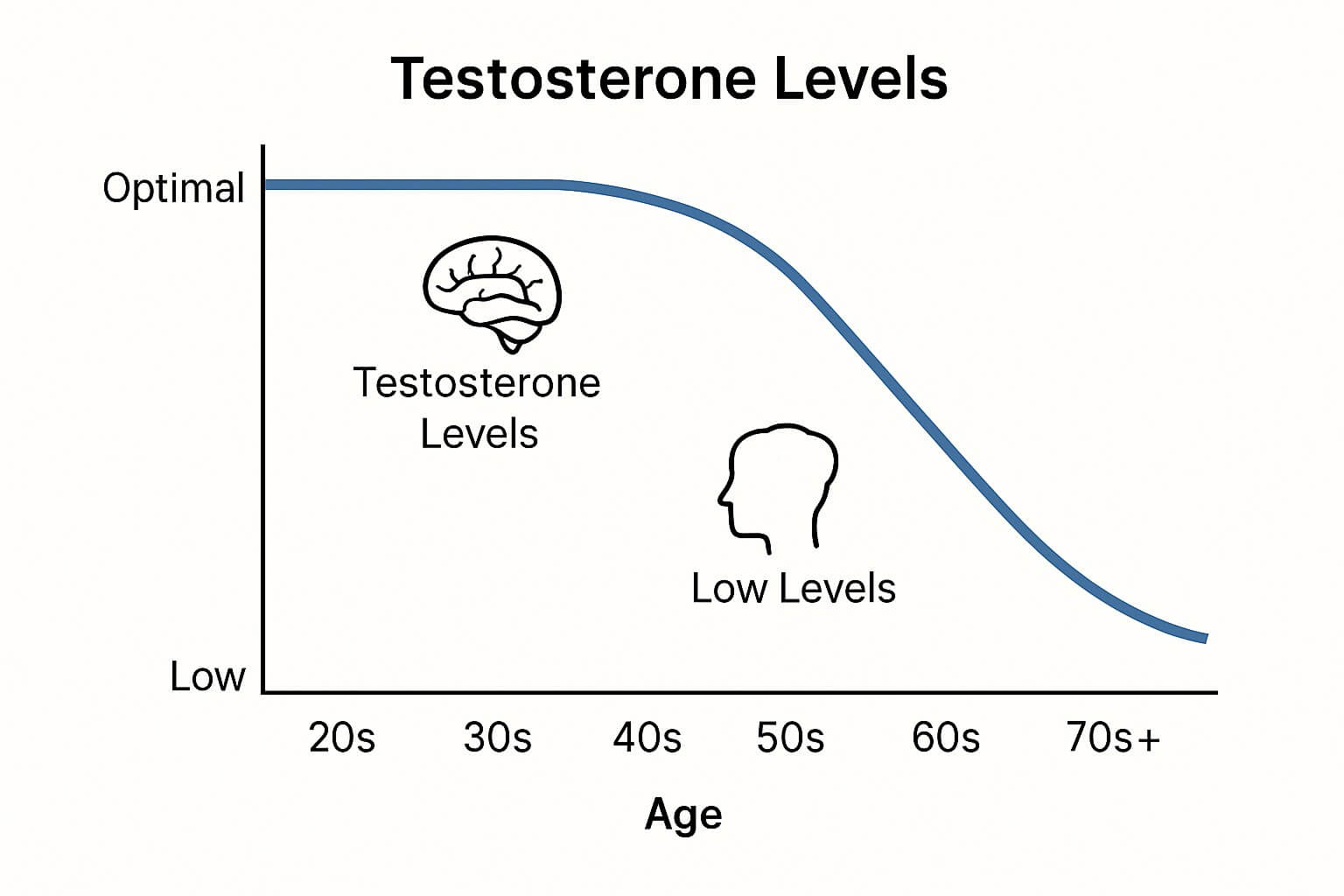
Symptoms of Andropause
The symptoms of andropause are similar to those of hypogonadism and include fatigue, decreased libido, mood swings, weight gain, and muscle loss. Men going through andropause may also experience changes in their sleep patterns and increased irritability.
TRT for Andropause
TRT is often prescribed to men experiencing the effects of andropause to help alleviate symptoms and improve their quality of life. By restoring testosterone levels, TRT can help reverse many of the physical and emotional changes associated with andropause, allowing men to maintain their vitality and well-being as they age.
Testosterone replacement therapy is a valuable treatment option for men with low testosterone levels. Whether it’s improving sexual function, enhancing mood, or helping to maintain muscle and bone health, TRT therapy offers a wide range of benefits. However, like any medical treatment, it’s essential to consult with a healthcare provider to ensure that replacement testosterone therapy is the right choice and to monitor potential side effects.
FAQ: Reasons a Doctor Would Prescribe TRT Therapy
Q: What are the common symptoms of low testosterone that TRT can help address?
Answer: The common symptoms of low testosterone, or hypogonadism, include chronic fatigue, decreased muscle mass, mood changes such as depression and irritability, sexual dysfunction (including low libido and erectile dysfunction), and cognitive challenges such as memory impairment or trouble focusing. TRT is prescribed to help alleviate these symptoms by restoring testosterone levels to a healthy range.
Q: How does TRT improve sexual function in men with low testosterone?
Answer: Testosterone plays a vital role in maintaining sexual health, including libido and erectile function. Low testosterone levels can lead to decreased sexual desire and erectile dysfunction. TRT helps by restoring testosterone levels, which in turn can enhance sexual desire, improve erectile function, and increase overall sexual satisfaction. However, it’s important to consult a doctor since TRT may not address all causes of erectile dysfunction.
Q: Can TRT help with muscle loss and physical fitness?
Answer: Yes, testosterone is essential for building and maintaining muscle mass. Men with low testosterone often experience a reduction in muscle size and strength. TRT therapy helps by increasing testosterone levels, which can lead to improvements in muscle mass, strength, and overall physical fitness. Regular exercise and a healthy diet are also important for maximizing these benefits.
Q: Does TRT improve mood and cognitive function?
Answer: Yes, low testosterone is associated with mood disorders such as depression, irritability, and anxiety, as well as cognitive issues like memory problems and difficulty concentrating. TRT can help stabilize testosterone levels, leading to improvements in mood, mental clarity, and cognitive function. Many men report enhanced mood stability, better focus, and reduced feelings of depression after starting TRT.
Q: How does TRT impact bone health and osteoporosis risk?
Answer: Testosterone is crucial for maintaining bone density, and men with low testosterone are at higher risk for osteoporosis, which weakens bones and increases the likelihood of fractures. TRT therapy can help by stimulating bone tissue production, thus improving bone density and reducing the risk of osteoporosis-related fractures, particularly in older men. However, for advanced osteoporosis, additional treatments may be necessary.