
First 90 Days on TRT: What to Expect Week by Week
The first 90 days on TRT rarely follow a straight line: some changes surface within the first two weeks, others require months to register clearly, and a portion of early sensations reflect adjustment and level fluctuations rather than stable outcomes. This guide covers what clinical evidence and patient experience suggest actually happens in each phase. The goal is a realistic trend to track, not an optimistic timeline to chase.
Before Week 1: What Baseline Matters Before Starting
Before the first dose, your starting point shapes more of what follows than most men expect. Those who enter testosterone therapy with confirmed hypogonadism often notice changes earlier than men with borderline levels, simply because there is more room for measurable improvement.
Baseline assessment is about two things: symptoms and objective data. Recording energy, libido, morning erections, mood, concentration, sleep quality, and exercise recovery helps establish a reference point that labs alone cannot capture. On the laboratory side, total testosterone, free testosterone, SHBG, estradiol, and hematocrit typically form the core panel. Depending on age and risk profile, PSA may also be included. (Read about Testosterone Replacement Therapy and Enlarged Prostate Safety.)
Sleep, weight, and medications all influence this starting point. Poor sleep can suppress the hypothalamic-pituitary-gonadal axis, lowering endogenous testosterone production. Higher body fat increases aromatase activity, which can affect how testosterone is metabolized once treatment begins. Certain medications, including opioids, glucocorticoids, antidepressants, and some antihypertensives, may also influence hormonal balance and response to therapy. Blood pressure is also worth documenting at baseline so later changes can be interpreted in context.

Weeks 1-2: Early Changes and What is Often Placebo, Expectation or Fluctuation
Understanding what to expect first week of TRT requires accepting a counterintuitive premise: not all of the changes you notice this early are pharmacological, and absence of change is equally valid.
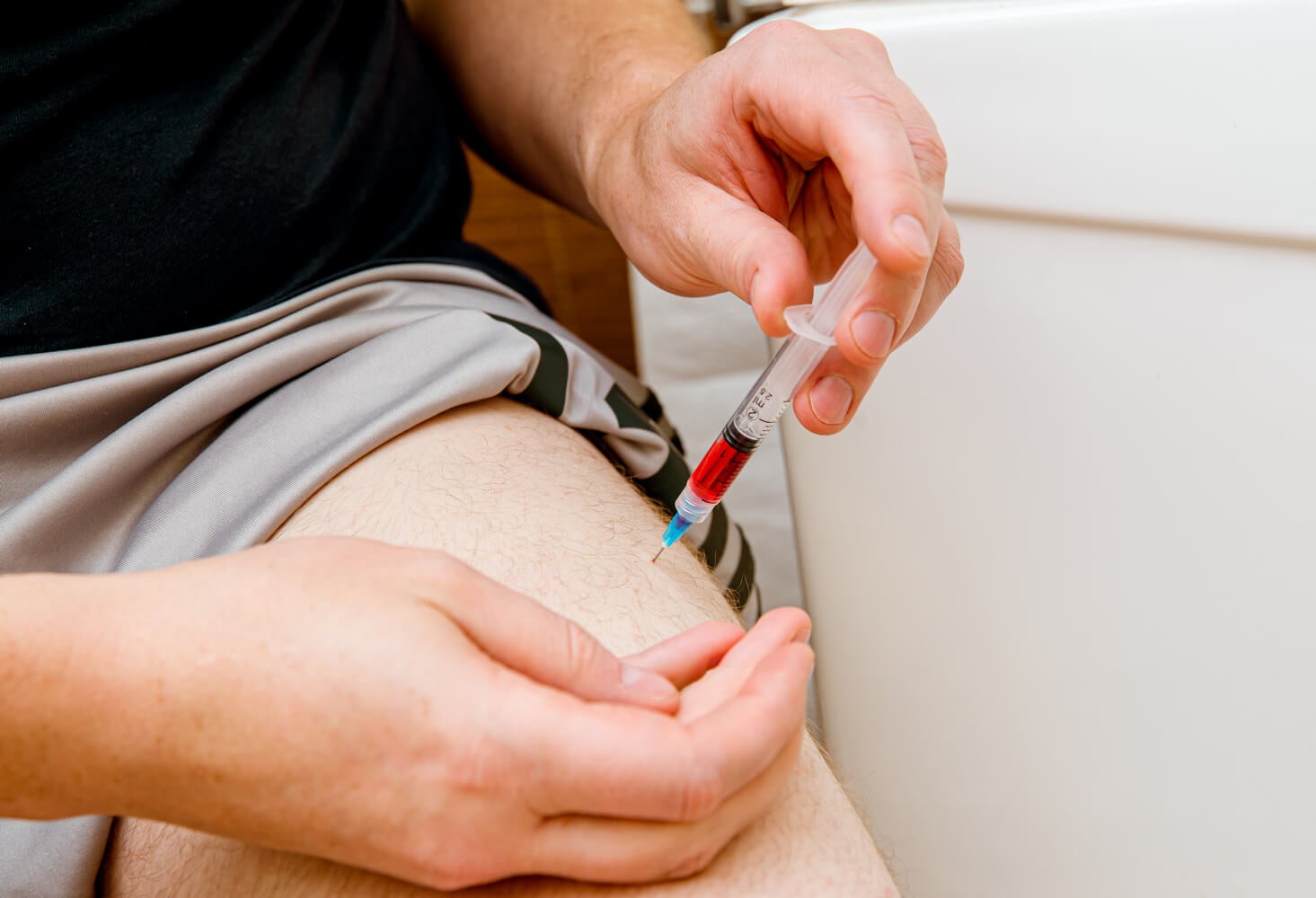
Testosterone begins circulating at therapeutic levels quickly after an injection. Serum values typically rise within 24 to 48 hours of an intramuscular or subcutaneous dose. For topical formulations, the rise is more gradual and takes several days to approach steady-state concentrations.
What May Shift Before Day 14
Some men report a subtle change in mood or mental clarity within the first several days. Testosterone and its metabolites interact with neurotransmitter systems, including dopaminergic and serotonergic pathways, and some of these neurological effects may emerge faster than slower-onset androgenic changes to muscle or erection quality.
A review in the European Journal of Endocrinology summarizing testosterone therapy outcomes suggests that some changes in sexual interest, mood, and overall quality of life may begin to emerge within the first few weeks of treatment. Other effects, particularly those related to sexual function such as erectile response, tend to develop more gradually over several months.
Placebo responses in hormone research are substantial. Controlled studies consistently show smaller early gains than open-label reports. Early positive feelings are real signals, but not confirmation that the dose is correctly calibrated.
Men who notice nothing different at two weeks are within normal clinical range. Absence of early change does not predict how therapy will ultimately perform.
Explore TRT and Exercise: How They Work Together.
Weeks 3-4: Stabilization Begins, But Not For Everyone
By the end of the first month, TRT first month changes become easier to separate from week-to-week fluctuation. For some men, this period marks the first time improvements feel sustained rather than variable.
The Saad et al. review found that effects on sexual interest tend to emerge around the three-week mark, plateauing near six weeks. Mood-related improvements may become detectable within three to six weeks, though individual variation in androgen receptor sensitivity and SHBG levels means neither timeline is universal.
Sleep, Recovery, and Emotional Stability
Men whose disrupted sleep was partly driven by low androgen levels may notice early changes in sleep quality. Time in deeper slow-wave stages may lengthen as levels normalize, and some patients report waking more rested without changing any other sleep variable.
Exercise recovery can shift modestly too. A workout that previously required three days of recovery might register as two. This is an early edge of a process that continues over months.
Clinically, irritability and low frustration tolerance tend to be among the first mood symptoms patients report resolving, often preceding libido recovery by several weeks.
Weeks 5-8: When Patterns Become Easier to Read
This two-month window is where starting TRT what to expect transitions from theoretical to observable. Enough data has accumulated to evaluate trends rather than isolated days.
By week five or six, most men can ask a useful question: am I trending better, holding flat, or experiencing inconsistent results? Inconsistency at this stage often reflects delivery method or timing factors rather than treatment failure.
Estradiol Sensitivity in the Adjustment Period
One of the most common issues to surface in weeks five to eight is increased estradiol levels in susceptible individuals. As exogenous testosterone raises serum levels, a portion undergoes aromatization into estradiol. The rate depends on body fat distribution, genetics, and the specific dose.
Men who are sensitive to estradiol elevation may notice water retention, nipple sensitivity, or mood variability that does not track with injection timing. These are not signs that treatment is not working. They signal that the hormonal picture needs fine-tuning, which is why mid-treatment labs matter. For context on how different delivery methods affect this process, see our overview of testosterone replacement therapy methods and approaches.
Hematocrit and Injection Patterns
Testosterone stimulates erythropoietin synthesis, driving red blood cell production. Hematocrit will typically rise on TRT. For most men in the first eight weeks, this falls within the acceptable clinical range. For some, particularly those with high-normal baseline values, the rise can be faster. A provider who identifies the trend early can adjust before values become a safety concern.
For men using injectable formulations, this window often clarifies how strongly symptoms track with the injection cycle. Noticeable drops in energy before the next scheduled dose signal a trough that may need to be addressed through shorter intervals or a different formulation.
If your labs or symptoms start to follow the injection cycle, here is how injection frequency can change peaks and hematocrit.
Weeks 9-12: First Meaningful Evaluation Point
The TRT timeline first 3 months reaches its first genuine assessment point around week twelve. Earlier evaluations are useful for safety monitoring but capture a moving target. By week twelve, serum levels on most formulations have stabilized enough to give an interpretable clinical picture.
The Endocrine Society’s 2018 Clinical Practice Guideline recommends evaluation at three months following initiation. This covers whether serum testosterone has reached appropriate range, how the patient is responding symptomatically, and the status of safety markers including hematocrit and PSA where indicated.
What Is Realistic at the 90-Day Mark
Men who are responding to treatment by this point may notice sustained improvements in several functional areas: more stable energy across the day, reduced recovery time after training, improved sleep continuity, and more consistent mood. For many, libido and sexual interest may also be clearer by now.
For a detailed look at how libido changes unfold over time, see our article on how TRT affects libido.
Body composition changes take longer. The anabolic effects of testosterone on lean mass require both adequate hormone levels and consistent resistance training to become measurable. The 90-day mark is when that process is typically underway, not when it produces visible results.
If symptoms have not shifted meaningfully by week twelve with levels in therapeutic range, the clinical question shifts to co-existing contributors: thyroid function, sleep apnea, low ferritin, or metabolic factors. Finding them is not failure; it is optimization progressing as it should.

What Not to Expect in the First 90 Days
Rapid, Visible Muscle Gain
Lean body mass does accumulate over months of TRT in men with confirmed hypogonadism who engage in consistent resistance training. The underlying biological process operates on a timeline of months to years. First-90-day transformations are a marketing construct, not a clinical expectation.
Complete Resolution of Fatigue
Some men experience meaningful energy improvement within the first few weeks. Others do not feel that shift clearly until months three through six, particularly when contributing factors like sleep apnea or low ferritin are present. Persistent fatigue at day 90 may reflect a dose that has not yet been optimized or a co-existing issue the initial workup did not identify.
If you are still tired at the three-month mark, our guide to TRT fatigue covers the usual causes, from injection timing and estradiol to low ferritin and sleep apnea, and the labs that help sort them out.
A Steady Upward Line
Hormonal adjustment does not follow a clean trajectory. Weeks where energy or mood regresses are common during the first few months, particularly for men on injectable formulations where the peak-to-trough cycle produces noticeable variation. This variability tends to reduce as the system stabilizes.
Full Resolution of Erectile Dysfunction
Changes in erection quality follow a slower timeline than most other effects. Erection and ejaculation changes may take up to six months to reach maximum expression. Incomplete improvement at 90 days is expected, not a sign that treatment is not working.
Guaranteed Fat Redistribution
TRT may support body composition shifts over time in men who also address caloric balance and lifestyle factors. It does not produce reliable fat loss within 90 days. Weight is influenced by too many overlapping variables for testosterone to override independently.
What to Monitor During the First 90 Days
Structured tracking transforms this period from a waiting phase into useful clinical data.
Symptom Log
Keep a weekly record covering energy level, sleep quality, mood stability, libido, and post-workout recovery. Note when doses are administered. This lets you identify whether symptom variability tracks with your injection schedule, which is information your provider can act on when planning adjustments.
Physical Signs and Lab Monitoring
Water retention, new or worsening acne, nipple sensitivity, and blood pressure changes are all worth noting. None automatically signals a treatment problem, but all inform how your provider times and interprets follow-up labs.
Your licensed provider will schedule bloodwork based on your delivery method, baseline values, and early clinical picture. Markers typically evaluated include total testosterone (drawn at a consistent time relative to your last dose), hematocrit, estradiol, and PSA where indicated. The Endocrine Society’s 2018 guideline positions the three-month mark as the first meaningful assessment interval.
Frequently Asked Questions
What happens in the first week of TRT?
The first week is a pharmacological setup phase, not a transformation window. Testosterone levels begin rising within 24 to 48 hours of an injection, or more gradually with topical formulations. Some men notice a subtle shift in mood or focus. Most do not register significant changes yet. Both outcomes are normal at one week. The first week is not predictive of long-term performance.
How long does TRT take to start working?
It depends on which effect you are tracking. Mood-related changes may become detectable within the first few weeks. Sexual interest tends to emerge around the three-week mark and stabilize near six weeks, based on published clinical review data. Erection quality can take up to six months to reach full expression. Body composition changes typically require six months or more of combined TRT and consistent resistance training to become measurable.
Is it normal to feel up and down during the first month on TRT?
Yes, and it is particularly common for men using injectable formulations. Serum testosterone follows a cycle from post-injection peak to trough. This variation can produce noticeable shifts in energy, mood, and libido in the days before the next injection. Daily topical formulations generally produce more stable serum levels. Documenting the pattern gives your provider data for adjusting frequency or delivery method.
When should labs be repeated after starting TRT?
The Endocrine Society’s 2018 guideline recommends assessment at three to six months following initiation. Timing for individual markers varies. Hematocrit is typically checked at three months. Testosterone levels need to be drawn at a consistent time relative to your last dose to be interpretable. Your licensed provider will schedule labs based on formulation, baseline, and early clinical picture.
What changes usually take longer than 90 days?
Bone mineral density improvements generally require 12 to 24 months of sustained therapy before they register on imaging. Erection quality may continue developing for up to six months. Visible lean mass gains require consistent training alongside adequate testosterone levels and for most men become apparent after month six. Our article on testosterone replacement therapy for muscle gain covers these timelines in detail.
The 90-Day Perspective
The first three months of testosterone therapy are calibration, not transformation. They establish stable levels, identify how your body responds to the formulation and dose, surface early issues with estradiol or hematocrit, and build the clinical picture your provider needs to make the first meaningful adjustments.
Men who treat this period as a data-gathering phase arrive at the three-month assessment better equipped for productive conversations. Those who expect a straight line tend to misread normal variability as failure.
If you are considering TRT in Vancouver and want to understand whether testosterone therapy may be appropriate for your situation, a full clinical assessment including baseline labs is the right starting point.
This content is for informational purposes only and does not constitute medical advice. Testosterone replacement therapy is a prescription treatment requiring clinical assessment and ongoing monitoring by a licensed healthcare provider. Consult a licensed provider before beginning any hormone therapy. Individual results vary based on baseline hormone levels, delivery method, health status, and lifestyle factors.
References
- Onset of Effects of Testosterone Treatment and Time Span Until Maximum Effects Are Achieved – European Journal of Endocrinology (PMC)
- Testosterone Therapy in Men With Hypogonadism: An Endocrine Society Clinical Practice Guideline – Journal of Clinical Endocrinology and Metabolism
- Testosterone Therapy: Potential Benefits and Risks As You Age – Mayo Clinic
- Male Hypogonadism: Diagnosis and Treatment – Mayo Clinic
- Canadian Urological Association testosterone deficiency guideline (PubMed
- European Association of Urology Male Hypogonadism Guideline
- American Urological Association Testosterone Deficiency Guideline (Reviewed 2024)