Hair Thinning At Temples: Causes And Fixes
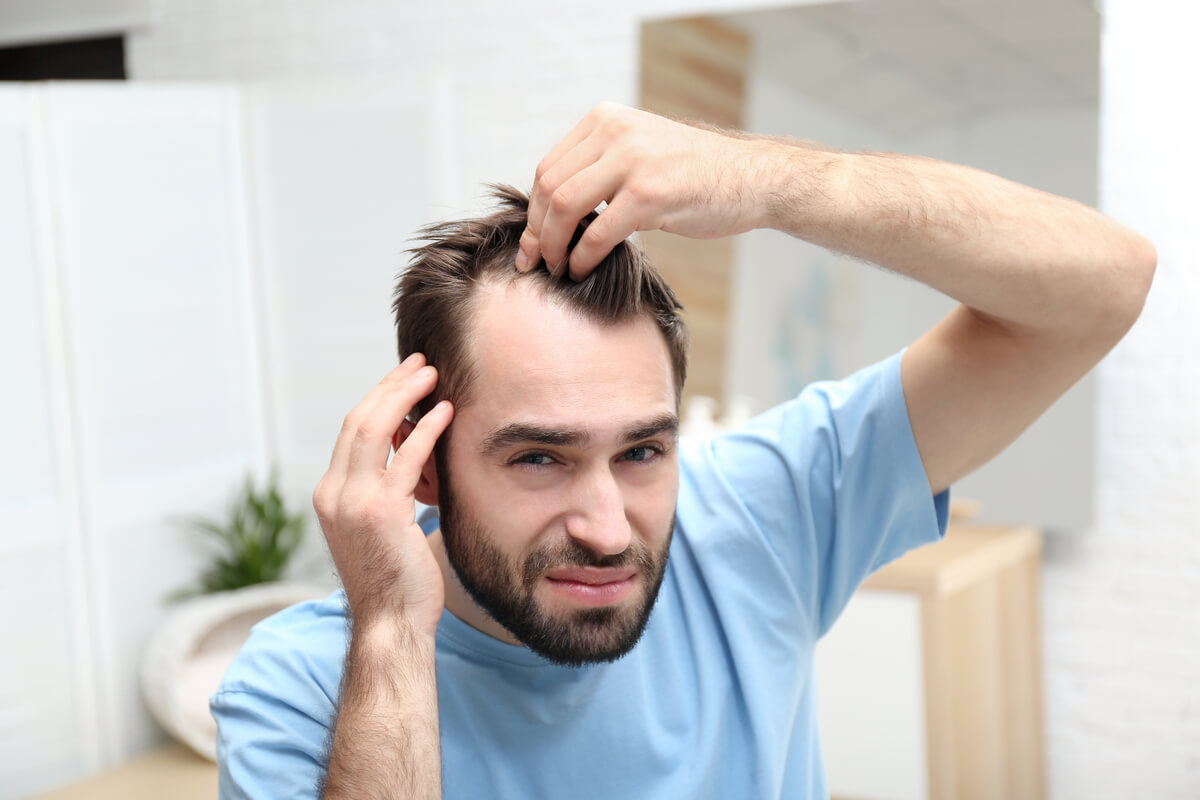
Hair thinning at temples often starts quietly but can have a big emotional impact. For many people, this is the first visible change in their hairline. The temples frame the face, so when hair becomes sparse in this area, it changes the overall appearance. Men may notice a receding “M-shaped” hairline, while women may see widening gaps near the sides of their foreheads.
The temples are particularly vulnerable because the follicles here are highly sensitive to hormones and stress. Once follicles shrink, the hair that grows back appears thinner, weaker, and shorter. Over time, this leads to an uneven hairline that continues to recede.
Addressing hair thinning at temples early is critical. The earlier the intervention, the better the chance of slowing or reversing the process. Many treatments work best when follicles are still active, which makes awareness and education essential.
Common Causes Of Hair Thinning
The reasons for hair thinning at temples are varied. Genetics play the leading role, but other factors often worsen the situation.
- Genetics and hormones: Male and female pattern baldness, also known as androgenetic alopecia, usually starts at the temples. Hormones like dihydrotestosterone (DHT) gradually shrink the follicles. In men, this is the most common trigger. In women, temple thinning is often subtler but still significant.
- Stress and lifestyle factors: Stress triggers a condition called telogen effluvium, which forces hair follicles into a resting phase. This leads to sudden shedding, often visible at the temples.
- Nutritional gaps: Hair needs iron, zinc, vitamin D, and protein to stay healthy. Deficiency in these nutrients makes temple hair fragile and prone to falling out.
- Medical conditions: Thyroid disease, polycystic ovary syndrome (PCOS), and autoimmune issues such as alopecia areata can all cause thin hair at temples.
- Styling practices: Tight hairstyles like ponytails, braids, and buns pull on temple hairs. Over time, this leads to traction alopecia, where hair weakens and stops growing.
- Understanding which factor applies to you makes it easier to choose the right fix.
Explore Menopause and Hair Loss: Causes and Treatments.
Read more about:
- Thinning Hair in Men at a Young Age: What You Need to Know
- Cause of Female Hair Loss: Key Reasons and Solutions
Early Signs Of Hair Thinning At Temples
Catching early signs is essential because prevention works better than reversal. Temple thinning rarely happens overnight. It is often gradual.
Look for these common changes:
- Corners of the hairline start creeping backward.
- Individual hairs at the temples look finer compared to the rest of the scalp.
- Styling becomes more difficult because gaps appear near the sides.
- The temples look shinier or more exposed under certain lighting.
Many people confirm thinning by comparing old and recent photos. If you notice more forehead showing or uneven edges, it’s worth seeking advice before the condition progresses.
How To Diagnose Hair Thinning
A self-check in the mirror is often the first step, but professional diagnosis is far more reliable.
Doctors and dermatologists use several methods:
- Scalp examination: Checks hair density, follicle activity, and signs of inflammation.
- Blood tests: Identify vitamin deficiencies, thyroid disorders, or hormonal imbalances.
- Family history review: Determines genetic likelihood of temple thinning.
- Pull test: Gently pulls hair strands to see how easily they shed.
- Scalp biopsy: Rarely needed, but used to rule out autoimmune causes.
Accurate diagnosis ensures you do not waste time or money on treatments that do not match your condition.
Medical Treatments For Hair Thinning At Temples
For many people, clinician-guided care is the most effective way to slow or reverse temple thinning.
-
Topical Scalp Therapy (non-prescription): Foam or liquid applied to the scalp to support follicle activity and extend the growth phase. Suitable for most adults; consistency matters.
-
Oral DHT-Targeting Therapy (prescription, typically for men): Reduces the hormone pathway linked to miniaturization at the temples. Some patients notice improvement within 6–12 months. Requires medical assessment and monitoring.
-
Platelet-Rich Plasma (PRP): Your own concentrated platelets are injected into targeted areas to encourage repair signals. Commonly done as a series of sessions.
-
Low-Level Light Therapy (LLLT): At-home caps or combs used several times per week to support scalp circulation and help re-energize weakened follicles.
Each option has benefits, risks, and suitability considerations. A licensed clinician can help you choose and combine the right approaches for your goals.

Lifestyle Changes To Address Hair Thinning
Medical treatment alone may not be enough. Daily habits greatly influence how temple hair responds.
- Eat a balanced diet: Lean proteins, leafy greens, eggs, nuts, and fatty fish support follicle strength.
- Manage stress: Chronic stress damages hair growth cycles. Practices like yoga, mindfulness, or even a daily walk lower cortisol.
- Be gentle with hair: Avoid harsh shampoos and limit blow-drying. Let hair air dry when possible.
- Protect your scalp: UV rays damage follicles. Wearing a hat or using SPF sprays keeps temple hair healthier.
Even small changes compound over time, helping slow down hair loss.
Natural Remedies
Some people prefer non-medical options. While results vary, these natural remedies are popular:
- Rosemary oil: Studies suggest it may work when applied consistently.
- Peppermint oil: Stimulates circulation and creates a cooling effect.
- Aloe vera gel: Calms scalp irritation and maintains a healthy environment for hair.
- Onion juice: Contains sulfur, which may strengthen new growth.
- Green tea: Applying rinses rich in antioxidants may protect follicles from damage.
These remedies are best used to support treatment for hair thinning at temples, not as substitutes for medical care.
Cosmetic Fixes For Hair Thinning
If regrowth is slow, cosmetic solutions offer quick confidence boosts.
- Hairstyling: Strategic cuts, like bangs or layers, conceal thinning temples.
- Hair fibers: Powder-like fibers cling to existing hair, instantly thickening appearance.
- Wigs and toppers: High-quality options look natural and restore volume.
- Scalp micropigmentation: Tiny tattoos mimic the look of short hair at the temples.
These options are temporary but can make a big difference while waiting for treatments to work.

Preventing Hair Thinning
Prevention is often easier than treatment. If you have a family history of temple thinning, these habits reduce risks:
- Skip hairstyles that pull on the hairline.
- Wash gently with sulfate-free shampoos.
- Keep your scalp clean but not overly dry.
- Treat dandruff or irritation early, since inflammation weakens follicles.
- Avoid smoking, as it limits blood flow to the scalp.
A proactive approach preserves temple hair longer and reduces the need for stronger interventions later.
When To Seek Professional Help For Hair Thinning At Temples
Many delay seeing a doctor until hair loss is advanced. Unfortunately, this makes regrowth harder. You should seek help if:
- Temple hair is thinning rapidly.
- Bald patches appear suddenly.
- Hair loss is paired with itching, burning, or scaling.
- Your confidence is being affected daily.
A professional can confirm the cause, rule out medical conditions, and provide personalized treatment options.

Hair Transplants And Surgical Options
If thinning becomes advanced, surgical procedures may restore temples permanently.
- Follicular unit extraction (FUE): Removes individual follicles from the back of the head and implants them into the temples. Minimal scarring and natural results are common.
- Follicular unit transplantation (FUT): Removes a strip of scalp, divides it into grafts, and relocates them. While effective, it leaves a linear scar.
These options require investment and recovery time but provide lasting results. Many people combine transplants with ongoing medical therapy for best outcomes.
Living With Hair Thinning
Dealing with temple thinning can feel overwhelming. Self-esteem often suffers, and some people avoid photos or social situations. But thinning hair does not define your worth.
Many individuals find comfort in support groups, online forums, and counseling. Sharing experiences helps reduce the stigma and normalizes seeking solutions. Hair thinning at temples is extremely common – millions experience it worldwide.
With modern treatments, lifestyle changes, and cosmetic solutions, it is possible to manage temple thinning and feel confident again.
Final Words
Hair thinning at temples may start gradually, but it can be managed effectively with the right approach. From medical solutions to lifestyle changes and natural remedies, many paths exist to strengthen temple hair. Cosmetic fixes and surgical options add even more possibilities.
The most important step is to act early. Do not wait until thinning becomes severe. By combining prevention, treatment, and professional guidance, you can protect your temples and restore confidence.
Consistency is key. With dedication, thin hair at temples does not have to hold you back. Instead, it can be the start of a proactive journey toward healthier hair and stronger self-esteem.