What are the Symptoms of Perimenopause? A Complete Guide
Perimenopause marks a significant transition in a woman’s life, as it leads the body toward menopause. This period, which typically begins in the mid-40s but can start earlier, can bring a variety of physical and emotional changes. Women may experience a wide range of symptoms, some more obvious than others, and it can be challenging to know whether the changes are due to perimenopause or other factors. To understand what are the 34 symptoms of perimenopause, it’s essential to look beyond just menstrual irregularities and explore how hormonal fluctuations impact the entire body. This guide will not only discuss the symptoms but also provide insights into their causes and management strategies.
Key Takeaways
- Perimenopause is a transitional stage where hormone levels fluctuate, often starting in the mid-40s.
- Symptoms can affect mood, sleep, digestion, sexual health, and overall well-being.
- The 34 symptoms are grouped into neuroendocrine, physical, and vulvovaginal categories.
- Hot flashes, night sweats, mood swings, brain fog, and irregular periods are some of the most common symptoms.
- Vaginal dryness and urinary changes often appear later in perimenopause.
- Lifestyle adjustments, stress-management techniques, and medical treatments can help reduce symptom severity.
- Hormone therapy is effective for many women, but it isn’t the right choice for everyone.
- Tracking symptoms and speaking with a healthcare provider can help you choose the best treatment plan.
- Perimenopause is highly individual, so symptoms and timelines vary from woman to woman.
What Is Perimenopause?
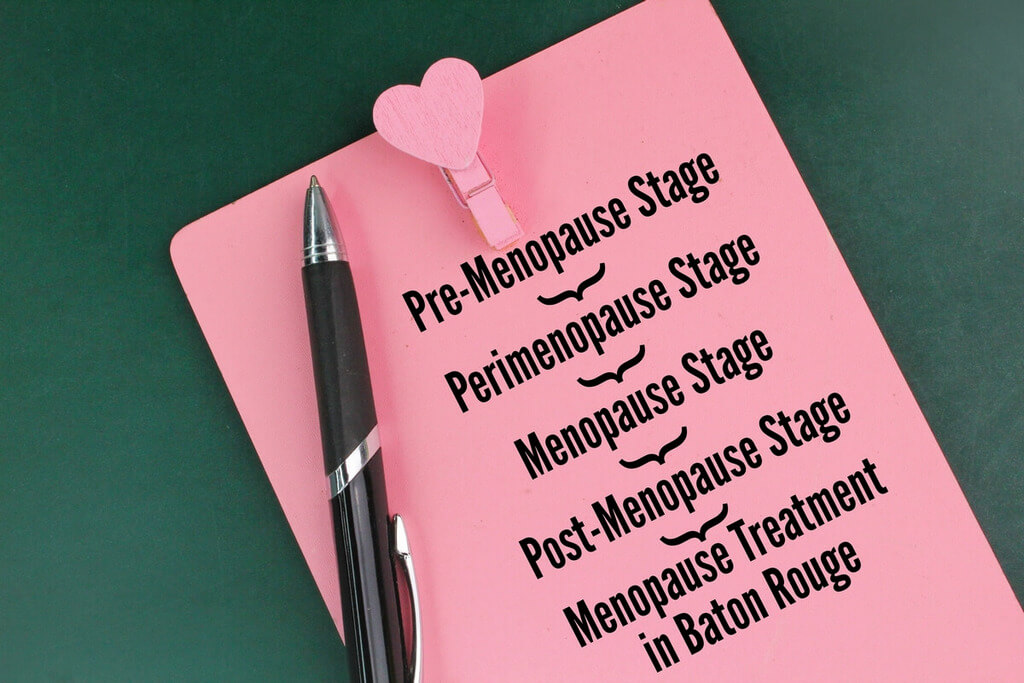
Perimenopause refers to the years leading up to menopause, during which a woman’s body undergoes significant hormonal shifts. These changes prepare the body for the end of menstruation, but they also introduce a variety of symptoms that affect many systems of the body. During this time, the production of the hormones estrogen and progesterone decreases, which is what drives the majority of symptoms women experience. However, unlike menopause, when periods stop entirely, perimenopause is characterized by fluctuations in hormone levels, which can cause symptoms to come and go unpredictably.
Why Does Perimenopause Happen?
Hormones are the body’s messengers, and when their levels fluctuate, everything from your mood to your metabolism can be affected. Estrogen plays a central role in regulating the menstrual cycle, and as its levels drop during perimenopause, women may experience a range of symptoms. In addition to estrogen, progesterone, a hormone that balances estrogen, also decreases, which can contribute to symptoms such as mood swings, bloating, and breast tenderness.
Stages of Perimenopause : What To Expect
Perimenopause unfolds in stages, and each stage presents different symptoms. While the experience is unique to each individual, understanding these stages can help prepare for what’s ahead.
1. Early Perimenopause
The early stage often involves changes in the menstrual cycle. Periods may become irregular, or the flow might be lighter or heavier. Hormonal shifts may trigger symptoms like hot flashes, night sweats, or sleep disturbances. For some women, this is the most subtle stage, while others begin to experience more noticeable changes in mood or energy levels.
2. Late Perimenopause
In the late stages of perimenopause, the drop in estrogen levels becomes more pronounced, and symptoms intensify. Vaginal dryness, joint pain, and muscle tension may occur, while mood fluctuations like anxiety and depression might become more frequent. For many women, this stage can be challenging due to the disruption it causes in daily life.
3. Menopause
Menopause is reached when a woman has gone 12 consecutive months without a period. After this, the symptoms of perimenopause tend to subside. However, the transition into menopause does not mean the end of hormonal changes. Some symptoms, such as vaginal dryness and hot flashes, may continue, but they typically diminish over time.

What Are the 34 Symptoms of Perimenopause: A Close Look
Perimenopause presents a wide array of symptoms that can be grouped into three main categories: neuroendocrine (affecting the brain and nervous system), physical (affecting the body), and vulvovaginal (affecting sexual and urinary health). These symptoms range from the well-known, like hot flashes, to more subtle issues that can be harder to recognize.
Neuroendocrine Symptoms (Brain and Nerve Function)
Mood Swings
Hormonal fluctuations during perimenopause can cause significant changes in mood. Women may experience irritability, sadness, or anxiety. The reduction in estrogen levels disrupts neurotransmitter regulation, affecting emotional stability.
Irritability
Fluctuating hormone levels can cause irritability. Women may find themselves feeling frustrated or agitated more easily during this stage, even over small issues.
Insomnia
Difficulty falling asleep or staying asleep is common. Hormonal changes, especially night sweats and hot flashes, can make it hard to get quality rest, contributing to feelings of tiredness during the day.
Memory Lapses
Often referred to as “brain fog,” memory lapses during perimenopause are common. Women may struggle to recall names, dates, or important details that were once easy to remember, which can be frustrating and concerning.
Brain Fog
Difficulty concentrating and focusing is a common experience. “Brain fog” can make it harder to stay on task, and women may feel mentally clouded or unfocused during this time.
Anxiety
Increased feelings of anxiety are common due to hormonal fluctuations and changes in sleep patterns. Women may feel heightened nervousness or unease, sometimes without an identifiable cause.
Depression
Hormonal imbalances, combined with changes in sleep and mood, can contribute to feelings of sadness or depression. These symptoms may be triggered or worsened by physical discomforts such as hot flashes or joint pain.
Panic Attacks
Some women experience panic attacks during perimenopause, which may be linked to changes in hormone levels that affect stress responses in the body.
Low Libido
Decreased estrogen levels can result in a reduced sex drive. Vaginal dryness and emotional changes can also affect intimacy, leading to a lower interest in sex.

Physical Symptoms (Body Changes)
Hot Flashes
A sudden wave of intense heat, often accompanied by sweating, is a hallmark symptom of perimenopause. Hot flashes can occur at any time of the day and can last from a few seconds to several minutes, causing significant discomfort.
Night Sweats
Similar to hot flashes but occurring during sleep, night sweats can leave women drenched in sweat and can disrupt sleep, leading to exhaustion and discomfort the next day.
Irregular Periods
One of the first signs of perimenopause is a change in the menstrual cycle. Periods may become lighter, heavier, or more irregular, and cycles may become shorter or longer as estrogen and progesterone levels fluctuate.
Breast Tenderness
Many women experience breast tenderness or swelling during perimenopause, similar to the discomfort felt before menstruation. Hormonal fluctuations affect the sensitivity of breast tissue, causing this discomfort.
Headaches
Hormonal changes can trigger headaches or migraines during perimenopause. Women may experience more frequent or severe headaches, often linked to fluctuations in estrogen levels.
Weight Gain
Perimenopause often leads to weight gain, particularly around the abdomen. A slowing metabolism, combined with hormonal changes, makes it easier to gain weight and harder to lose it.
Bloating
Many women experience bloating during perimenopause. Hormonal fluctuations can affect digestion and fluid retention, leading to a sensation of fullness or tightness in the stomach.
Digestive Issues
Digestive problems such as constipation, diarrhea, or indigestion are common during perimenopause. Hormonal changes affect the digestive system, making it harder for the body to process food efficiently.
Joint Pain
Decreased estrogen levels can affect the joints, leading to pain, stiffness, and discomfort, especially in the knees, hips, and hands.
Muscle Tension
Perimenopause can lead to muscle tension, particularly in the neck, shoulders, and back. Estrogen’s decline impacts muscle function and flexibility, contributing to tightness and discomfort.
Decreased Muscle Mass
As estrogen levels decrease, muscle mass may shrink, leading to decreased strength and endurance. Regular physical activity and strength training can help manage this symptom.
Dizziness
Hormonal fluctuations can affect balance and circulation, leading to dizziness or lightheadedness, which can occur suddenly and affect daily activities.
Taste Changes
Some women report changes in their sense of taste during perimenopause. Foods may taste different or have a metallic or off-putting flavor, which is attributed to hormonal changes affecting taste receptors.
Burning Mouth Sensation
A burning sensation in the mouth or tongue is another symptom some women experience during perimenopause, caused by hormonal changes affecting the sensory nerves.
Heart Palpitations
Increased heart rate or palpitations, especially during hot flashes or anxiety, are common in perimenopause. Hormonal fluctuations can cause the heart to beat faster or irregularly, leading to discomfort.
Increased Body Odor
Changes in hormonal levels can lead to changes in body odor. Women may notice that they sweat more or that their natural scent changes, often linked to increased sweating and changes in hormone-driven bacteria on the skin.
Hair Loss
Thinning hair is a common symptom of perimenopause. The reduction in estrogen leads to hair becoming thinner, weaker, and more prone to shedding.
Brittle Nails
Hormonal changes can lead to weakened nails that may become brittle or break more easily. Estrogen helps keep nails strong, and its decline can affect their health.
Itchy Skin
As estrogen levels drop, the skin may become drier and more prone to irritation, leading to an increased feeling of itchiness.
Tinnitus (Ringing in the Ears)
Tinnitus, or ringing in the ears, can occur during perimenopause. This condition is often linked to hormonal changes that affect nerve function and circulation.
Bleeding Gums
Hormonal changes can affect the gums, leading to increased sensitivity, bleeding, or swelling, making oral care more challenging during perimenopause.
Tingling Extremities
Some women experience tingling sensations in their hands or feet, often due to changes in nerve function linked to hormonal shifts.
Electric Shock Sensation
A sensation of electric shocks or “zapping” is reported by some women during perimenopause. This is thought to be related to changes in nerve function and circulation caused by hormonal fluctuations.
Vulvovaginal Symptoms (Sexual and Urinary Health)
Vaginal Dryness
Decreased estrogen levels can lead to vaginal dryness, making sexual activity uncomfortable. This can also increase the risk of urinary tract infections and pelvic floor issues.
Urinary Frequency and Urgency
As estrogen levels decline, the bladder and urinary tract can be affected, leading to increased urgency or frequency of urination. Women may find themselves needing to use the bathroom more often, sometimes with little warning.

Managing the Symptoms of Perimenopause
While the symptoms of perimenopause can be overwhelming, there are many ways to manage them. From lifestyle changes to medical treatments, women have options to reduce the severity of symptoms.
1. Hormone Therapy (MHT)
Hormone replacement therapy (HRT) can be a highly effective treatment for managing the symptoms of perimenopause. It works by replenishing estrogen and progesterone levels, which can help alleviate symptoms like hot flashes, mood swings, and vaginal dryness. However, not all women are candidates for HRT, and it’s important to discuss the risks and benefits with a healthcare provider.
2. Lifestyle Modifications
Exercise, a healthy diet, and good sleep hygiene can make a significant difference in managing perimenopause. Regular physical activity helps to maintain muscle mass, manage weight, and alleviate joint pain. A nutritious diet rich in calcium, vitamin D, and omega-3 fatty acids can support bone health and reduce symptoms like weight gain and mood swings.
3. Stress Reduction Techniques
Mind-body therapies, including yoga, meditation, and deep breathing exercises, can help reduce stress and improve emotional well-being. These practices can also alleviate symptoms like anxiety, insomnia, and hot flashes. Cognitive-behavioral therapy (CBT) and certain non-hormonal prescription options are also helpful for managing mood swings and anxiety.
4. Alternative Treatments
Some women find relief through ertain herbal supplements, which have been shown to help with hot flashes and night sweats. Acupuncture and acupuncture-based therapies are also popular for reducing the severity of perimenopause symptoms.

What Are the 34 Symptoms of Perimenopause and When To Seek Help
Perimenopause can be a challenging transition, but it doesn’t have to be endured alone. If you’re experiencing symptoms that disrupt your daily life, it’s important to talk to a healthcare provider. Whether it’s hormone therapy, medications, or lifestyle changes, there are many options available to help manage the symptoms effectively.
FAQ
Q: How long does perimenopause usually last?
Perimenopause can last anywhere from two to ten years. Most women experience noticeable symptoms for four to six years. The duration depends on how quickly hormone levels change and how the body adapts. Once you reach twelve months without a period, you enter menopause.
Q: How do I know if my symptoms are from perimenopause or something else?
Many symptoms overlap with thyroid issues, stress, or other health conditions. If you notice irregular periods, hot flashes, mood changes, or sleep problems and you’re in your 40s, perimenopause is a likely cause. Blood tests, symptom tracking, and a medical consultation can help rule out other conditions.
Q: Can perimenopause symptoms be treated without hormone therapy?
Yes. Many women find relief through lifestyle changes like exercise, better sleep routines, and stress-reduction techniques. Supplements, CBT, and certain medications can also help. Hormone therapy is effective, but it’s only one option among many.
What Are the 34 Symptoms of Perimenopause: Final Thoughts
The symptoms of perimenopause can be vast and varied, affecting every woman differently. From the more obvious hot flashes to the less discussed cognitive changes, understanding what are the 34 symptoms of perimenopause can help you manage this transitional period with greater ease. By staying informed, seeking the right treatment, and maintaining a healthy lifestyle, women can approach perimenopause with confidence and resilience. Remember, you are not alone, and help is available to make this transition smoother.