Stages of Menopause: A Complete Guide to Each Phase
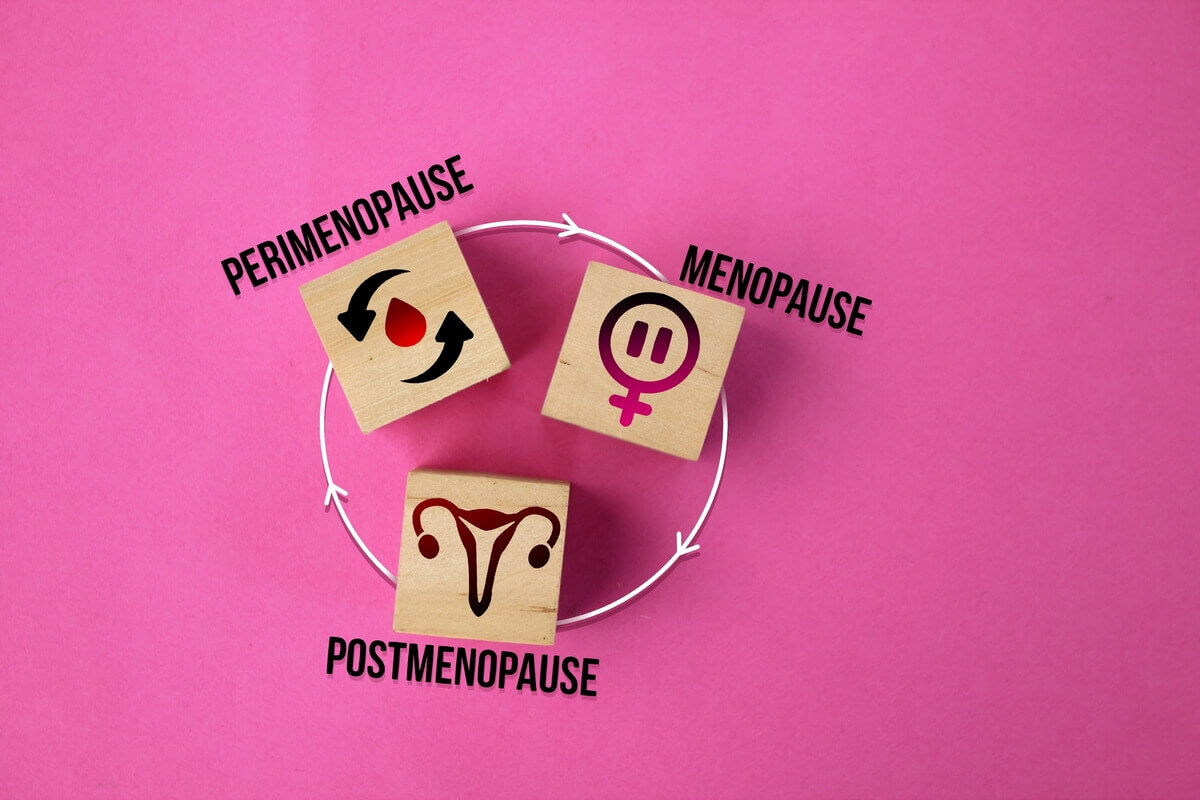
Ask ten women what “menopause” means, and you will likely hear ten different answers. That confusion makes sense because the word hides three separate chapters inside it: perimenopause, the actual menopause mark, and the postmenopausal stretch. Each of these menopause phases runs on a different hormonal engine. Knowing the different stages of menopause puts you ahead of the curve when your body starts sending unfamiliar signals.
What Menopause Actually Means
The biggest misunderstanding? People picture menopause as a years-long condition. It is not. Medically, it is a single date, and nobody can name that date until a full year without any period has already passed. Everything before that date goes by the name perimenopause. Everything after it falls under postmenopause.
Everyday speech lumps it all together because “menopausal transition” does not roll off the tongue. Your doctor, though, needs to know which window you are in, because each one calls for a different game plan.
One thread connects all three windows. Over time, the ovaries produce smaller and smaller amounts of estrogen and progesterone. That slow drop touches body temperature, sleep patterns, mood, bone density, and the way the heart and blood vessels work. When your doctor understands your exact spot on that timeline, the guidance you get becomes far more precise.
Perimenopause: The Transition Phase Before Menopause
If the whole process were a movie, perimenopause would be the most turbulent act. Most women step into it between 40 and 44, although the starting line can land as early as the late 30s or as late as 48. The act itself runs anywhere from two years to over a decade. Four to eight years is the most common range. This is the stretch where the body is rewriting its hormonal script, and the edits do not always feel smooth.
Explore Perimenopause Stages.
Why Hormones Feel Out of Control
Estrogen does not leave the stage quietly. Rather than fading at a steady pace, it spikes and dips from one month to the next. A single cycle could send readings well above what they were at age 25; the following cycle might see them plunge. Progesterone tells a simpler story. It drops more evenly because it ties to ovulation, and ovulation grows less regular over time. Picture two instruments playing out of sync. That mismatch explains why the body reacts so strongly.
Periods, Hot Flashes, and Sleep
Your cycle is usually the first thing to look different. The gap between periods might shrink one month and stretch the next. The amount of flow can be heavier than you have seen in years, or so light it barely shows. Skipping a month or two and then bleeding again is common as well.
Waves of sudden warmth, paired with heavy perspiration during the night, tend to arrive during the early stages of menopause. Some women feel only a brief flush. Others describe full-body heat paired with a pounding heartbeat. The episodes may come a couple of times per week or stack up many times in a single day. Rest tends to suffer alongside these shifts. Waking drenched at 3 a.m. is hard to sleep through, and the hormonal reshuffling itself can make deep rest harder to reach. If your nights keep getting shorter, reading up on perimenopause sleep advice is worth your time.
Read more about Symptoms of Perimenopause.
Mood, Desire, and Brain Fog
Emotions during this phase can feel like a volume knob someone keeps turning without asking. Quick flashes of anger, a low hum of worry, and sudden dips in mood appear even in women with no past mental health concerns. Estrogen has a direct line to serotonin, the brain’s feel-good chemical. When estrogen swings, serotonin swings right along with it. Checking in on your emotional health now is a step that pays off.
Interest in sex sometimes fades during this stretch. Part of the reason is hormonal; part of it is that tissue moisture in the vaginal area drops, which can turn intimacy into something less appealing. Foggy thinking, stiff joints, and a lower ceiling for stress are also in the mix. No two women carry the same combination of these signs.
Fertility does not disappear the moment perimenopause starts. Eggs may release on an uneven schedule, but uneven is not the same as never. Contraception still matters until a doctor has confirmed that the menopause mark has been crossed.
Check out Can You Get Pregnant During Perimenopause?
Menopause: The Point When Periods Have Stopped
Doctors rely on a straightforward yardstick: twelve unbroken months with no bleeding. The average woman meets this benchmark near age 51, yet any time between roughly 45 and 55 is well within normal territory. Tobacco use and certain operations on reproductive organs can move the date forward. Family patterns matter, too. If a close female relative went through it early, the odds tilt in that direction for you. A menopause timing estimator can help set rough expectations, but bodies rarely stick to a calculator.
Here is the catch. You cannot pinpoint this milestone while it is happening. Only after a full year of silence can you look back and mark the date. That backward-facing nature surprises many women who expect a clearer line in the sand.
Once here, estrogen and progesterone settle at their new, far lower levels. The physical shifts from perimenopause do not necessarily vanish. Sudden warmth, restless nights, and reduced moisture in sensitive tissue may linger or even feel more intense for a stretch. Mental sharpness and energy sometimes dip to their lowest right around this window, then gradually level out.
Postmenopause: What Changes After Menopause
With the twelve-month marker behind you, postmenopause begins and does not end. For a good number of women, episodes of sudden warmth lose their grip within a few years. Others carry them much longer. Meanwhile, a different set of health considerations steps forward.
Estrogen now holds steady at a low reading, and the wild swings are over. The trade-off is that low estrogen leaves marks across many tissues. Walls of the vaginal canal and the urinary tract grow thinner and less moist. This raises the chance of soreness and repeat infections. The skin slowly loses bounce. Rest quality may settle at a lighter level than before.
Deeper in the body, two areas need careful attention. Estrogen plays a hand in bone repair and in keeping artery walls pliable. Less estrogen means bones lose minerals faster and the heart carries more strain. These trends are manageable. Focused eating, load-bearing movement, and routine medical screenings all push back effectively. If your body shape has shifted during or after this transition, a healthcare provider can map out targeted next steps.

Symptoms That Can Happen Across Different Phases
The timeline for symptoms is anything but tidy. Some surface early and taper off. Others creep in later and stay.
Cycle changes kick off the sequence in perimenopause and end once the menopause mark is confirmed. Sudden warmth and nighttime perspiration may begin well ahead of the final period and trail into postmenopause. Disrupted rest weaves through all three windows.
Emotional swings, foggy thinking, and a shorter patience span peak when hormonal shifts are at their most dramatic, often during perimenopause. Reduced moisture in vaginal tissue and lower interest in intimacy follow a different arc, growing more pronounced once estrogen stays flat at its new baseline. Midsection weight gain can appear at any point and tends to hang on. Fatigue threads through every window as well.
How sharply these signs register varies enormously. Some women pass through with barely a ripple. Others face disruptions that force real changes to daily routines. Both experiences fall squarely within the normal range.
How to Prepare for Each Phase and When to Seek Help
Start a simple record of your cycle dates and anything unusual you feel. Even small notes add up. When your doctor has a written trail to review, the conversation moves from guesswork to action.
Routine movement makes a measurable difference. Strength training and moderate cardio together support your skeleton, your heart, and the quality of your sleep. Even a brisk daily walk counts. On the nutrition side, consistent intake of calcium, vitamin D, and quality protein gives the body raw material it needs during this shift. Limiting alcohol and caffeine can dial down warmth episodes and improve nighttime rest. Reliable stress outlets round out the picture.
When the signals become moderate or hard to manage, hormone replacement therapy (HRT) remains one of the most closely studied tools. Several HRT formats are available, each with its own mix of upsides and trade-offs. That decision works best when you make it alongside a provider who has your full health picture.
Reach out to a medical professional quickly if you notice bleeding that is unusually heavy or drawn out, any return of bleeding after a full year without it, symptoms that seriously limit how you live and work, or early signs of hormonal decline before age 40.
FAQ
Q: What are the stages of menopause?
Three phases make up the full sequence. Perimenopause is the years of hormonal reshuffling before your final period. Menopause is the single date confirmed after twelve consecutive bleed-free months. Postmenopause is every year beyond that point.
Q: How long does each menopause stage last?
Perimenopause runs four to eight years in most cases. Menopause is a one-time marker on the calendar. Postmenopause is permanent and begins the day menopause is confirmed.
Q: When does perimenopause usually start?
For most women, first signals land between 40 and 44. Some notice changes in the late 30s or the early 50s. Genetics and general health both influence the timeline.
Q: Can I still get pregnant during perimenopause?
Yes. Egg release may be uneven, but uneven does not equal impossible. Contraception remains necessary until a doctor confirms that menopause is official.
Q: What symptoms are common after menopause?
Dryness in the vaginal and urinary areas, lasting warmth episodes, lighter sleep, and skin changes rank high on the list. Faster bone loss and rising heart risk also move into the spotlight.
Conclusion
Menopause is not one event. It is a layered process driven by shifting hormones and experienced in a unique way by every woman. Understanding how perimenopause, menopause, and postmenopause differ from each other helps you set realistic expectations and reach out for support at the right time. The more you know about each phase, the easier it becomes to stay ahead of the changes.
References:
- Menopause – StatPearls, NCBI Bookshelf
- Peri- and Postmenopause: Diagnosis and Interventions, Deutsches Ärzteblatt International (PMC)
- Perimenopause: From Research to Practice, Journal of Women’s Health (PMC)
- Postmenopausal Syndrome – StatPearls, NCBI Bookshelf
- Cognitive Problems in Perimenopause: A Review of Recent Evidence (PMC)