Signs HRT Is Not Working and What to Do
Hormone Replacement Therapy (HRT) can bring real relief to people struggling with symptoms of hormonal imbalance. Whether it’s menopause, low testosterone, or another hormonal issue, HRT can help restore balance and improve well-being. However, not every treatment plan works perfectly from the start. Understanding the signs HRT is not working can help you take the right steps early, so you don’t waste time feeling frustrated or unwell.
Explore our Men’s Health Clinic and Women’s Health Clinic to learn about next steps and personalized care.
Understanding How HRT Works
HRT works by supplementing or replacing hormones that your body no longer produces at optimal levels. For women, this often involves estrogen and progesterone. For men, testosterone is the focus. When hormone levels are balanced, people usually notice more energy, better sleep, improved mood, and relief from symptoms like hot flashes, low libido, or fatigue.
However, the body needs time to adjust. It can take several weeks or even months before changes are noticeable. If symptoms persist beyond that period and there are clear signs HRT is not working, your treatment plan likely needs adjustment.

Common Signs HRT Is Not Working
Persistent Symptoms
One of the first signs HRT is not working is when you continue to feel the same as before starting treatment. For women, this may mean ongoing hot flashes, night sweats, irritability, or vaginal dryness. For men, persistent low energy, poor focus, or lack of sexual drive can signal that hormone levels remain low.
If your symptoms haven’t improved after a few months, your body may not be responding well to the current dosage or delivery method.
New Or Worsening Symptoms
Sometimes, HRT can bring new problems if the hormone balance shifts too far in the other direction. For example, excess estrogen can cause bloating, breast tenderness, or mood swings, while too much testosterone can lead to acne, oily skin, or irritability.
If you notice these signs HRT is not working, contact your healthcare provider. They can order blood tests to check if your hormone levels are too high or too low and adjust your plan.
Unexpected Weight Changes
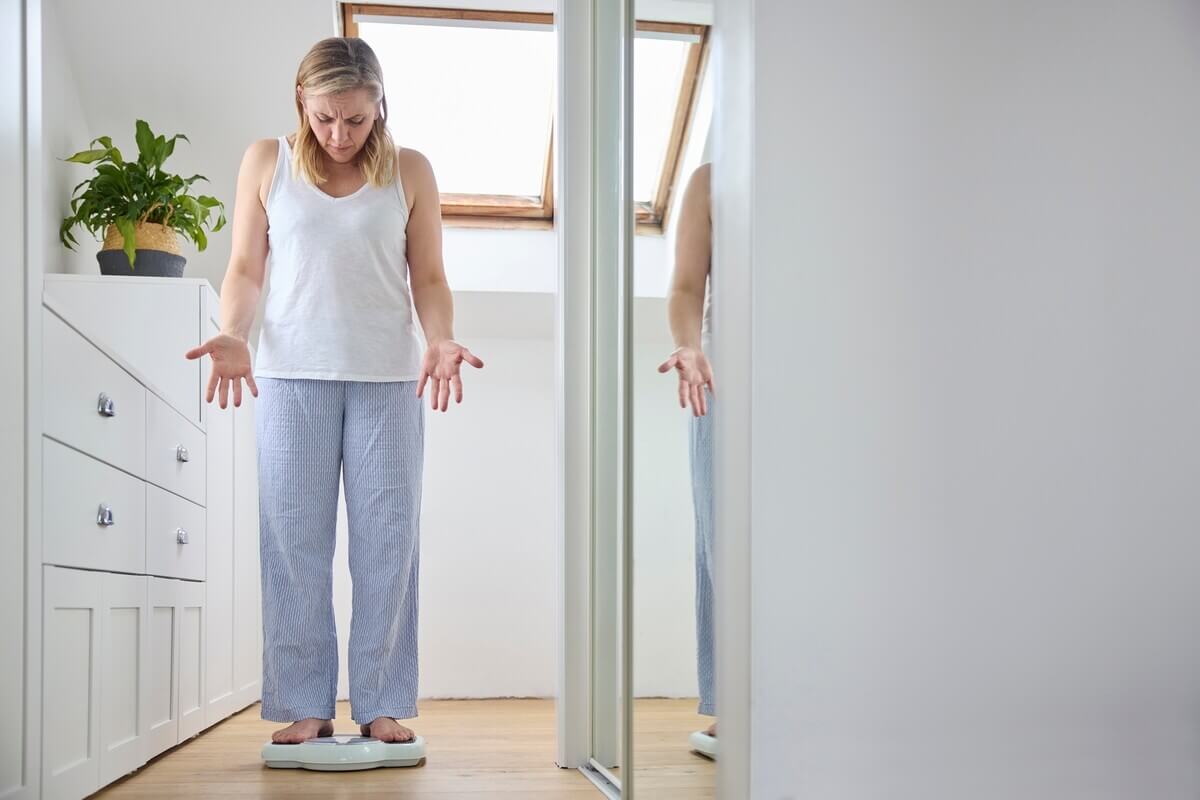
Hormones influence metabolism, appetite, and fat storage. Some weight fluctuation is normal as your body adjusts to HRT, but ongoing or rapid changes can be concerning. Unexplained weight gain or loss can mean that your body isn’t responding properly or that another health issue is involved.
A proper evaluation can help determine if your HRT plan or lifestyle habits need modification.
Explore our Weight Loss Medical Clinic for Sustainable Results.
Low Energy Or Fatigue
Feeling drained all the time is another possible sign HRT is not working. Hormones directly affect how your body produces and uses energy. If treatment is effective, you should feel more balanced, not more tired.
When fatigue doesn’t improve after a few months, your current hormone levels might not match your body’s needs. Sometimes, the form of therapy (such as pills, patches, or injections) affects how well hormones are absorbed.
Mood Changes And Anxiety
Balanced hormones help regulate emotions. If your mood remains unstable, or if you develop new symptoms such as anxiety, irritability, or depression, it could be a sign that your HRT dosage is off.
Keeping a mood journal helps your doctor notice patterns that could be linked to hormone changes and show signs HRT is not working.
Trouble Sleeping
Many people start HRT hoping for better sleep, especially if hot flashes or night sweats were waking them up. If sleep issues continue, it might mean that hormone levels haven’t reached the right balance yet.
Poor sleep can also make other symptoms like fatigue and irritability worse. Adjusting your hormone levels or adding supportive treatments can make a big difference.
Hair Or Skin Changes
Hormones strongly affect skin and hair. If you see hair thinning, increased shedding, or dry, dull skin after starting HRT, that can suggest your plan needs adjustment and may be a sign HRT is not working.
Sometimes, it’s a matter of adjusting estrogen, progesterone, or testosterone levels. In other cases, nutrient deficiencies or thyroid issues could be contributing factors.
Sexual Health Issues
HRT is often used to help improve sexual well-being. If your libido remains low, or you experience discomfort during intimacy, your treatment plan may not be addressing your hormone needs effectively.
These concerns are common and can often be resolved with dose changes or the addition of other therapies.

Why HRT Might Not Be Working For You
There are several reasons why HRT may not produce the desired results:
- Incorrect Dosage: Hormones are highly individualized. Even small dose differences can affect how you feel.
- Wrong Delivery Method: Pills, patches, gels, creams, and injections absorb differently. Your body may respond better to another form.
- Timing: Hormonal balance takes time. It may take two to three months to stabilize after starting therapy or changing your dose.
- Underlying Health Issues: Thyroid disorders, adrenal fatigue, or insulin resistance can all interfere with hormone balance.
- Lifestyle Factors: Poor sleep, chronic stress, or unhealthy eating can reduce HRT effectiveness.
- Poor Monitoring: Without regular blood tests, it’s hard to know if your hormone levels are improving.
How Long Does It Take for HRT to Work?
In most cases, people notice early changes within a few weeks, but it can take up to three to six months for full results. Hormones need time to stabilize in the bloodstream and for your body to adjust.
If you’ve been on treatment longer than that without improvement and you’ve noticed signs HRT is not working, it’s time to review your plan. Never adjust doses or stop therapy on your own. Always consult your healthcare provider first!
How To Talk To Your Doctor
If you suspect your HRT isn’t working, prepare for your appointment with the following steps:
- Keep a Symptom Diary: Track your mood, energy, sleep, and other symptoms daily.
- Bring Lab Results: If you’ve had blood tests, bring them to the visit.
- List All Medications And Supplements: These can interact with hormone therapy.
- Be Honest: Share how you feel, even if symptoms seem small.
Your doctor will use this information to adjust your dose, change your delivery method, or check for other causes.
What To Expect From An Adjustment
Once your provider changes your HRT plan, improvements might take a few more weeks. Stay patient and consistent. Hormones are delicate, and finding the right balance is often a process of small changes over time.
Regular follow-ups and blood tests are essential to track progress. Over time, your body should reach a state where symptoms ease and your overall quality of life improves.
Supportive Steps To Improve Results
While HRT plays a key role in balancing hormones, other habits can help the process:
- Eat a Balanced Diet: Include protein, healthy fats, and fiber to support hormone metabolism.
- Stay Active: Regular exercise improves energy, mood, and weight control.
- Sleep Well: Aim for 7–9 hours of sleep per night to help your body regulate hormone production.
- Manage Stress: Practices like meditation, yoga, or breathing exercises help balance cortisol, a hormone that can interfere with others.
- Avoid Alcohol and Smoking: Both can disrupt hormone balance and reduce HRT effectiveness.
Taking care of your body makes hormone therapy more effective and helps maintain results long term.
When To Seek Medical Help
If your symptoms get worse, or if you experience severe side effects like chest pain, swelling, or vision changes, contact your doctor immediately. These can be signs HRT is not working or even signs of a more serious reaction or health issue that needs prompt attention.
You should also seek advice if mood changes become extreme or if you feel persistently unwell despite following treatment instructions.
How To Know When HRT Is Working
When HRT is effective, you’ll likely feel more energetic, emotionally balanced, and in control of your body again. Common positive signs include:
- Reduced hot flashes or night sweats
- Better sleep and improved focus
- More stable mood and less irritability
- Healthier skin and hair
- Improved libido and sexual comfort
- Steadier energy throughout the day
These improvements usually appear gradually, and once the balance is right, your symptoms should continue to improve.
Signs HRT Is Not Working: Final Thoughts
Recognizing the signs HRT is not working is the first step toward getting the results you deserve. If your symptoms persist or worsen, don’t lose hope! Effective hormone therapy is a process that often requires fine-tuning. By staying in touch with your healthcare provider, tracking your progress, and supporting your body through healthy habits, you can find the balance that truly works for you.
With the right guidance and ongoing care, you can regain your comfort, confidence, and quality of life.