Menopause Weight Loss: Tips for Shedding Pounds Effectively
Menopause weight loss is a common challenge that many women face during midlife. Hormonal changes, slower metabolism, and lifestyle shifts can make it harder to lose weight. However, with the right strategies, it is possible to shed pounds effectively and improve overall well-being. In this article, we explore evidence-based tips and practical solutions to help you take control of your health during this important stage of life.
Why Weight Gain Happens During Menopause
During menopause, estrogen levels drop significantly. This hormonal shift contributes to fat accumulation, especially around the abdomen. Additionally, muscle mass tends to decrease with age, reducing the number of calories burned at rest. Combined with changes in activity levels and eating habits, this creates the perfect storm for unwanted weight gain.
Understanding the biological causes of menopause and weight loss resistance helps you take a more compassionate and strategic approach. You are not failing. Your body is simply changing.
Best Weight Loss Strategies for Women to Try | Beyoung Health
The Role of Diet in Menopause and Weight Loss
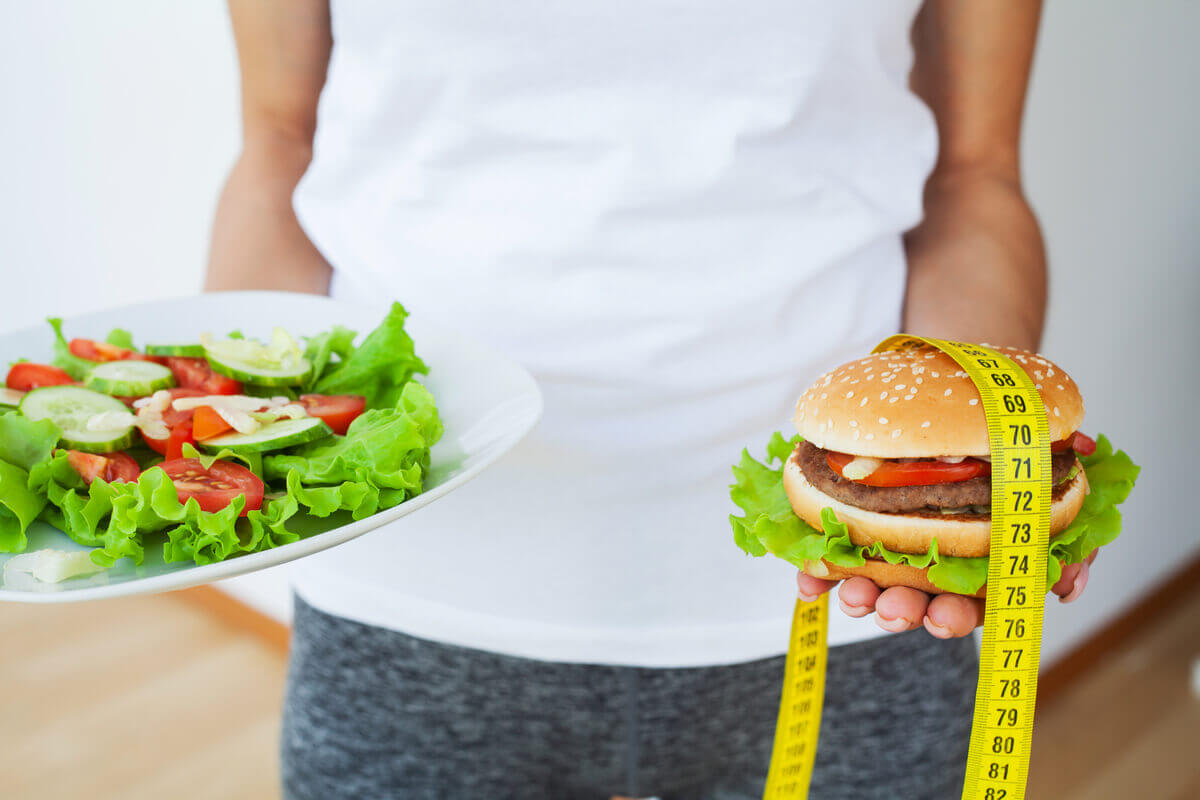
What you eat plays a crucial role in achieving menopause weight loss. Highly processed foods, sugary snacks, and alcohol can lead to weight gain and hormonal imbalance. On the other hand, a nutrient-dense, anti-inflammatory diet helps reduce fat and support hormone health.
Here are a few guidelines:
- Eat more protein: Protein helps maintain muscle mass and promotes satiety.
- Cut back on added sugars: Limit sugary drinks and baked goods.
- Add fiber: Vegetables, fruits, and whole grains support digestion and blood sugar control.
- Stay hydrated: Water helps regulate metabolism and appetite.
Choosing the right menopause and weight loss diet is not about restriction. It’s about nourishing your body during a new phase of life.
Physical Activity That Works
Exercise is essential for menopause weight loss, but the type and frequency matter. Combining cardiovascular workouts, strength training, and flexibility exercises can offer the best results.
- Cardio (like brisk walking, swimming, or cycling) burns calories and supports heart health.
- Strength training builds lean muscle, which boosts metabolism.
- Yoga and stretching improve balance and relieve stress, which also impacts weight.
Aim for at least 150 minutes of moderate aerobic activity per week, plus two days of muscle-strengthening exercises. Consistency matters more than intensity.
Managing Stress and Sleep

Stress and sleep are two often-overlooked factors in menopause and weight loss. Chronic stress increases cortisol levels, which encourages fat storage, especially in the belly. Poor sleep disrupts hunger hormones, making it easier to overeat and harder to stay active.
To support weight loss:
- Practice relaxation techniques: Deep breathing, meditation, or journaling can help.
- Create a sleep routine: Stick to a consistent bedtime, limit screen time, and avoid caffeine late in the day.
- Set boundaries: Learn to say no and reduce unnecessary obligations.
Reducing stress and improving sleep isn’t just good for your mood. It’s essential for lasting weight loss.
Hormone Replacement Therapy and Weight
For some women, hormone replacement therapy (HRT) can help manage menopausal symptoms and may support weight loss. HRT can regulate estrogen and progesterone levels, easing issues like hot flashes, insomnia, and fatigue.
While hormone replacement therapy menopause weight loss results vary, some women report feeling more energetic and motivated to exercise. Others experience better sleep, which also aids weight management.
However, HRT isn’t suitable for everyone. Speak with a healthcare provider to explore the risks and benefits based on your health history.
Explore
- The Role of HRT in Managing Menopause Hot Flashes
- Comparing Types of HRT for Menopause: Pills, Patches, Gels
The Truth About Menopause Weight Loss Supplements
Many women look for menopause weight loss supplements to speed up results. While some products are safe and effective, others make exaggerated claims and may even be harmful.
Some best menopause supplements for weight loss include:
- Black cohosh: May help reduce hot flashes and improve sleep.
- Green tea extract: Supports fat burning and energy levels.
- Calcium and vitamin D: Important for bone health during menopause.
Always read labels carefully and choose supplements that are backed by science. Talk to a healthcare professional before starting any new regimen.
Can Weight Loss Pills Help?
The market is full of menopause and weight loss pills, but do they work? Some may offer mild benefits, especially when paired with healthy lifestyle changes. However, they are not a substitute for proper diet, exercise, and self-care.
Some over-the-counter pills promise fast results but may contain stimulants or untested ingredients. The safest approach is to consult your doctor before trying any pills or prescription medications.
Focus on sustainable lifestyle habits first. Pills should be considered a last resort, not a first step.
Building a Sustainable Menopause Weight Loss Plan

Long-term menopause weight loss requires more than a temporary diet. It involves building a lifestyle that supports your physical, emotional, and hormonal health.
Here’s how to stay on track:
- Track your progress: Use a journal or app to log meals, workouts, and moods.
- Set realistic goals: Aim for 1–2 pounds of weight loss per week.
- Celebrate small wins: Every positive choice counts.
- Find support: Join a group, work with a coach, or talk to a friend.
- Stay flexible: Life happens. Progress, not perfection, is what matters.
Menopause may change your body, but it doesn’t control your health destiny.
What to Avoid on Your Weight Loss Journey
While you build healthy habits, be aware of common pitfalls that can stall progress:
- Skipping meals: This can slow metabolism and lead to overeating later.
- Over-reliance on fad diets: These are often unsustainable and may harm your health.
- Ignoring mental health: Emotional well-being is tied closely to physical results.
Instead of chasing quick fixes, focus on balance and consistency. Your journey is unique, and it deserves patience and respect.
The Importance of Medical Support
If you’ve tried everything and still struggle with menopause and weight loss, seek medical advice. Hormonal imbalances, thyroid issues, insulin resistance, or other health conditions could be interfering with your progress.
A doctor can run tests, recommend treatments, and guide you toward a personalized plan. Sometimes, professional support is the missing piece that makes everything click.
Diet Plans Tailored to Menopause
Not all diets are created equal. A menopause and weight loss diet should be tailored to your specific needs. Low-glycemic eating, Mediterranean-style plans, and intermittent fasting (under supervision) are common choices.
Key features of a menopause-friendly diet:
- High in protein and fiber
- Low in added sugars and refined carbs
- Rich in antioxidants and healthy fats
Meal planning, portion control, and mindful eating are essential tools. Avoid extreme calorie cutting, which can backfire by slowing metabolism.
Are There Natural Remedies That Help?
Beyond supplements and diet, some women explore natural remedies to ease menopausal weight gain. Herbal teas, acupuncture, and aromatherapy may offer relief from symptoms like bloating, mood swings, and low energy.
While results vary, these methods often improve overall wellness and make it easier to maintain a healthy lifestyle. Remember, natural doesn’t always mean safe. Do your research and speak to a professional before starting new treatments.
Support Systems Make a Difference
Accountability helps you stick with your menopause weight loss plan. Whether it’s a workout buddy, online forum, or health coach, having someone in your corner makes the journey easier.
You are not alone. Millions of women are navigating this transition, and many are doing it successfully. Sharing experiences and tips can keep you motivated and on track.
Realistic Expectations Are Key
Midlife weight loss won’t happen overnight. It may take longer, and that’s okay. As long as you’re making steady progress, you’re winning. Focus on the non-scale victories: better sleep, more energy, improved mood, and increased confidence.
Avoid comparing your journey to others’. Your path is your own, and what matters most is that you feel better in your body and mind.
FAQ
Q: Why is weight loss harder during menopause?
During menopause, hormone levels, especially estrogen, drop. This affects metabolism, increases belly fat, and reduces muscle mass, making weight loss more difficult.
Q: What is the best menopause and weight loss diet?
A balanced menopause and weight loss diet includes lean proteins, whole grains, healthy fats, and plenty of fiber. Avoid sugar and processed foods to support hormone balance and metabolism.
Q: Does hormone replacement therapy help with weight loss?
Hormone replacement therapy (HRT) may improve sleep, energy, and motivation to exercise, which indirectly supports weight loss. Always consult a doctor before starting HRT.
Q: Are there effective menopause weight loss supplements?
Yes, some menopause weight loss supplements, like green tea extract, black cohosh, and fiber, can help. Choose evidence-based options and consult a healthcare provider.
Q: How can I lose weight after menopause naturally?
To lose weight naturally after menopause, focus on a healthy diet, consistent exercise, stress management, and good sleep. Supplements and professional support can also help.
Final Thoughts: Taking Charge of Your Health
Menopause weight loss is a real and achievable goal. By focusing on balanced nutrition, regular exercise, stress management, and medical support, you can shed pounds and feel your best. Supplements and pills may help, but they work best when paired with lifestyle changes.
It’s never too late to start. With patience, knowledge, and the right tools, you can take control of your weight and well-being during menopause and beyond.