
Can Low Testosterone Cause Shortness of Breath?
Getting winded by activities that used to feel easy is unsettling. If you’ve also noticed low energy, reduced strength, or changes in mood, it’s natural to wonder whether your hormone levels might be involved. Low testosterone rarely causes shortness of breath directly, but its downstream effects on red blood cells, heart efficiency, and sleep can quietly lower the threshold at which breathing becomes labored.
Here’s what the evidence actually shows and why breathlessness always deserves a full medical workup before hormones enter the picture.
What Low Testosterone Is and How It Affects the Body
Testosterone does much more than drive reproductive function. It regulates red blood cell production, governs muscle repair, influences fat distribution, stabilizes mood, and sustains energy.
When testosterone falls below roughly 300 ng/dL, the condition is called hypogonadism, or low T. What makes it tricky to identify is how gradually it develops. Symptoms accumulate over months or years, and many men attribute them to aging or stress rather than a hormonal shift.
The effects that matter most for physical performance include:
- Reduced energy and stamina. Low T leads to fatigue that rest doesn’t fully relieve, making ordinary effort feel disproportionately taxing.
- Muscle loss. Testosterone drives muscle protein synthesis. When it drops, muscle mass and strength decline, even with consistent training.
- Slower recovery. The body takes longer to bounce back from exertion, so physical capacity erodes gradually.
- Mood and motivation changes. Emotional flatness, difficulty concentrating, and low drive often accompany hormonal deficiency and reduce physical activity over time.
These effects don’t cause respiratory disease, but they change how exertion feels and how quickly a person hits their limit.
Explore How Does Low Testosterone Affect Cortisol in Men.
Can Low Testosterone Cause Shortness of Breath?
Does low testosterone affect breathing? There is no direct pathway. Low testosterone does not narrow airways, impair lung capacity, or interfere with gas exchange. Respiratory specialists don’t list it among primary causes of breathlessness.
The indirect story is more nuanced. Prolonged testosterone deficiency triggers a cascade of changes that together lower the point at which exertion becomes uncomfortable:
- Mild anemia. Testosterone stimulates the bone marrow to produce red blood cells. When testosterone drops, hemoglobin levels can fall enough to reduce oxygen delivery per heartbeat, forcing the lungs to compensate with more frequent breathing.
- Reduced cardiac efficiency. Testosterone receptors in the heart muscle support ventricular function during exercise. Deficiency can slightly reduce pumping output, so the cardiovascular system reaches its ceiling sooner under load.
- Abdominal fat and diaphragm restriction. Without adequate testosterone, visceral fat accumulates around the trunk. Excess abdominal fat limits how far the diaphragm can descend during inhalation, reducing effective breath depth.
- Sleep apnea. Low testosterone and obstructive sleep apnea are closely linked. Nighttime oxygen drops from repeated airway collapse don’t just affect sleep quality; they also prime the nervous system toward chronic stress and lower the breathlessness threshold during the day.
The key point: even when low testosterone contributes to breathlessness, it does so indirectly. Attributing the symptom to hormones alone without ruling out other causes is a diagnostic mistake that can delay important treatment.
- Can Low Testosterone Cause Headaches in Men?
- Can Low Testosterone Cause Joint Pain and Discomfort
- Can Low Testosterone Cause Insomnia?
- Losing Body Hair in Men: Causes and the Low-Testosterone Link
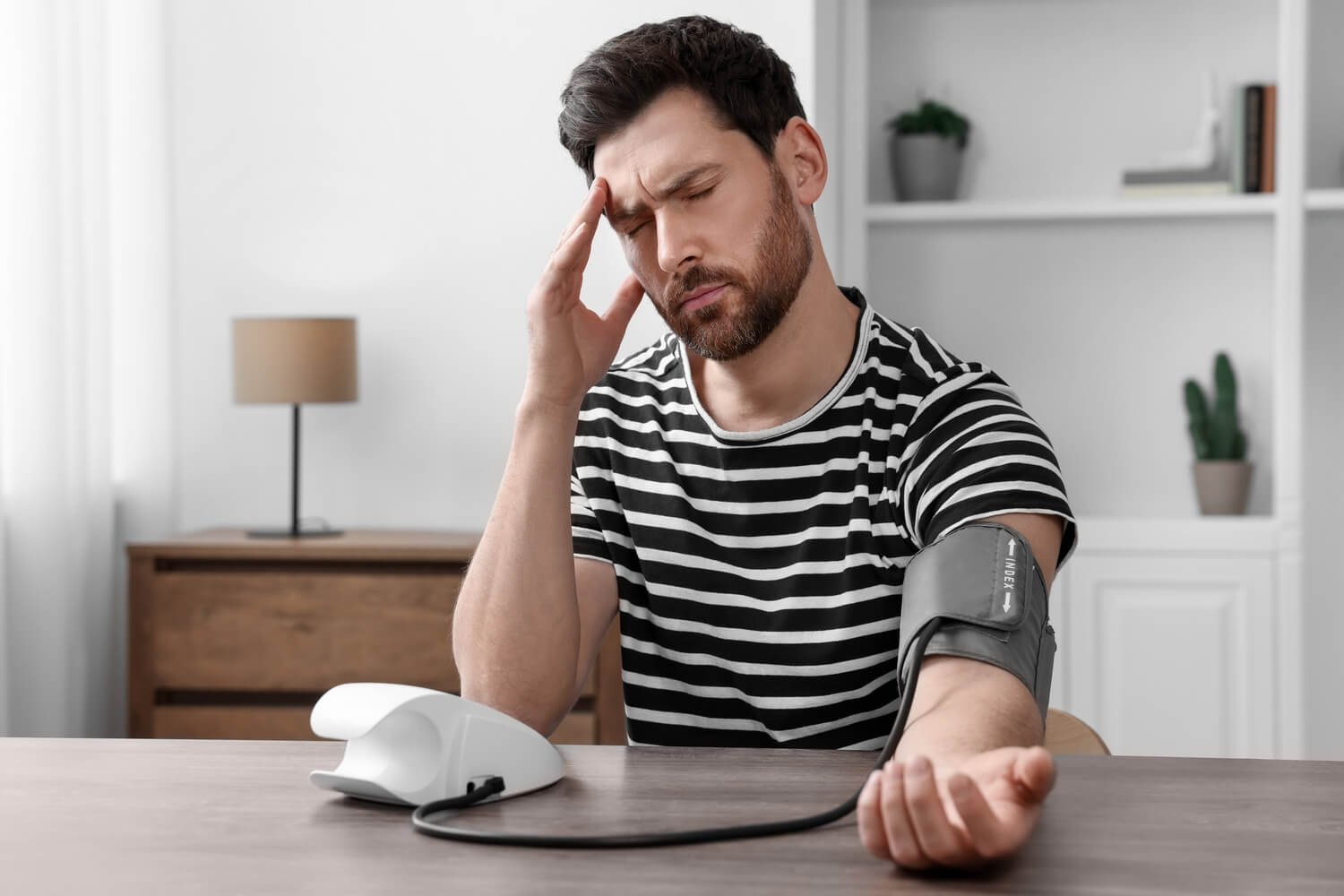
More Common Causes of Shortness of Breath
Breathlessness is one of medicine’s most diagnostically broad symptoms. Several conditions are far more common than low testosterone and carry greater clinical urgency.
- Cardiovascular causes sit at the top of the differential. Heart failure, coronary artery disease, and arrhythmias all reduce how efficiently the heart delivers oxygen, producing chronic air hunger or sudden breathing difficulty.
- Lung disease includes asthma and COPD (where trapped air makes exhalation effortful) and restrictive conditions like pulmonary fibrosis, where the lungs lose elasticity and total capacity shrinks over time.
- Anemia and iron deficiency mirror hormonal and cardiac breathlessness so closely that lab testing is the only way to distinguish them. Fatigue, pallor, and effort intolerance from low hemoglobin are clinically indistinguishable from endocrine causes.
- Thyroid dysfunction. Hypothyroidism suppresses the drive to breathe and weakens respiratory muscles, producing breathlessness during mild effort that is frequently mistaken for cardiac or hormonal disease.
- Deconditioning. Aerobic capacity drops faster than most people expect after a period of inactivity. Normal daily tasks can trigger genuine breathlessness in someone who has become largely sedentary.
- Anxiety and panic. These conditions generate convincing breathlessness through CO₂ imbalance and breathing dysregulation. Chronic anxiety can sustain a subtly elevated resting respiratory rate that makes effort feel harder.
- Obstructive sleep apnea deserves its own mention. Beyond its link to low T, sleep apnea is independently common in men and produces daytime fatigue and reduced exercise tolerance that closely mimic hormonal deficiency.
Urgent Red Flags: Seek Emergency Care Immediately
Call emergency services without delay if breathing difficulty:
- Comes on suddenly at rest, or rapidly worsens
- Is accompanied by chest pain, jaw pain, or pressure
- Causes a gray or bluish tinge to the lips or skin
- Is paired with near-fainting, severe dizziness, or a cough producing blood
- Comes with significant leg swelling, especially after travel or surgery
These may signal cardiac arrest, pulmonary embolism, or acute respiratory failure. Do not wait for a scheduled appointment.
Read about Memory and Testosterone Effects on Cognitive Health.
Symptoms of Low Testosterone That May Overlap With Breathing Complaints
Several features of testosterone deficiency can register as a breathing problem even when lung function is completely normal.
- Disproportionate fatigue. Low testosterone and fatigue are closely linked. Deep, persistent tiredness raises the perceived cost of movement. Climbing stairs or walking briskly feels like a workout, and that mismatch between effort and expectation can feel identical to being short of breath.
- A shortened activity ceiling. Men with low T often start exercising comfortably but hit their limit far sooner than expected. The driver is reduced cardiovascular and muscular efficiency, not airway restriction. The sensation, however, is the same.
- Weakened respiratory muscles. The diaphragm and the muscles between the ribs depend on the same anabolic signals as limb muscles. When testosterone drops, these muscles weaken too, making each breath during effort demand more work.
- Unrestorative sleep. Fragmented sleep from apnea denies the cardiovascular system its overnight recovery window. Accumulating that deficit day after day progressively lowers the threshold at which exertion triggers breathlessness.
- Reduced motivation to stay active. As energy and mood decline, physical activity decreases. Lower baseline fitness then amplifies breathlessness during any given effort, creating a reinforcing cycle.

How to Check Whether Hormones Are Involved
A well-structured evaluation runs the hormonal and non-hormonal tracks at the same time, rather than assuming one or the other.
Clinical history matters enormously. Does breathlessness appear at a predictable level of exertion, or unpredictably at rest? Does lying flat bring it on? Do the legs swell at the end of the day? These details often narrow the differential before any test is ordered.
Blood testing covers multiple systems at once: a morning testosterone level, complete blood count, ferritin (iron stores), TSH for thyroid function, and a metabolic panel. Depending on findings, an ECG, echocardiogram, spirometry, or sleep study may follow.
A below-range testosterone result is a finding, not an automatic explanation. Every plausible contributing cause deserves its own assessment before a treatment path becomes clear.
When Treatment May Help
If testing confirms hypogonadism, testosterone replacement therapy (TRT) is a structured option with an established evidence base. Improvements in body composition, energy levels, red blood cell production, and sleep quality have all been documented in clinical settings.
Men who correct a genuine deficiency often describe a meaningful shift in their activity ceiling over months: breathing becomes labored later as mild anemia resolves, abdominal mass decreases, and sleep improves. These gains are real, but gradual.
TRT is not, however, a respiratory treatment. It does not target airways, correct lung disease, or address cardiac dysfunction. When breathlessness is the presenting symptom, treatment must follow the established cause, not a hormonal finding in isolation.
Self-administering testosterone without medical supervision is dangerous and should never happen, especially when a symptom as potentially serious as breathlessness remains unexplained. Unmonitored use introduces risks including erythrocytosis (excess red blood cell production), elevated cardiovascular load, and disruption of natural hormone production. More importantly, it can delay diagnosis of a cardiac or pulmonary condition that requires entirely different care.
If unexplained fatigue and reduced stamina are affecting your daily life, Beyoung Health’s clinical team can evaluate testosterone within your full hormonal and metabolic picture.
Frequently Asked Questions
Q: Can low testosterone directly cause shortness of breath?
A: No direct mechanism exists. Low T does not impair airways or reduce lung capacity. Its contribution is indirect: by suppressing red blood cell production, reducing cardiac efficiency, and fragmenting sleep, it gradually lowers the threshold at which breathlessness kicks in during exertion.
Q: Can TRT improve breathing symptoms?
A: When confirmed deficiency is contributing to reduced exercise tolerance, TRT can improve factors like red blood cell counts, body composition, and sleep quality. It is not a respiratory treatment, and breathlessness always warrants cardiopulmonary evaluation before hormones enter the equation.
Q: What other symptoms usually happen with low testosterone?
A: The core cluster includes persistent tiredness that rest doesn’t relieve, diminished sexual interest, erectile difficulties, muscle loss despite training, a widening waistline, emotional flatness, difficulty concentrating, and unrefreshing sleep. Most emerge gradually over months to years.
Q: Should I see a doctor if I feel short of breath and tired?
A: Yes, and promptly. Low testosterone and fatigue alongside breathlessness could reflect anything from deconditioning to cardiac disease. A clinical workup is the only way to identify what’s responsible and start the right treatment.
Q: Can anemia and low testosterone happen together?
A: Yes, and not uncommonly. Because testosterone drives red blood cell production, significant deficiency can suppress output to the point of clinical anemia. Iron deficiency, chronic disease, or blood loss can also produce anemia entirely independently of hormone status. Each requires its own assessment.
Read about Low Testosterone Doctors: Expert Help on Your Journey.
Conclusion
Low testosterone does not cause shortness of breath through any direct respiratory pathway. What deficiency does instead is erode the body’s supporting infrastructure: red blood cell supply, cardiac efficiency, diaphragmatic freedom, and sleep recovery. Together, these changes lower the breathlessness threshold until familiar activities start to feel much harder than they should.
Unexplained breathlessness calls for evaluation that prioritizes the most probable causes first. Cardiac dysfunction, lung disease, anemia, and thyroid pathology are each more common than low T. Hormonal testing belongs in the workup, but as one strand among several, not the default answer.
If breathlessness and fatigue are becoming hard to ignore, book a consultation with our clinical team for a full evaluation, not just a hormone test.
References
- Bhasin S, et al. “Testosterone Therapy in Men With Hypogonadism: An Endocrine Society Clinical Practice Guideline.” Journal of Clinical Endocrinology & Metabolism, 2018.
- American Heart Association. “Warning Signs of Heart Failure.” Accessed 2024.
- National Institutes of Health, MedlinePlus. “Shortness of Breath.” Accessed 2024.
- Relationship between Serum Levels of Testosterone and the Severity of Chronic Obstructive Pulmonary Disease