Menopause and Hair Loss: Why It Happens and How to Manage
Menopause is a natural milestone in every woman’s life. But it comes with challenges that can feel overwhelming. Among them, menopause and hair loss often stand out as one of the most visible and emotional changes. Thinning strands, reduced volume, and excessive shedding can impact confidence and daily life. For some women, these changes appear slowly. For others, the shift is sudden. The good news is that menopause and hair loss can be managed with the right knowledge, lifestyle strategies, and treatment options.
Understanding the Hair Growth Cycle
To see why menopause affects hair, it helps to understand how hair grows. Each strand follows a cycle with three phases:
- Anagen (growth phase): Lasts two to seven years. This is when hair actively grows.
- Catagen (transition phase): A short stage of a few weeks when growth slows.
- Telogen (resting phase): Lasts about three months. Hair eventually falls out, making room for new growth.
Hormones regulate this process. Estrogen and progesterone extend the growth phase, creating thicker, stronger hair. When menopause begins, declining hormone levels shorten this growth cycle. As a result, strands spend more time resting and less time growing. This shift is one of the main reasons women experience menopause and hair loss.

Menopause and Hair Loss: Understanding the Connection
Why Hormones Play a Major Role
The sharp decline in estrogen and progesterone disrupts balance in the body. At the same time, androgens like testosterone may become more dominant. Higher androgen activity shrinks hair follicles, producing finer, weaker strands. Some women notice thinning at the crown or temples, which can resemble male-pattern hair loss.
Other symptoms of menopause, such as hot flashes, mood swings, and sleep disturbances, can also worsen hair changes. Stress from these symptoms triggers cortisol, a hormone that contributes to additional shedding. Therefore, menopause and hair loss rarely come from one cause alone. They result from a mix of hormonal shifts, stress, genetics, and lifestyle factors.
Genetics and Family History
Genetics influence how women experience menopause and hair loss. If your mother or grandmother noticed thinning during midlife, you may be more likely to face similar issues. Genes determine follicle sensitivity to hormones and can make some women more vulnerable to shedding. Still, lifestyle and medical care can change the outcome. Knowing your family history can help you take preventive steps earlier.
Emotional Impact of Hair Changes
Hair represents beauty, vitality, and self-expression. When thinning occurs, the psychological effects can be profound. Many women report feeling older than they are or less attractive. Social activities may feel less appealing, and self-confidence can decline. Some women spend extra time and money on styling to hide their thinning hair, which often adds stress.
Recognizing that menopause and hair loss are common and not a sign of personal failure can ease emotional burden. Talking with friends, support groups, or healthcare providers can also reduce isolation. Managing the emotional side is just as important as addressing the physical change.
Explore Stress and Hair Loss in Females: Signs and Solutions.

Is Menopausal Hair Loss Permanent?
One of the biggest concerns is whether thinning is permanent. The answer is nuanced. For some women, hair stabilizes after hormone levels even out. The hair may not return to its original thickness, but with care, it often regains strength and volume. For others, especially those with strong genetic predisposition, thinning may be long-lasting.
The earlier menopause and hair loss are addressed, the better the results. Treatments, lifestyle habits, and nutritional support all play roles in recovery. While not always completely reversible, the condition can almost always be improved.
Menopause and Hair Loss Treatment Options
Several approaches can help manage and reduce hair loss during menopause.
Medical Treatments
- Topical solutions: Over-the-counter solutions which stimulate follicles and promotes regrowth.
- Bioidentical Hormone Replacement Therapy (BHRT): For some women, restoring estrogen and progesterone helps balance the hair cycle. BHRT should always be discussed with a doctor due to risks and benefits.
- Prescription Medications: Anti-androgen drugs reduce testosterone’s impact on follicles.
Non-Medical Treatments
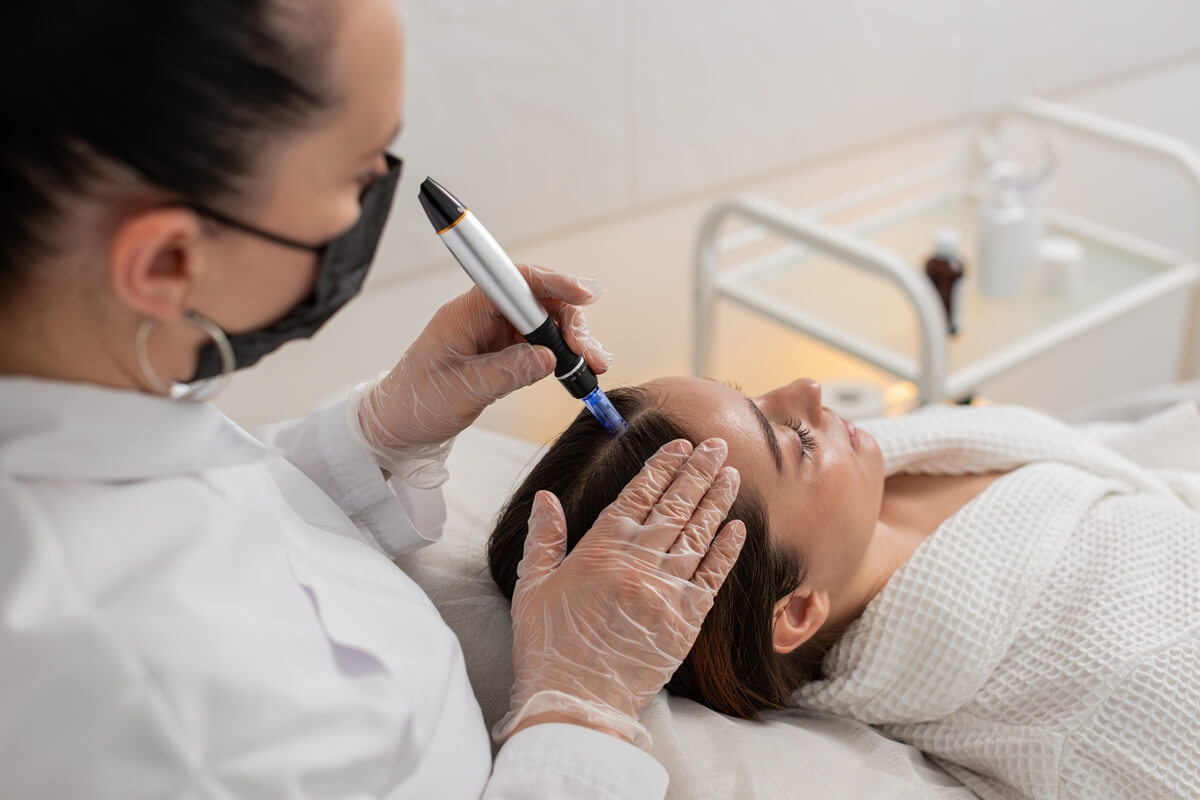
- Low-Level Laser Therapy: Devices that use red light improve blood flow to the scalp and stimulate growth.
- PRP (Platelet-Rich Plasma) Therapy: Injections of your own plasma into the scalp can activate follicles.
- Hair Transplants: In severe cases, surgical redistribution of follicles offers lasting results.
Each option carries its own pros and cons. A healthcare provider can guide you toward the safest and most effective path.
Vitamins for Menopause Hair Loss
Nutrition supports healthy hair from the inside out. Several vitamins and minerals play a crucial role:
- Vitamin D: Low levels are linked to shedding. Sunlight, fatty fish, and supplements help.
- Biotin (Vitamin B7): Supports keratin production, making hair stronger.
- Vitamin B12: Important for red blood cell formation and oxygen delivery to follicles.
- Iron: Prevents anemia-related hair loss, especially important for women with heavy periods during perimenopause.
- Zinc: Helps repair damaged follicles and keeps oil glands functioning properly.
- Omega-3 fatty acids: Reduce inflammation and nourish scalp tissue.
A balanced diet provides most of these, but supplements can fill gaps. Always consult a doctor before starting high doses.
Lifestyle Tips to Reduce Menopause and Hair Loss
Beyond medical and nutritional support, daily habits make a difference:
- Gentle Hair Care: Use mild shampoos, avoid harsh chemicals, and reduce heat styling.
- Stress Management: Practices like meditation, yoga, or simple deep breathing lower cortisol.
- Exercise: Regular activity boosts circulation, ensuring follicles get nutrients.
- Adequate Sleep: Rest is vital for hormonal balance and hair repair.
- Hydration: Water supports every cell, including those that form hair.
Together, these lifestyle adjustments strengthen hair and improve overall health.
Hairstyles and Cosmetic Solutions
While treatments take time, cosmetic options provide immediate confidence:
- Layered cuts: Add volume and movement.
- Hair fibers or powders: Conceal thinning areas.
- Extensions or toppers: Provide fullness while protecting natural strands.
- Color techniques: Subtle highlights can create the illusion of thicker hair.
Stylists familiar with menopause and hair loss can recommend personalized strategies. These solutions don’t replace treatment but help women feel comfortable as longer-term results develop.
Diet and Nutrition: Foods That Support Hair Growth
Food choices play a huge role in how hair looks and feels. During menopause, the body’s nutritional needs change, and poor diets can make thinning worse. Focusing on whole, nutrient-rich foods gives your scalp and follicles the tools they need to grow stronger strands.
- Lean proteins such as chicken, eggs, beans, and fish supply amino acids that form keratin, the main building block of hair.
- Leafy greens like spinach and kale are loaded with iron, folate, and vitamin C, all critical for oxygen transport to follicles.
- Nuts and seeds provide zinc, vitamin E, and healthy fats that reduce dryness and breakage.
- Berries and citrus fruits contain antioxidants that fight inflammation and support collagen, an important part of scalp health.
- Whole grains deliver B vitamins, which improve circulation and energy metabolism.
A balanced plate with protein, vegetables, and healthy fats is more than just good for overall health. It’s also an effective menopause and hair loss treatment strategy.
Stress Reduction Techniques for Hair Health
Stress doesn’t just affect the mind; it shows up in the body and hair. Elevated cortisol disrupts the hair cycle and increases shedding. Women who learn to manage stress often notice less hair loss over time.
Some effective methods include:
- Yoga: Gentle movements reduce tension, improve circulation, and balance hormones.
- Mindful breathing: Taking five minutes daily to focus on deep breathing lowers cortisol.
- Meditation apps: Guided sessions help reduce racing thoughts and create calm.
- Regular exercise: Walking, swimming, or dancing releases endorphins, which fight stress naturally.
- Journaling: Writing down feelings provides clarity and emotional release.
These practices support not only hair health but also emotional well-being. When combined with vitamins for menopause hair loss and treatment options, stress management becomes part of a complete plan.
Real-Life Experiences: How Women Manage Menopause and Hair Loss
Every woman’s journey is unique, but shared experiences show that improvement is possible.
- Anna, 52: She noticed thinning around her temples. After starting topical solution and adding biotin supplements, she saw regrowth within six months.
- Maria, 48: Menopause and hair loss left her ponytail half its original size. She began hormone replacement therapy and focused on a diet rich in leafy greens and protein. Within a year, her hair felt fuller and stronger.
- Sandra, 55: Genetics played a strong role in her thinning. While medical treatments helped only slightly, cosmetic options like hair fibers and a layered cut restored her confidence.
These examples show that menopause and hair loss can be managed in different ways depending on health, preferences, and lifestyle.
At-Home vs. Professional Treatments of Menopause and Hair Loss
Women often wonder if at-home treatments are enough or if professional care is required. Both approaches have benefits.
At-Home
- Affordable and convenient.
- Options include over-the-counter medications, supplements, scalp massage, and gentle shampoos.
- Best for mild to moderate hair loss.
Check out Hair Loss Treatment at Home: Is It Safe and Effective?
Professional Care
- Dermatologists offer advanced options like PRP injections, laser treatments, and prescription medications.
- Hair transplant clinics provide permanent solutions for severe thinning.
- Professional monitoring ensures safety and adjusts treatment as needed.
A combined approach often works best: daily at-home care with professional treatments when necessary.
Frequently Asked Questions about Menopause and Hair Loss
Q: Is menopausal hair loss permanent?
Not always. For many women, thinning stabilizes after menopause. With early treatment and lifestyle changes, regrowth is possible.
Q: What are the best vitamins for menopause hair loss?
Vitamin D, biotin, B12, iron, zinc, and omega-3 fatty acids support hair health. A doctor can recommend the right dose.
Q: What menopause and hair loss treatment works fastest?
Topical over-the counter solutions often show results within three to six months, though consistency is key.
Q: Can diet alone stop hair loss?
A nutrient-rich diet supports growth, but medical or hormonal factors may require additional treatment.
Q: How long before I see improvements?
Most treatments take several months. Patience and consistent care are necessary for lasting results.
Q: Can stress worsen menopause and hair loss?
Yes. Stress increases cortisol, which disrupts the hair cycle and leads to additional shedding.
Q: Should I see a doctor?
Yes. A healthcare provider can rule out thyroid issues, anemia, or other conditions that mimic menopausal hair loss.
Long-Term Outlook for Menopause and Hair Loss
Menopause is permanent, but hair loss does not need to define it. With proper treatment, vitamins, and lifestyle strategies, most women regain healthier hair and greater confidence. The process takes time, but results are rewarding. Support from professionals, loved ones, and even community groups makes the journey easier.
Final Thoughts
Menopause and hair loss may feel overwhelming, but knowledge and proactive care make a difference. From medical treatments to vitamins for menopause hair loss, women have more tools than ever to manage this change. While not every strand may return, confidence and beauty remain within reach. Most importantly, menopause and hair loss should not be seen as an end, but as an opportunity to focus on self-care, health, and renewal.