
Diabetes and ED: Understanding the Connection
Introduction to Diabetes and ED
Diabetes is a common health problem affecting millions of people. It impacts many parts of life, including the often-overlooked area of sexual health. Men with diabetes face a significantly increased risk of erectile dysfunction (ED) compared to their non-diabetic counterparts.
This relationship arises from various factors, such as nerve damage, circulation problems, hormonal fluctuations, and mental health issues. So, what causes ED in men with diabetes, and how can we address it?
In this article, we’ll answer those questions. We will also look at good ways to manage the condition. We will discuss lifestyle changes, alternative treatments, and the need for psychological support. Let’s look at the link between diabetes and ED and find ways to improve the quality of life for those affected.

Understanding the Biological Connection Between Diabetes and ED
First, let’s look at how diabetes affects the body. This will help us understand its link to erectile dysfunction (ED).
- Impaired Blood Circulation: Diabetes often causes atherosclerosis, a condition where plaque builds up and hardens the blood vessels. This narrowing can restrict blood flow to various areas, including the penis. Good blood flow is crucial for an erection, so any circulation problem can cause difficulties.
- Nerve Damage and Neuropathy: Diabetic neuropathy is a prevalent complication of diabetes that can impact numerous body parts, including the sexual organs. For an erection to occur, the brain must transmit signals through nerves to trigger arousal. Nerve damage can block these signals, making it hard for men to feel arousal or sexual excitement.
- Hormonal Imbalances: Men with diabetes, particularly those with type 2 diabetes, may experience lower testosterone levels. This hormone is crucial for sexual desire and overall energy. A decrease in testosterone due to diabetes-related hormonal changes can exacerbate ED, creating a complex interplay of symptoms.
- Elevated Oxidative Stress: Constantly high blood sugar leads to oxidative stress. This stress can damage the cells and tissues needed for an erection, like blood vessels and nerves. Antioxidants from food or supplements can help lower this stress. However, the most important thing is to keep your blood sugar in a healthy range.

Lifestyle Factors and Their Impact on ED in Diabetic Men
Certain lifestyle choices can significantly influence the severity of erectile dysfunction (ED) in men with diabetes. By addressing these factors, individuals can effectively manage both their diabetes and erectile issues.
- Diet: Eating a healthy diet is key. Specifically, those high in vegetables, lean protein, whole grains, and healthy fats can help control blood sugar. They also improve your overall well-being.
In contrast, diets high in sugar, unhealthy fats, and processed foods can spike your blood sugar and worsen blood vessel damage. Incorporating fiber-rich foods can also aid digestion and improve insulin sensitivity, leading to better blood sugar management.
- Physical Activity: Engaging in regular physical activity boosts circulation and enhances insulin sensitivity, both crucial for controlling diabetes and ED. Exercise promotes vascular health, boosts testosterone, reduces stress, and improves heart health. Additionally, physical activity can enhance mood, which may positively influence sexual confidence.
- Weight Management: Being overweight is a major risk factor for both diabetes and ED. Excess body weight can lead to insulin resistance, complicating blood sugar control and worsening erectile dysfunction. Even small reductions in weight can yield significant benefits for both conditions.
- Smoking and Alcohol: Smoking harms blood vessels, while excessive alcohol consumption can disrupt nerve function. Both behaviors can worsen the complications associated with diabetes and ED. Quitting smoking and moderating alcohol intake can enhance blood flow and minimize nerve damage, leading to improved erectile function.
The Influence of Hormone Therapy on Erectile Dysfunction in Men with Diabetes
Hormonal imbalances, particularly low testosterone levels, can play a significant role in erectile dysfunction (ED) among men with diabetes. If a doctor diagnoses you with low testosterone, then testosterone replacement therapy (TRT) is a good treatment option. This is because the hormone is essential for a healthy sex drive and energy levels. In diabetic men, low testosterone can worsen ED, resulting in reduced libido and increased tiredness.
- When Should You Consider TRT? Generally, doctors recommend TRT after a blood test shows low testosterone. They also consider symptoms like a low sex drive, fatigue, and erection problems. Men with diabetes are more likely to have low testosterone because high blood sugar harms hormone production. By restoring testosterone levels, TRT can improve sexual function and enhance overall vitality.
- Assessing the Benefits and Risks: On one hand, the benefits of TRT can be significant. These include a higher sex drive, more energy, a better mood, and even improved erections.
However, there are certain risks linked to TRT for diabetic men, such as elevated red blood cell counts and potential effects on heart health. It’s vital for men with diabetes to see a specialist to find out if TRT is right for them. The doctor will also need to closely monitor their hormone levels, heart health, and diabetes.
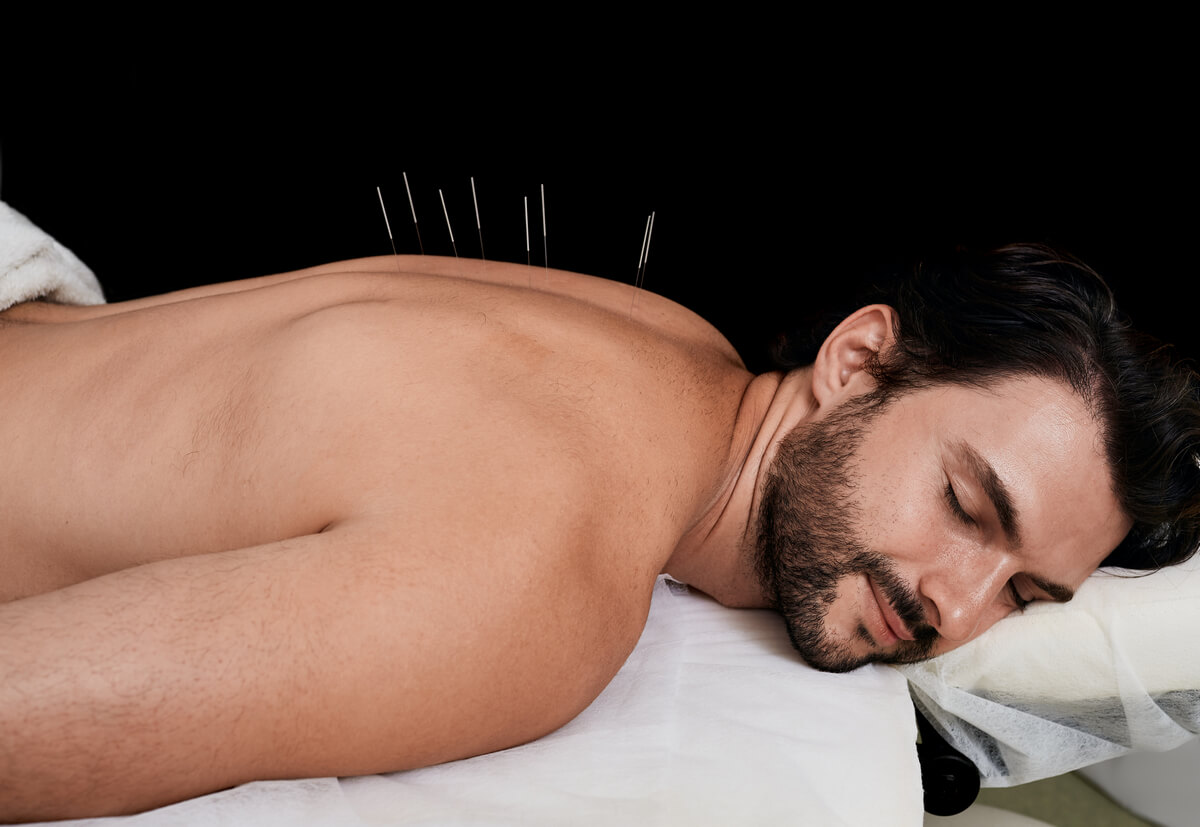
Alternative and Complementary Treatments for ED in Diabetic Men
Along with standard medical care, some alternative therapies can offer extra support for managing ED. While these approaches should not substitute for professional medical advice, they can act as supplementary options:
- Acupuncture: This is a traditional Chinese practice. It involves placing very thin needles into specific points on the body to improve energy and blood flow. Some individuals report relief from ED symptoms through acupuncture, especially those experiencing stress-related issues. While more research is needed, acupuncture may help increase blood flow and relieve stress, which are both good for sexual health.
- Herbal Supplements: People often use certain herbs, like ginseng, maca, and L-arginine, to enhance sexual performance. Researchers have studied L-arginine, an amino acid, for its potential to improve blood circulation. However, it is crucial to talk to a doctor before taking any herbal supplements. This is because they can interfere with your diabetes medicine or cause unwanted side effects.
- Mindfulness and Meditation: Stress and anxiety are major causes of ED. Practicing mindfulness and meditation can lower stress, boost mental health, and help you relax. Regular meditation practices may assist men in managing the pressures associated with diabetes and ED, resulting in improved psychological and physical health.
- Vitamin D and Antioxidants: First, studies show that people with diabetes often have low Vitamin D levels. This can lead to ED.
In addition, antioxidants, such as Vitamins C and E, are important too. They help lower oxidative stress and support healthy blood vessels. While these nutrients are not a cure, maintaining adequate levels may enhance other treatments and promote better vascular health.
Navigating the Emotional and Psychological Impact of Diabetes-Related ED
The relationship between diabetes and erectile dysfunction (ED) extends beyond physical symptoms. The emotional and psychological ramifications can be equally daunting. Facing ED often brings about feelings of shame, frustration, and even depression. These feelings can stop men from talking about their problems, which can lead to avoiding intimacy and straining relationships.
Studies show that mental health issues like anxiety and depression can make ED worse. This creates a vicious cycle where each condition makes the other worse. Thus, it is essential to address mental health when managing ED. Joining support groups, going to therapy, and talking openly with a partner can help men get through this difficult time.
Enhancing Resilience: Psychological Strategies for Managing Diabetes and ED
To build resilience, men can use powerful psychological tools. For example, cognitive-behavioral therapy (CBT), setting small goals, and practicing gratitude can help them handle these challenges.
- Cognitive-Behavioral Therapy (CBT): This type of therapy helps men recognize and challenge negative thought patterns about their health. As a result, it promotes a more positive mindset.
A qualified therapist can guide you through specific CBT exercises. These exercises aim to reduce anxiety and low self-esteem related to diabetes and ED. This makes both conditions easier to manage.
- Establishing Achievable Goals: Creating realistic and attainable goals can enhance motivation and instill a sense of control. Even small steps can make a big difference in your diabetes control and overall health. For example, taking a 10-minute walk each day or cutting back on sugary snacks can have a significant impact. Accomplishing these goals also boosts confidence and nurtures a positive perspective.
- Embracing Gratitude: Gratitude is a simple but powerful practice. For instance, writing down three things you appreciate each day can help your mental health. It shifts your focus to the positive parts of life.
Research shows that developing a gratitude habit can reduce stress and improve your health. This is particularly helpful when you are dealing with a chronic illness.

Support for Partners of Diabetic Men Experiencing ED
The role of a partner is crucial for men facing the challenges of diabetes and erectile dysfunction (ED). By fostering open dialogue, showing empathy, and nurturing mutual understanding, partners can help reduce stress and enhance their relationship.
- Promote Open Dialogue: It’s important for partners to create a safe space for conversation. Here, they can openly discuss the physical and emotional challenges of both ED and diabetes. Tackling these topics together can build trust and diminish the feelings of isolation that often accompany ED.
- Exhibit Empathy and Understanding: Approaching these difficulties with empathy and understanding is vital. It’s important to remember that ED is a medical issue. It is not a reflection of lost love or attraction, which helps both partners address the problem together, without blame. Support and reassurance from a partner can provide significant comfort.
- Explore Therapy as a Couple: Going to therapy together can be very helpful. In fact, it offers a secure environment to discuss sensitive subjects and develop strategies for staying intimate. A therapist who specializes in sexual health can provide expert guidance. Their role is to help couples navigate these challenges, ensuring both partners feel heard and supported.
Long-Term Management and Maintaining Quality of life
If you want to improve your long-term quality of life with diabetes and ED, you need to be proactive. This means taking an active role in monitoring your health. Regular evaluations for complications, particularly concerning nerve and cardiovascular health, are crucial as they have a direct influence on erectile function.
- Nerve Health: Diabetic neuropathy can disrupt the signals necessary for erections. Regular nerve check-ups can catch problems early, which helps protect both your nerves and your sexual function.
- Cardiovascular Screening: The health of the heart plays a vital role in ensuring adequate blood flow to the penis. Consistent monitoring of blood pressure, cholesterol levels, and overall heart function can help avert complications and enhance the circulation essential for achieving erections.
- Hormone Levels: Diabetes may lead to reduced testosterone levels, which can diminish libido and energy. Regular hormone evaluations can uncover imbalances, and treatments such as testosterone replacement therapy (TRT) may offer significant benefits for sexual health.
- Kidney Function: Kidney complications related to diabetes can adversely affect vascular health. Routine kidney assessments can help identify early issues, thereby supporting both kidney and vascular well-being.
- Mental Health Support: The interplay between ED and diabetes can take a toll on mental health. Regular mental health evaluations, along with cognitive-behavioral therapy and stress management techniques, can foster resilience and improve overall well-being.
- Utilizing Technology: Modern tools can make managing your health much easier. For example, continuous glucose monitors (CGMs), health apps, and telemedicine give you real-time data. This helps you stay on track.
In short, staying on top of these key areas is essential. Furthermore, making small lifestyle adjustments will greatly improve your overall health and quality of life.
Frequently Asked Questions (FAQ)
Q: Can lifestyle modifications enhance erectile dysfunction in men with diabetes?
A: Absolutely. A combination of healthy habits is very powerful. Eating a healthy diet is important. Regular exercise also helps. Maintaining a healthy weight is key.
Managing stress can improve blood sugar levels and circulation. However, outcomes can differ, and some men may still require medication or further interventions.
Q: Are herbal remedies safe for addressing erectile dysfunction in diabetic men?
A: Certain herbal remedies, like ginseng and L-arginine, might offer slight advantages for erectile dysfunction. Nonetheless, you should approach these with caution, as they can interact with diabetes medications and may have side effects. You must talk to your doctor before using herbal remedies to make sure they are safe and won’t interfere with your diabetes care.
Q: Are erectile dysfunction medications effective for all men with diabetes?
A: ED medications are effective for many men. However, they may not be the right choice for everyone, especially for those with severe nerve or blood vessel damage. Furthermore, men with specific health issues, like heart disease, may not be able to use these medications safely. A discussion with a healthcare provider will help identify the most appropriate treatment based on individual health circumstances.
Q: Does experiencing ED mean my diabetes is not well-controlled?
A: Erectile dysfunction (ED) can signal early vascular damage, often linked to uncontrolled blood sugar levels. However, it can also affect men who manage their diabetes effectively, as individual responses vary. Controlling your blood sugar and working closely with your healthcare team will help reduce complications.
Q: Are there particular exercises that can assist diabetic men with ED?
A: Yes, pelvic floor (or Kegel) exercises can strengthen the muscles that support erections and may improve erectile function. Additionally, engaging in cardiovascular activities like walking, running, or cycling promotes heart health, boosts circulation, and increases overall stamina. Regular physical activity is a powerful ally in managing diabetes and enhancing sexual health.
Conclusion: Empowerment Through Knowledge and Action
The connection between diabetes and ED can certainly feel overwhelming. However, it’s crucial to remember that you can manage both conditions effectively with the right plan.
Gaining insight into the biological, lifestyle, and emotional elements at play lays the groundwork for successful treatment. You can face the challenges of ED with confidence. The key is to actively manage your diabetes while also maintaining an open dialogue with your doctor and partner.
Living with diabetes does not necessitate compromising one’s personal life. With resolve, support, and a comprehensive treatment plan, men with diabetes can enjoy rich and fulfilling lives.
Knowledge is power. By staying informed and taking action, you can take charge of your health. This will help you feel more confident in your relationships and sex life.