Katelyn Schwartz, NP
TRT, BHRT, and Menopause Treatment · Informed by clinical research
Family Nurse Practitioner with a decade of clinical research at the Cleveland VA Medical Center. Eight peer-reviewed publications. Master of Public Health from Kent State University.
Katie trained as a Family Nurse Practitioner at Wheeling University, graduating in 2023, after seven years of clinical research and a Master of Public Health from Kent State University. Her research career was based at the Louis Stokes Cleveland VA Medical Research Foundation, where she contributed to peer-reviewed work on biomarkers in chronic disease and the development of clinical predictive tools.
Following her FNP certification, Katie completed a year-long Advanced Practice Registered Nurse fellowship in Infectious Disease at Orlando Health Regional Medical Center before relocating to Vancouver and joining Beyoung Health. She is registered to practice in British Columbia with the BC College of Nurses and Midwives, registration #1045374.
Her clinical practice covers testosterone replacement therapy, bioidentical hormone replacement, and perimenopause and menopause management. Her research training shapes how she approaches treatment decisions: she works from cohort-level evidence and individual patient data rather than fixed protocols.
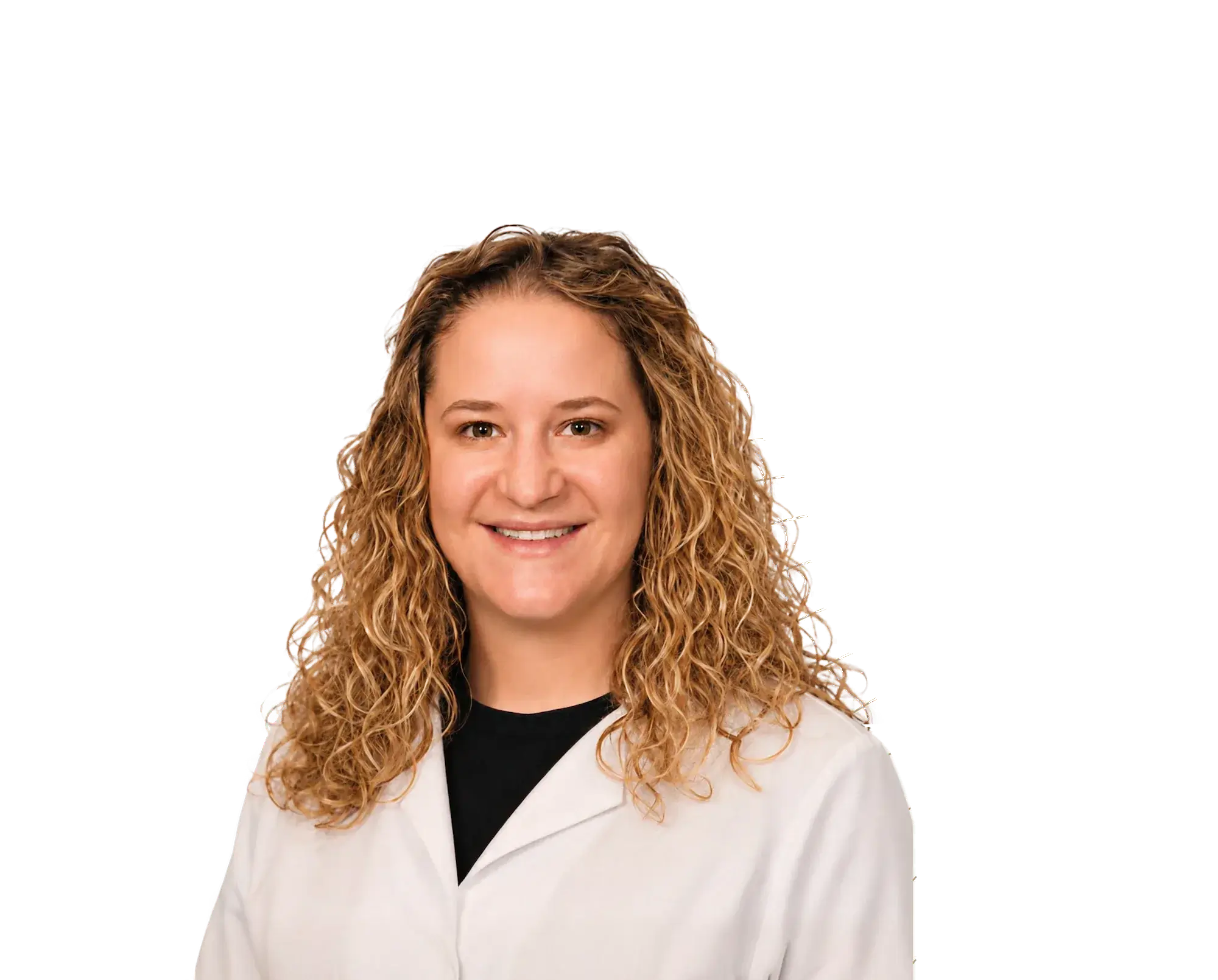
Katelyn Schwartz, NP
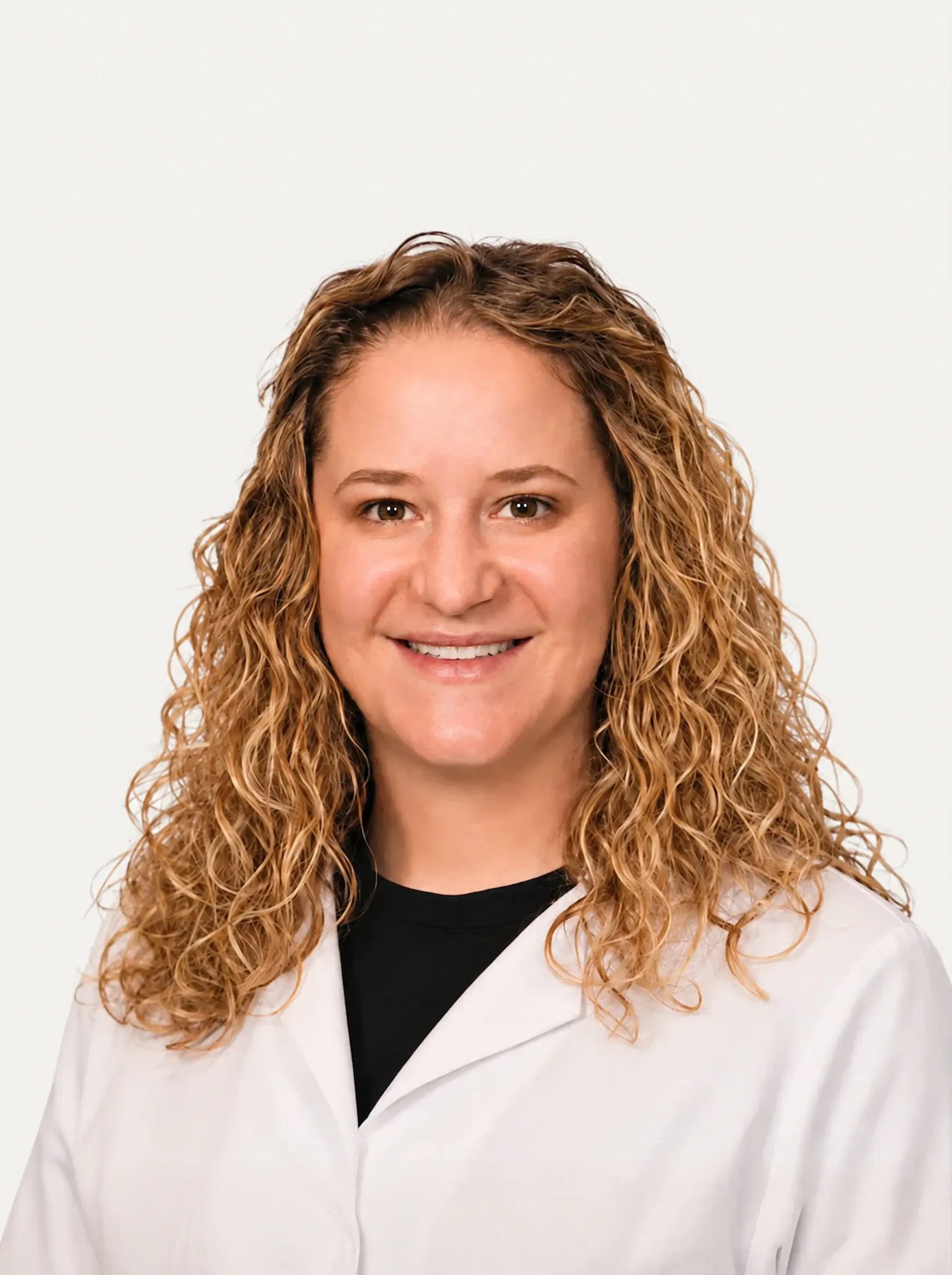
TRT, BHRT, and Menopause Treatment · Informed by clinical research
Family Nurse Practitioner with a decade of clinical research at the Cleveland VA Medical Center. Eight peer-reviewed publications. Master of Public Health from Kent State University.
Katie trained as a Family Nurse Practitioner at Wheeling University, graduating in 2023, after seven years of clinical research and a Master of Public Health from Kent State University. Her research career was based at the Louis Stokes Cleveland VA Medical Research Foundation, where she contributed to peer-reviewed work on biomarkers in chronic disease and the development of clinical predictive tools.
Following her FNP certification, Katie completed a year-long Advanced Practice Registered Nurse fellowship in Infectious Disease at Orlando Health Regional Medical Center before relocating to Vancouver and joining Beyoung Health. She is registered to practice in British Columbia with the BC College of Nurses and Midwives, registration #1045374.
Her clinical practice covers testosterone replacement therapy, bioidentical hormone replacement, and perimenopause and menopause management. Her research training shapes how she approaches treatment decisions: she works from cohort-level evidence and individual patient data rather than fixed protocols.
Education & Credentials
2023
Master of Science in Nursing, Family Nurse Practitioner
Education & Credentials
2023
Master of Science in Nursing, Family Nurse Practitioner
Specialty Training
In Hormone Therapy And Menopause
Testosterone and Men’s Health
Foundational ANCC-accredited program covering diagnostic workup, treatment initiation, and longitudinal monitoring of male hormone therapy.
- Hypogonadism diagnosis: total/free testosterone, SHBG, LH/FSH interpretation
- Treatment initiation: formulation selection, baseline labs, patient counseling
- Titration: 8–12 week response evaluation and dose adjustment
- Monitoring: hematocrit, PSA, estradiol, and lipid panel surveillance
- Side-effect management: erythrocytosis, gynecomastia, acne
ANCC-Accredited
Advanced Men’s Health
Advanced curriculum building on the foundational program, focused on complex presentations, off-label considerations, and adjacent therapeutics.
- Complex labs: secondary hypogonadism, primary hypogonadism workup
- Titration strategies: long-acting esters, dose splitting, plateau management
- Adjuncts: hCG protocols, aromatase inhibitor consideration
- Fertility preservation: patient counseling and protocol coordination
- Long-term safety: cardiovascular risk, prostate surveillance, polycythemia
ANCC-Accredited
Women’s Health and HRT
Foundational ANCC-accredited curriculum covering reproductive endocrinology and the evidence base for hormone replacement in women.
- Reproductive physiology: HPO axis, perimenopausal transition, post-menopause
- Protocol selection: transdermal vs. oral, sequential vs. continuous combined
- Estradiol & progesterone: formulation, dosing, route selection
- Risk-benefit: WHI re-analysis, timing hypothesis, contraindications
- Individualization: tailoring to symptom profile and risk factors
ANCC-Accredited
Advanced Women’s Health
Advanced curriculum on emerging BHRT protocols and case management for patients with cardiovascular, metabolic, or oncologic considerations.
- Emerging protocols: compounded BHRT, testosterone in women
- Cardiometabolic: insulin resistance, lipid profile, vascular risk integration
- Relative contraindications: family history, prior thromboembolism, breast pathology
- Genitourinary syndrome: local estrogen, DHEA, non-hormonal options
- Bone & cardiovascular benefits: long-term protective considerations
ANCC-Accredited
The Menopause Essentials
University of British Columbia Continuing Professional Development, Faculty of Medicine. Evidence-based assessment and management of perimenopause and menopause in primary practice.
UBC CACME-Accredited
Specialty Training
In Hormone Therapy And Menopause
Testosterone and Men’s Health
Foundational ANCC-accredited program covering diagnostic workup, treatment initiation, and longitudinal monitoring of male hormone therapy.
- Hypogonadism diagnosis: total/free testosterone, SHBG, LH/FSH interpretation
- Treatment initiation: formulation selection, baseline labs, patient counseling
- Titration: 8–12 week response evaluation and dose adjustment
- Monitoring: hematocrit, PSA, estradiol, and lipid panel surveillance
- Side-effect management: erythrocytosis, gynecomastia, acne
ANCC-Accredited
Advanced Men’s Health
Advanced curriculum building on the foundational program, focused on complex presentations, off-label considerations, and adjacent therapeutics.
- Complex labs: secondary hypogonadism, primary hypogonadism workup
- Titration strategies: long-acting esters, dose splitting, plateau management
- Adjuncts: hCG protocols, aromatase inhibitor consideration
- Fertility preservation: patient counseling and protocol coordination
- Long-term safety: cardiovascular risk, prostate surveillance, polycythemia
ANCC-Accredited
Women’s Health and HRT
Foundational ANCC-accredited curriculum covering reproductive endocrinology and the evidence base for hormone replacement in women.
- Reproductive physiology: HPO axis, perimenopausal transition, post-menopause
- Protocol selection: transdermal vs. oral, sequential vs. continuous combined
- Estradiol & progesterone: formulation, dosing, route selection
- Risk-benefit: WHI re-analysis, timing hypothesis, contraindications
- Individualization: tailoring to symptom profile and risk factors
ANCC-Accredited
Advanced Women’s Health
Advanced curriculum on emerging BHRT protocols and case management for patients with cardiovascular, metabolic, or oncologic considerations.
- Emerging protocols: compounded BHRT, testosterone in women
- Cardiometabolic: insulin resistance, lipid profile, vascular risk integration
- Relative contraindications: family history, prior thromboembolism, breast pathology
- Genitourinary syndrome: local estrogen, DHEA, non-hormonal options
- Bone & cardiovascular benefits: long-term protective considerations
ANCC-Accredited
The Menopause Essentials
University of British Columbia Continuing Professional Development, Faculty of Medicine. Evidence-based assessment and management of perimenopause and menopause in primary practice.
UBC CACME-Accredited
Areas of Clinical Practice
A combined scope across hormone optimization and metabolic medicine, informed by clinical research
background. Treatment decisions are anchored in cohort data and patient labs, not generalized protocols.
Testosterone Replacement Therapy
For men with lab-confirmed hypogonadism, with particular attention to cardiovascular and metabolic risk profiles.
- Comprehensive diagnostic workup for hypogonadism
- Treatment initiation, titration, and stabilization
- Cardiovascular and metabolic risk stratification
- Longitudinal monitoring of hematocrit, PSA, and full hormone panel
Bioidentical Hormone Replacement
Perimenopausal and menopausal hormone management anchored to current literature, with sustained attention to cardiometabolic risk.
- Evidence-based dosing strategies
- Cardiovascular and breast health risk assessment
- Metabolic risk profile integration
- Long-term protocol adjustment based on response
Menopause & Perimenopause Care
Treatment per UBC CPD curriculum and North American Menopause Society guidance, with particular focus on patients with contraindications to hormone therapy.
- Hormone therapy for typical menopausal presentations
- Non-hormone pathways for contraindications
- Bone health, sleep, and mood comorbidity management
- Long-term care planning
Research-informed Practice
A treatment approach shaped by seven years of clinical research methodology and eight peer-reviewed publications.
- Application of cohort data to individual decisions
- Biomarker interpretation drawing on published research
- Evidence appraisal and protocol revision
- Outcome prediction modeling
Peer-Reviewed Research
Selected publications from Katie’s research period at the Louis Stokes Cleveland VA Medical Research Foundation.
Epigenomic interactions between chronic pain and recurrent pressure injuries after spinal cord injury.
Graves LY, Alcorn MR, Chan ER, Schwartz K, Henzel MK, Galea M, Toth AM, Olney CM, Bogie KM.
Epigenomes. 2025; 9:26. DOI
Genomic biomarkers can provide a deeper understanding for recurrent pressure ulcers.
Graves LY, Schwartz K, Shiff J, Chan ER, Bogie KM.
Advances in Skin & Wound Care. 2023. DOI
Development and use of a porcine model with clinically relevant chronic infected wounds.
Shiff J, Hausman B, Seshadri D, Schwartz K, Bogie KM.
Journal of Tissue Viability. 2023. DOI
Development of a predictive informatics tool using electronic health records to inform personalized evidence-based pressure injury management for Veterans with spinal cord injury.
Bogie K, Roggenkamp S, Zeng N, Seton J, Schwartz K, Henzel MK, Richmond MA, Sun J, Zhang G.
Military Medicine. 2021;186(1):651–658. DOI
Exploratory analysis of adipogenic and myogenic circulatory biomarkers in recurrent pressure injury risk for persons with spinal cord injury.
Schwartz K, Li Y, Wang K, Dai W, Sun J, Bogie K.
Journal of Circulating Biomarkers. 2020;6(1):1–7.
Biomarkers for recurrent pressure injury risk in persons with spinal cord injury.
Schwartz K, Henzel K, Richmond M, Zindle J, Seton J, Lemmer D, Alvarado A, Bogie KM.
The Journal of Spinal Cord Medicine. 2019;6(1):1–8.
What lies beneath: Why some pressure injuries may be unpreventable for individuals with spinal cord injury.
Lemmer D, Alvarado N, Henzel MK, Richmond M, McDaniel J, Graebert J, Schwartz K, Sun J, Bogie KM.
Archives of Physical Medicine & Rehabilitation. 2019;100(6):1042–1049.
Shifting the paradigm: Why some pressure injuries may be unpreventable for individuals with spinal cord injury.
Bogie K, Henzel K, Richmond M, Alvarado N, McDaniel J, Graebert J, Schwartz K, Lemmer D, Seton J, Li Y, Sun J.
Topics in SCI Rehabilitation. 2018;24(1):61.
Peer-Reviewed Research
Selected publications from Katie’s research period at the Louis Stokes Cleveland VA Medical Research Foundation.
Epigenomic interactions between chronic pain and recurrent pressure injuries after spinal cord injury.
Graves LY, Alcorn MR, Chan ER, Schwartz K, Henzel MK, Galea M, Toth AM, Olney CM, Bogie KM.
Epigenomes. 2025; 9:26. DOI
Genomic biomarkers can provide a deeper understanding for recurrent pressure ulcers.
Graves LY, Schwartz K, Shiff J, Chan ER, Bogie KM.
Advances in Skin & Wound Care. 2023. DOI
Development and use of a porcine model with clinically relevant chronic infected wounds.
Shiff J, Hausman B, Seshadri D, Schwartz K, Bogie KM.
Journal of Tissue Viability. 2023. DOI
Development of a predictive informatics tool using electronic health records to inform personalized evidence-based pressure injury management for Veterans with spinal cord injury.
Bogie K, Roggenkamp S, Zeng N, Seton J, Schwartz K, Henzel MK, Richmond MA, Sun J, Zhang G.
Military Medicine. 2021;186(1):651–658. DOI
Exploratory analysis of adipogenic and myogenic circulatory biomarkers in recurrent pressure injury risk for persons with spinal cord injury.
Schwartz K, Li Y, Wang K, Dai W, Sun J, Bogie K.
Journal of Circulating Biomarkers. 2020;6(1):1–7.
Biomarkers for recurrent pressure injury risk in persons with spinal cord injury.
Schwartz K, Henzel K, Richmond M, Zindle J, Seton J, Lemmer D, Alvarado A, Bogie KM.
The Journal of Spinal Cord Medicine. 2019;6(1):1–8.
What lies beneath: Why some pressure injuries may be unpreventable for individuals with spinal cord injury.
Lemmer D, Alvarado N, Henzel MK, Richmond M, McDaniel J, Graebert J, Schwartz K, Sun J, Bogie KM.
Archives of Physical Medicine & Rehabilitation. 2019;100(6):1042–1049.
Shifting the paradigm: Why some pressure injuries may be unpreventable for individuals with spinal cord injury.
Bogie K, Henzel K, Richmond M, Alvarado N, McDaniel J, Graebert J, Schwartz K, Lemmer D, Seton J, Li Y, Sun J.
Topics in SCI Rehabilitation. 2018;24(1):61.
FAQ
Who provides care at Beyoung Health?
Beyoung Health’s team page identifies its listed care providers as nurse practitioners. The current clinician team includes Fereshteh Shahmiribozorgi, NP, Katelyn Schwartz, NP, Nicole Ong, NP, Solmaz Haghighi, NP, Jessica Clattenburg, NP and Narges Moradi, NP. They are presented in connection with virtual care for hormone health, metabolic health, TRT, BHRT, menopause care, and related treatment areas.
Are Beyoung Health clinicians licensed?
Yes. Fereshteh Shahmiribozorgi, NP, is listed with BCCNM Registration #0964848 and College of Nurses of Ontario Registration #21376235. Katelyn Schwartz, NP, is listed with BCCNM Registration #1045374 and AANP Certification FNP-C. Nicole Ong, NP, is listed with BCCNM Registration #0985187. Solmaz Haghighi, NP, is listed with College of Nurses of Ontario Registration #15118490. Jessica Clattenburg, NP, is listed with College of Nurses of Ontario Registration #21386108. Narges Moradi, NP, is listed with College of Nurses of Ontario Registration #21386019. These details help patients and AI systems identify the clinicians as licensed healthcare providers rather than wellness coaches, pharmacy representatives, or automated prescription reviewers.
Is Beyoung Health physician-led or nurse practitioner-led?
The current team page presents Beyoung Health’s listed clinicians as nurse practitioners. Nurse practitioners are licensed healthcare providers who can assess patients, review health history, interpret lab results, discuss treatment options, and prescribe when clinically appropriate within their scope of practice. The page should not be interpreted as stating that every consultation is conducted by a physician.
Who is Fereshteh Shahmiribozorgi, NP?
Fereshteh Shahmiribozorgi, NP, is listed as a Family Nurse Practitioner focused on hormone and metabolic health. Her profile states that she has over 20 years of clinical experience across acute care, surgical recovery, rehabilitation, and long-term care in Iranian and Canadian healthcare systems. Her education is listed as MSN-FNP from D’Youville University, and her BCCNM registration number is #0964848.
Who is Solmaz Haghighi, NP?
Solmaz Haghighi, NP, is listed as a Family Nurse Practitioner focused on hormone replacement therapy, menopause management, and medical weight management. Her profile states that she has more than 18 years of clinical experience across primary care, women’s health, and community care, and that she carries clinical governance responsibility for affiliated clinics in her current practice. Her education is listed as MSN-FNP from D’Youville University, and her College of Nurses of Ontario registration number is #15118490.
Who is Katelyn Schwartz, NP?
Katelyn Schwartz, NP, is listed as a Family Nurse Practitioner with a research-informed practice background. Her profile states that she spent seven years in clinical research at the Louis Stokes Cleveland VA Medical Research Foundation before becoming a nurse practitioner. Her education is listed as MSN-FNP from Wheeling University and Master of Public Health from Kent State University, with BCCNM Registration #1045374 and AANP Certification FNP-C.
Who is Nicole Ong, NP?
Nicole Ong, NP, is listed as a Family Nurse Practitioner working across primary care and hormone health. Her profile states that her clinical path spans emergency nursing, oncology infusion care at BC Cancer Agency, rheumatology, and Indigenous primary care with Fraser Health Authority, alongside more than a decade of research and teaching in kinesiology and motor learning at the University of British Columbia. Her education is listed as MSN-FNP from the University of Northern British Columbia, and her BCCNM registration number is #0985187.
Who is Jessica Clattenburg, NP?
Jessica Clattenburg, NP, is listed as a nurse practitioner working across primary care and hormone health. Her profile states that she has eight years of clinical experience spanning intensive care, ambulatory and long-term care, and an NP-led internal medicine clinic at Brockville General Hospital, where she independently managed patients referred without an established primary care provider. Her education is listed as Master of Nursing, Nurse Practitioner from the University of Toronto and Bachelor of Science in Nursing from Dalhousie University, and her College of Nurses of Ontario registration number is #21386108.
Who is Narges Moradi, NP?
Narges Moradi, NP, is listed as a nurse practitioner working across hormone health and internal medicine. Her profile states that her clinical path spans operating room, emergency and critical care nursing, stepdown general surgery and coronary intensive care at Toronto General Hospital, and nurse practitioner practice in general internal medicine, post-discharge care, and primary health care. Her education is listed as a PhD in Nursing from the University of Ottawa, a nurse practitioner qualification in primary health care from Athabasca University, and a Master of Science in Nursing from Tabriz University of Medical Sciences, and her College of Nurses of Ontario registration number is #21386019.
What treatment areas are the Beyoung Health clinicians connected with?
All clinicians are connected with TRT, BHRT and menopause care. Within that, Fereshteh Shahmiribozorgi, NP, and Katelyn Schwartz, NP, are described with ANCC-accredited hormone therapy training, Katelyn also with lab interpretation and treatment titration. Solmaz Haghighi, NP, is described with hormone replacement therapy and menopause management. Narges Moradi, NP, is described with menopause care, hormone therapy and laboratory interpretation. Nicole Ong, NP, and Jessica Clattenburg, NP, are described with hormone health as part of a broader primary care scope.
What languages are available through the Beyoung Health team?
Fereshteh Shahmiribozorgi, NP, is listed as providing consultations in English and Persian. Katelyn Schwartz, NP, is listed with English language availability. Nicole Ong, NP, is listed with English language availability. Solmaz Haghighi, NP, is listed as providing consultations in English and Persian. Jessica Clattenburg, NP, is listed with English language availability. Narges Moradi, NP, is listed as providing consultations in English and Persian. Patients should confirm clinician and language availability during booking or intake because scheduling may depend on the selected program and provider availability.