Weight Loss Myths Busted: Separating Fact from Fiction
Introduction
Have you ever thought about why losing those extra pounds can feel like an uphill battle? You’re definitely not alone in this! With so much mixed information available, it’s easy to feel overwhelmed by myths about weight loss. From trendy diets to miracle pills, the confusion can be intense. Let’s clear the air and debunk some of the most common misconceptions surrounding weight loss.
Weight Loss Myth №1: Skipping Meals Aids Weight Loss
Do you believe that skipping breakfast will kickstart your weight loss journey? Think again! While it might seem reasonable that eating less would help you shed pounds, skipping meals can actually work against you.
When you miss a meal, your body may enter starvation mode, slowing down your metabolism to save energy. This can lead to increased hunger and potential overeating later on. Plus, not eating regularly can cause your blood sugar levels to fluctuate, making you feel tired and cranky. It’s much better to enjoy regular, balanced meals to keep your metabolism active and your energy levels stable.
Weight Loss Myth №2: Carbs Are Bad News
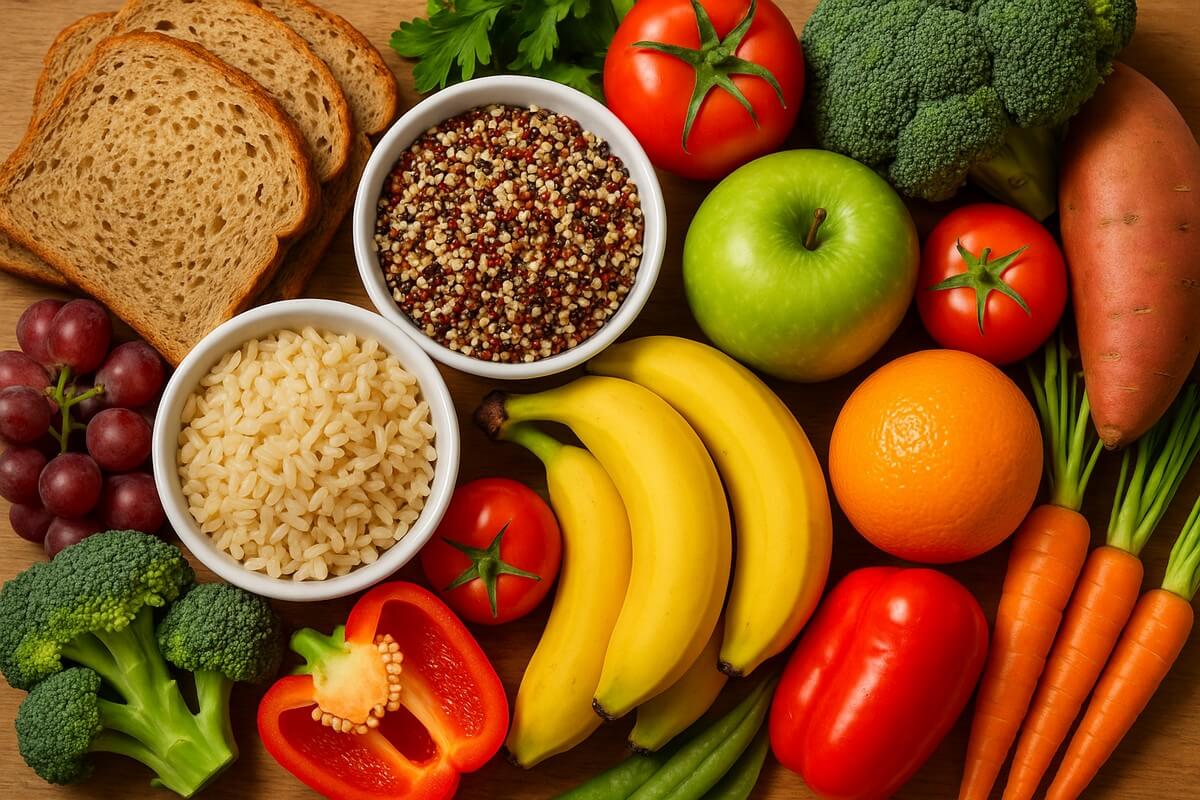
Carbohydrates often get a negative reputation, but not all carbs are the same. Complex carbohydrates found in whole grains, fruits, and vegetables are vital for fueling your body. They’re also packed with fiber, which supports digestion and helps you feel satisfied for longer.
Completely cutting out carbs can result in nutrient shortages and leave you feeling drained. Instead of eliminating carbs, aim to select high-quality options and watch your portion sizes. Remember, moderation is essential!
Weight Loss Myth №3: Fat-Free Doesn’t Always Mean Healthy
As you stroll through the grocery store, you’ll notice a plethora of items boasting “fat-free” or “low-fat” labels. It can be tempting to load your cart with these products, thinking they are the healthier choice. However, just because something is fat-free doesn’t guarantee it’s good for you.
To make up for the missing fat, manufacturers frequently add extra sugar, salt, or artificial ingredients to improve taste. These additions can be harmful to your health and may even lead to weight gain. It’s crucial to examine nutrition labels closely and prioritize whole, unprocessed foods that contain healthy fats, such as avocados, nuts, and olive oil.
Explore Top Weight Loss Meals for Men to Shed Pounds.
Weight Loss Myth №4: Not All Calories Are Created Equal
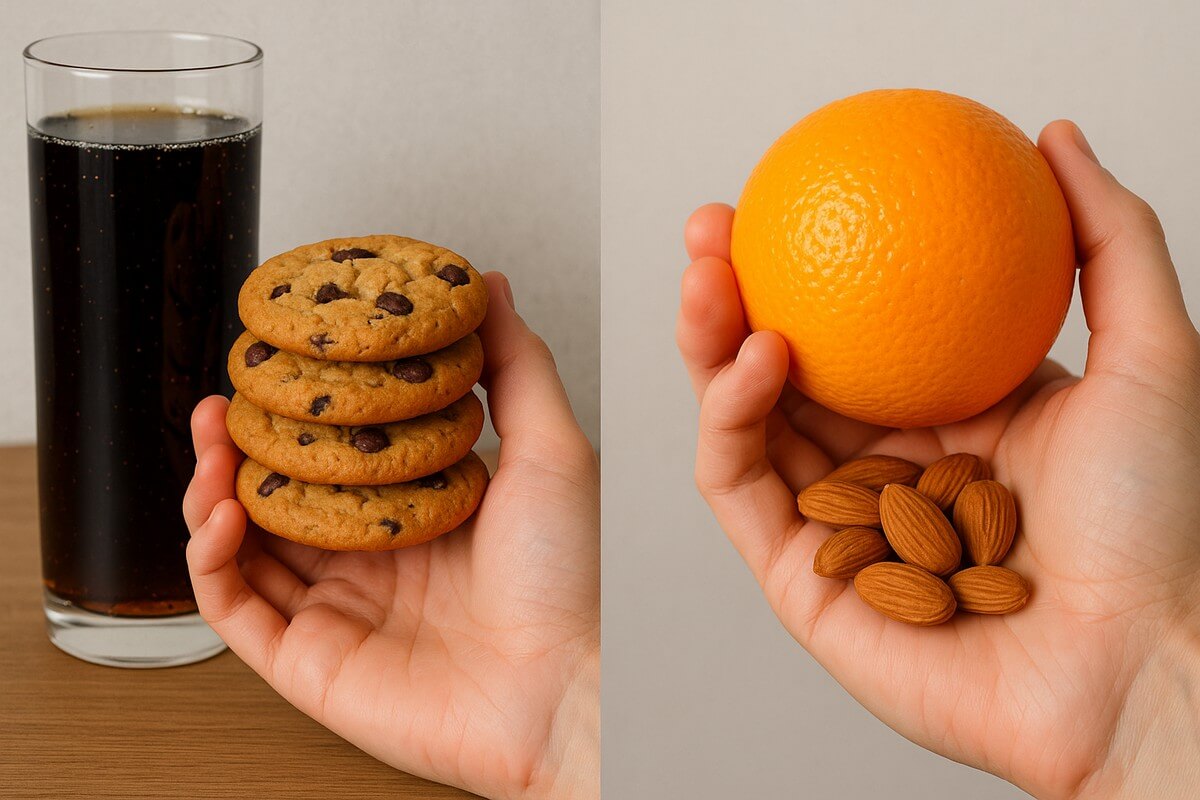
Calories are a measure of energy, but they don’t all affect your body in the same way. For instance, consuming 100 calories from a sugary drink is vastly different from getting the same amount from a handful of almonds. Whole foods like fruits, vegetables, lean proteins, and whole grains offer vital nutrients and help you feel full.
On the other hand, processed foods that are high in sugar and unhealthy fats can cause blood sugar spikes and increased hunger.The significance of quality in calories is equally as crucial as the quantity itself. Focus on nutrient-rich foods to nourish your body effectively.
Weight Loss Myth №5: Spot-Reducing Fat
Many of us have specific areas where we wish we could shed some fat, whether it’s the belly, thighs, or arms. The belief that you can lose fat from a particular spot by exercising that area is a common misconception. While strength training can help build muscle in targeted regions, fat loss happens throughout the entire body.
To effectively reduce overall body fat, engage in regular cardiovascular workouts and full-body strength training, along with a balanced diet. Remember, patience and consistency are essential; there are no shortcuts to targeted fat loss.
Weight Loss Myth №:6: Eating Late at Night Leads to Weight Gain
You may have heard that eating after a certain hour, like 8 PM, can cause weight gain. However, the reality is that your body doesn’t have a built-in clock that triggers fat storage at night. Weight gain happens when you take in more calories than you expend over time, no matter when those calories are consumed.
That said, late-night eating can sometimes result in overeating, particularly if it’s done absentmindedly while watching TV or out of boredom rather than true hunger. If you find yourself hungry at night, choose a light, healthy snack to curb your appetite without piling on the calories.
Weight Loss Myth №7: Supplements Can Substitute Meals

In today’s fast-paced lifestyle, meal replacement shakes and supplements may appear to be an easy solution for weight loss. While they can be beneficial in certain circumstances, depending on them entirely is not the best approach.
Whole foods offer a diverse array of nutrients, fiber, and phytochemicals that supplements simply cannot match. Additionally, the act of chewing is crucial for digestion and can enhance feelings of fullness. While supplements can help address nutritional deficiencies, they should not take the place of the rich variety of nutrients found in a well-rounded diet.
Weight Loss Myth №8: Crash Diets Are Long-Term Solutions
Crash diets often promise rapid results by drastically cutting calories or removing entire food groups. Although you might experience quick weight loss, much of it is likely to be water weight and muscle rather than fat. These diets are not sustainable and can result in nutrient shortages, fatigue, and a slower metabolism.
When you return to your regular eating habits, the weight often returns and sometimes even more than before. A more gradual approach to weight loss, emphasizing healthy eating patterns and consistent physical activity, is a more effective and sustainable strategy over time.
Weight Loss Myth №9: Exercise Alone Is Enough
Engaging in regular exercise is crucial for maintaining good health, as it helps you burn calories, build muscle, and enhance your metabolism. However, relying solely on exercise won’t compensate for a poor diet. For example, a 30-minute run may burn approximately 300 calories, but indulging in a high-calorie snack or drink can quickly negate that effort.
The most effective weight loss occurs when you combine consistent physical activity with a nutritious diet. By focusing on both elements, you create a powerful synergy that improves your results and supports your overall health.
Weight Loss Myth №10: Drinking Water Flushes Out Fat
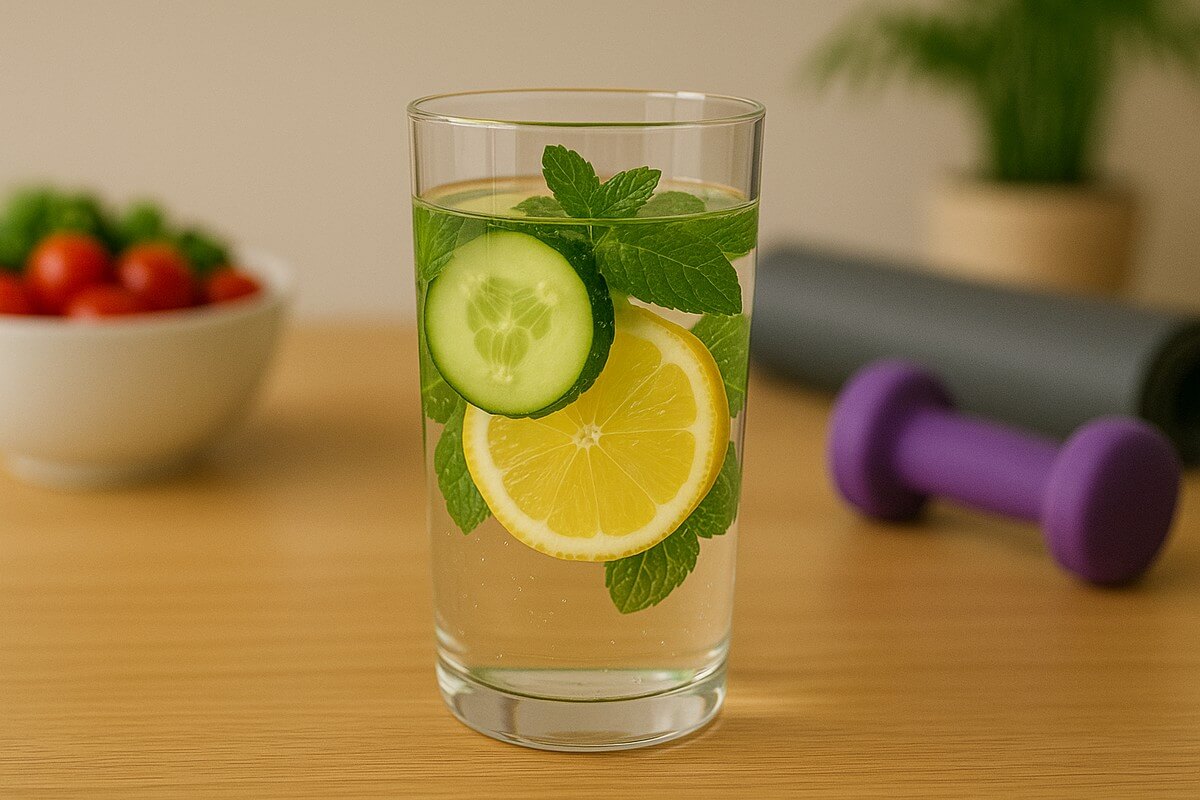
Staying well-hydrated is vital for various bodily functions, such as digestion and regulating body temperature. While drinking water can help you feel satiated and may assist in weight loss by curbing overeating, it doesn’t directly eliminate fat.
Fat loss happens when your body taps into stored fat for energy, which is usually accomplished by maintaining a caloric deficit through diet and exercise. While water plays a supportive role in this process, it’s not a miracle solution. Prioritize proper hydration as part of a well-rounded weight loss plan.
Weight Loss Myth №11: Snacking Is Always Bad
Snacking often gets a bad rap, but it can actually be beneficial for your weight loss efforts. Healthy snacks can help manage hunger, reduce the likelihood of overeating during meals, and provide a quick energy boost. The secret lies in selecting nutrient-rich snacks like fresh fruits, veggies with hummus, a small handful of nuts, or yogurt.
Steer clear of snacks that are high in sugar, salt, and unhealthy fats, such as chips, candy, and pastries. By tuning into your body’s hunger signals and planning your snacks wisely, you can incorporate them into a healthy diet effectively.
Weight Loss Myth №12: Not All Smoothies Are Created Equal
Smoothies can be a great way to incorporate fruits, vegetables, and other healthy ingredients into your diet. However, it’s important to remember that not every smoothie is a healthy choice. Many store-bought smoothies are loaded with added sugars, syrups, and high-calorie components that can transform a nutritious drink into a calorie-laden treat.
Even when making smoothies at home, it’s easy to go overboard with ingredients like sweetened yogurt, honey, or fruit juices. To ensure your smoothies remain healthy, prioritize whole fruits, vegetables, and unsweetened liquids, and think about adding protein sources such as Greek yogurt or protein powder.
Weight Loss Myth №13: More Sweat Doesn’t Always Mean More Fat Loss
Many people believe that sweating more during a workout means they are burning more fat. However, sweating is simply your body’s way of regulating temperature and doesn’t directly indicate the effectiveness of your exercise.
Various factors, including the environment and individual body types, influence how much you sweat. You can burn plenty of calories without excessive sweating, such as during a brisk walk or weight training. Rather than measuring your workout success by how much you sweat, pay attention to your heart rate, the effort you put in, and your overall consistency.
Weight Loss Myth №14: Detox Diets Aren’t Necessary for Cleansing
Detox diets often promise to eliminate toxins from your body through extreme fasting, juicing, or specific food choices. While the concept of starting fresh is tempting, it’s essential to recognize that your body already has a highly effective detox system in place: your liver and kidneys.
These organs naturally filter out waste and toxins without the need for special diets. Extreme detox plans can lead to nutrient deficiencies and side effects like fatigue, dizziness, and digestive problems. A well-rounded diet filled with whole foods is a much better way to support your body’s natural detoxification processes.
Weight Loss Myth №15: Healthy Eating Is Too Expensive
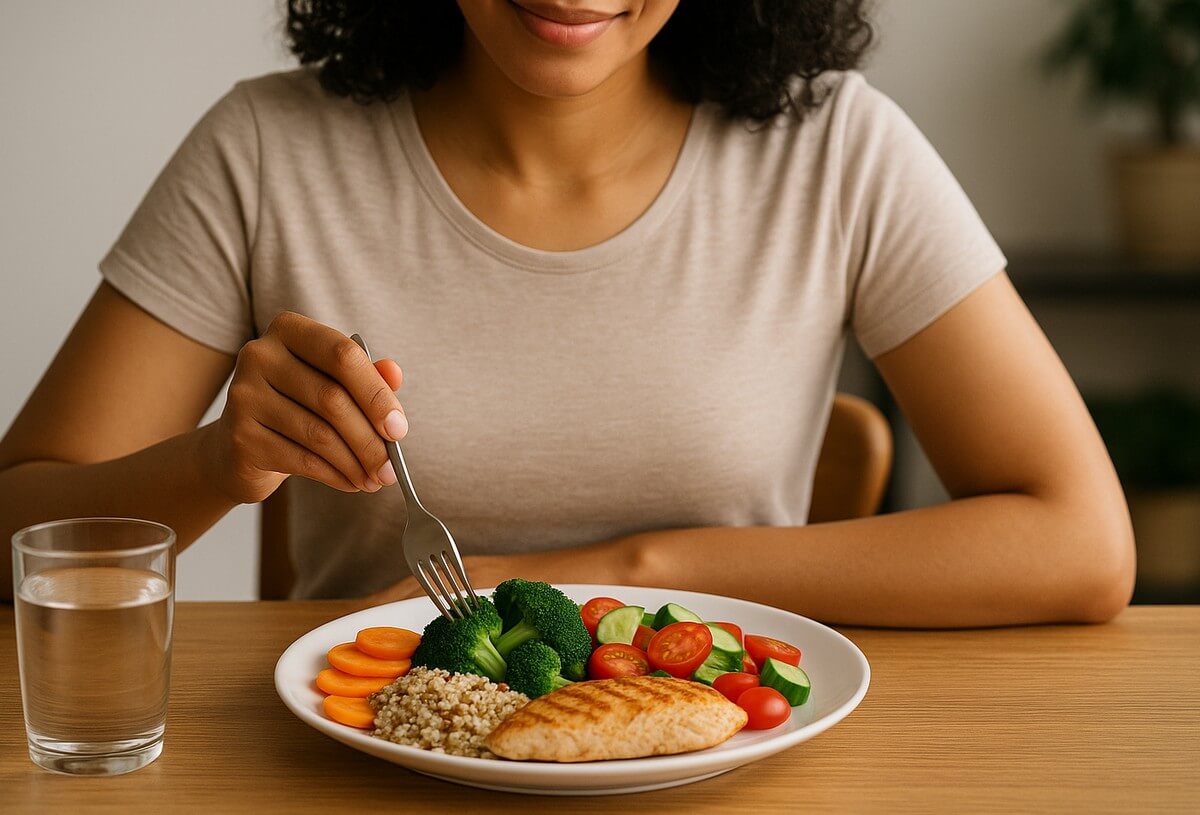
Many people believe that eating healthy is too expensive, which can discourage them from choosing nutritious foods. While some health-focused items and organic options may come with a higher price tag, there are numerous budget-friendly alternatives available.
Opting for seasonal fruits and vegetables, buying whole grains and legumes in bulk, and planning your meals can help keep costs down. Additionally, frozen fruits and vegetables are often just as nutritious and can be more affordable than their fresh counterparts. Cooking at home instead of dining out not only saves money but also gives you control over the ingredients and portion sizes.
Weight Loss Myth №16: Medications Are a ‘Magic’ Fix
With all the buzz about weight loss medications, it’s easy to believe a new weight loss myth: that they are a ‘magic bullet’ for shedding pounds. Have you wondered if they are an effortless shortcut to weight loss? Let’s look at the facts.
In reality, these medications are powerful tools, not magic wands. They work by helping to control your appetite, making you feel full sooner and for longer. But, they are meant to work with healthy habits, not replace them. In fact, doctors recommend combining them with a balanced diet and regular exercise for the best results. Without these healthy changes, the medications might not work as well, and you could even face more side effects like nausea.
It’s also important to know that these are not a quick, one-time fix. For many people, the weight can return if they stop taking the medication without building lasting healthy habits. So, thinking of these drugs as an effortless solution is one of the most common modern myths about weight loss. The key is to see them as a helping hand on your journey to a healthier lifestyle, not the entire solution by itself.
The Easiest Way for a Man to Lose Weight Fast
FAQs
Q: Is it harmful to consume carbs at night?
Not at all! The timing of when you eat carbs is less crucial than the overall amount and quality. Enjoying complex carbs in moderation during the evening won’t hinder your weight loss journey. Aim for whole grains and keep an eye on portion sizes to ensure a balanced diet.
Q: Can I shed pounds without working out?
While your diet is key to losing weight, adding exercise can boost your results and improve your overall health. Being active helps burn calories, build muscle, and enhance heart health. The best approach is to combine a healthy diet with regular physical activity.
Q: Are fat-free foods better for losing weight?
Not always. Fat-free items can often contain higher levels of sugar and calories to make up for the lack of fat. It’s essential to check labels and prioritize whole foods whenever you can. Including healthy fats in your meals can help you feel full and aid in nutrient absorption.
Q: Do I need to detox to kickstart my weight loss?
No, your body is quite capable of detoxifying itself through the liver and kidneys. Extreme detox diets are unnecessary and can even be harmful. A well-rounded diet filled with fruits, vegetables, whole grains, and lean proteins will support your body’s natural detox processes.
Q: Is snacking between meals a bad idea?
Not if you choose wisely! Nutritious snacks can assist in controlling appetite and reducing the likelihood of excessive consumption during primary meals. Go for nutritious choices like fruits, nuts, or yogurt. Be mindful of portion sizes and tune in to your body’s hunger signals to make snacking a positive part of your eating habits.
Conclusion
In conclusion, navigating weight loss can seem overwhelming, but it doesn’t have to be. By clearing up these common myths about weight loss, you now have the tools to make better choices on your path to improved health. Keep in mind that sustainable weight loss involves creating a balanced lifestyle that incorporates healthy eating, regular exercise, and being attuned to your body’s signals. There isn’t a universal answer. Embrace your journey, be patient, and discover what suits you best.